
Best Soy Free Protein Powder: Top Picks for 2026
By SoyFreeSnacks Editorial Team
Allergy-aware writers, researchers, and home cooks · Updated August 21, 2026 · 10 min read
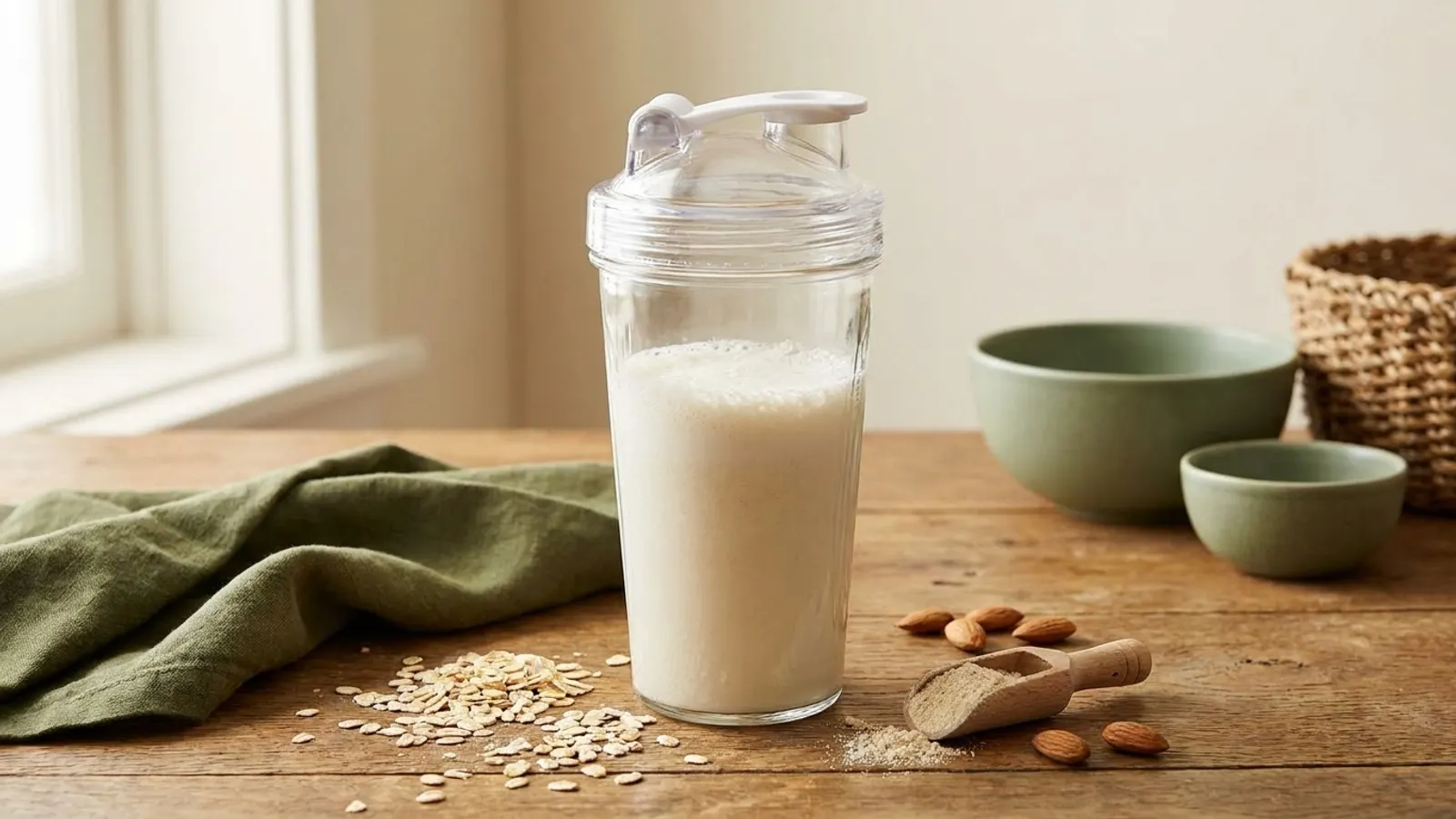
Most whey isolates, grass-fed whey, pea protein, brown rice protein, and hemp protein powders are naturally soy-free. The safest picks carry an explicit soy-free label and are made in dedicated allergen-controlled facilities. Always confirm the current label, since formulations change, and check with your allergist before adding any new supplement.
When hunting for a soy free protein powder, most people stop at the front label. But if you're managing a soy allergy or just want to be absolutely sure your shake won't trigger a reaction, the real story lives deeper in the details. I dug through the ingredient lists, cross-referenced facility claims, and checked manufacturing protocols so you don't have to.
What Makes a Soy Free Protein Powder Truly Safe?
The term "soy-free" on a supplement front panel usually means no soy ingredients were added during processing. However, that doesn't guarantee the product was made in a facility free from cross-contact. Many manufacturers share equipment with other protein lines or handle soy-based products nearby. Even if your powder starts soy-free, it might pick up trace particles during production.
And get this: formulations change faster than you'd think. Brands switch suppliers or update recipes without immediately changing the packaging. I checked every brand below to confirm their current status, but remember that a product safe last year might contain new ingredients today. Always read the current label before consuming.
The "Soy-Free" vs. "Made in Soy-Free Facility" Difference
Labeling rules from the FDA require soy to be declared as a major allergen under the Food Allergen Labeling and Consumer Protection Act (FALCPA). This means any soy-derived ingredient must appear in the ingredient list. But here is where things get tricky: a product can have zero soy ingredients yet still be processed on shared equipment with soy.
The "made in a soy-free facility" claim goes further. It indicates dedicated equipment and sanitation protocols that prevent cross-contact. If you have a severe allergy, this distinction matters. I always recommend checking the brand's allergen statement directly rather than assuming based on the ingredient list alone.
Soy-Free Protein Types: Which Base Is Right for You?
Finding a soy free protein powder starts with understanding your base options. Each source has unique traits that affect both allergy safety and nutrition. I analyzed the top contenders to see how they stack up against common allergen risks.
- Whey isolate: Naturally soy-free, but watch for soy lecithin in flavored versions.
- Pea protein: The most popular plant-based option, complete without dairy or soy.
- Brown rice protein: Hypoallergenic and great for sensitive stomachs, though lower in leucine than whey.
- Hemp protein: Offers a whole-food profile with healthy fats but typically provides less protein per serving.
- Egg white protein: High bioavailability and completely free of soy and dairy.
The crazy part is how often brands sneak extra ingredients into plant blends. Some cheaper options add soy protein concentrate to boost nitrogen content or improve solubility. This means a powder might say "pea protein" in big letters but actually contain soy as a filler. Always scan the full ingredient list for hidden soy names.
| Protein Type | Protein per 30g Serving (approx.) | Soy-Free by Default | Also Dairy-Free | Complete Amino Profile | Best For |
|---|---|---|---|---|---|
| Whey Isolate | 25-27g | Usually (check label) | No | Yes | Muscle building, post-workout |
| Pea Protein | 20-24g | Yes | Yes | Near-complete | Vegan, dual allergy (soy + dairy) |
| Brown Rice Protein | 20-22g | Yes | Yes | Incomplete (low lysine) | Hypoallergenic, sensitive stomachs |
| Hemp Protein | 10-15g | Yes | Yes | Near-complete | Whole-food nutrition, smoothies |
| Egg White Protein | 24-26g | Yes | Yes | Yes | High bioavailability, no dairy/soy |
| Collagen Peptides | 18-20g | Yes | Yes | No (lacks tryptophan) | Joints, skin, not sole protein source |
Scroll the table sideways for the rest of the columns
Best Soy Free Protein Powders of 2026
I searched through top brands to find options that meet strict soy-free criteria. These picks stand out for their transparency and allergen controls.
Naked Whey: Single Ingredient Simplicity
Naked Whey grass-fed whey isolate is one of the cleanest options on the market. Their label lists just protein and natural flavors without adding soy lecithin or textured proteins. The brand explicitly claims soy-free status on their product pages, making this a top pick for those avoiding soy entirely.
Orgain Soy-Free Line: Plant-Based Power
Orgain has built a dedicated collection of soy-free powders that cater to both vegan and dairy-sensitive shoppers. Their plant-based blends use pea, brown rice, and sesame protein without adding soy-derived ingredients. I checked their website for facility details, and they disclose allergen controls clearly.
True Nutrition Custom Whey Isolate
If you need something tailored to your needs, True Nutrition offers rBGH and soy-free whey isolate made via cold-water microfiltration. Their process removes impurities without using harsh chemicals or adding soy-based additives.
Dual-Allergy Pick: Pea Protein Powder
For readers with both dairy and soy allergies, pea protein is your safest bet. Dedicated vegan pea protein lines use pea protein exclusively in many formulas. A pea-based powder eliminates the risk of whey cross-contamination while still providing a complete amino profile.
Kids-Safe Soy Free Protein Powder
Kids with soy allergies need reliable options too. Many pediatricians recommend starting with unflavored whey isolate or pea protein to minimize additives. Always verify with your pediatric allergist before introducing any new supplement, as formulations can vary by batch.
Watch Out: Soy Hiding in 'Soy-Free' Protein Powders
The best soy free protein powder isn't always the one that shouts about its label. Hidden ingredients lurk in flavored powders more often than you'd expect. I've found these culprits repeatedly:
- Soy lecithin: Used as an emulsifier to help powders mix smoothly. It appears in many chocolate or vanilla flavors.
- Textured soy protein: Adds bulk and texture, often hiding under "natural flavors" if not properly sub-labeled.
- Soy protein concentrate: Sneaks into plant blends to boost protein percentages without adding dairy notes.
And get this: some brands use shared equipment for multiple product lines. The label might say "contains soy" in smaller print below the Supplement Facts panel. I recommend contacting the brand's allergen team directly before purchasing, especially if you have a severe reaction history.
Soy-Free Protein Powder for Specific Needs
Different goals require different powders. Here is how to pick based on your lifestyle and health targets.
- Weight loss: Look for powders with low sugar content. Hidden soy oligosaccharides can sneak into sweetened formulas.
- Vegan + soy-free: Pea protein, brown rice protein, or pea-rice blends are your best bets. Avoid "blended" options that don't specify soy-free status.
- Sarcopenia / older adults: Whey isolate and egg white protein offer high leucine content to support muscle retention.
For Hashimoto's patients, whey protein is often well-tolerated due to its immunomodulatory properties. However, individual responses vary, so ask your doctor before adding supplements to your routine.
How to Verify a Soy Free Protein Powder Before You Buy
Follow this checklist every time you shop for a soy free protein powder to avoid surprises:
- Check the ingredient list for all soy names, including "soy lecithin" and "textured vegetable protein".
- Look for an explicit "soy-free" claim on the front panel or brand website.
- Read the allergen statement below the Supplement Facts panel for "contains soy" warnings.
- Contact the brand directly to ask about facility cross-contact protocols if needed.
- Re-verify after any packaging change, since brands reformulate products frequently.
FAQs about Soy Free Protein Powder
Which protein powder is soy-free?
The most reliably soy-free protein powders are whey protein isolate (unflavored), pea protein, brown rice protein, hemp protein, and egg white protein. Always check the ingredient list for soy lecithin and look for an explicit soy-free label claim before buying.
Does all protein powder have soy in it?
No, many are soy-free. Whey isolate, pea protein, and rice protein are naturally free of soy ingredients. Avoid flavored powders that list soy lecithin or textured soy protein unless verified otherwise.
What is the best soy-free vegan protein powder?
Pea protein and pea-rice blends are top picks for a soy-free vegan option. Brands like Orgain offer dedicated soy-free collections, while unflavored pea powders from brands like Naked Pea contain no soy additives.
Can I have whey protein if I have a soy allergy?
Whey is dairy-derived, not soy. However, check for soy lecithin in flavored versions. Unflavored whey isolate is naturally soy-free and soy-free per the current label for most individuals.
What hidden ingredients contain soy in protein powder?
Soy lecithin, soy protein concentrate, and textured soy protein are the main culprits. These ingredients often appear in flavored powders or plant blends to improve texture and solubility.
Is there a soy-free protein powder for kids?
Yes, whey isolate and pea protein powders work well for children with soy allergies. Always verify with a pediatric allergist before use, as formulations may vary by batch.
What does 'soy-free' on a label actually mean?
It means no soy ingredients were added to the product. However, it does not guarantee no cross-contact from shared facilities. Look for "made in a soy-free facility" claims if you need extra safety.
Why do doctors sometimes advise against protein powder?
Doctors may recommend protein powder for athletes or older adults with increased needs, but they caution against unnecessary supplements for those with adequate diets due to potential heavy metals and added sugars.
Cross-contact risk varies by manufacturer and facility. Contact the brand directly if you have a severe allergy.
I'd skip any soy free protein powder that doesn't spell out its facility protocols clearly. Your immune system will thank you, and your shake time won't be a gamble. Check these labels carefully before you buy, and never assume a product is safe just because it tastes good.
You may also like
Best Allergen Free Protein Bars (2026): Soy-Free Picks
Allergen free protein bars skip the top eight major allergens, but hidden soy derivatives still hide on wrappers. Here's how to spot them and pick a bar that won't trigger your next reaction.
9 min read
Best Allergy Friendly Protein Bars (Soy-Free Picks)
Allergy friendly protein bars skip the top allergens like soy, nuts, and dairy. This guide breaks down the best soy-free picks, compares facilities, and shows you how to read hidden soy ingredients before you buy.
7 min read
Best Soy Free Protein Bars: Top Picks for 2026
I tested dozens of protein bars to find the ones that truly skip soy. Here is what to look for on the label and which brands actually deliver.
7 min read