
Best Allergy Friendly Protein Bars (Soy-Free Picks)
By SoyFreeSnacks Editorial Team
Allergy-aware writers, researchers, and home cooks · Updated September 8, 2026 · 7 min read

Allergy friendly protein bars are bars formulated without one or more of the top 9 allergens, milk, eggs, fish, shellfish, tree nuts, peanuts, wheat, soy, and sesame.
What Makes a Protein Bar Truly Allergy Friendly?
The FDA’s FASTER Act officially added sesame to the required label list effective January 1, 2023. This shifted the goalposts for allergy shoppers. Now manufacturers must declare sesame right alongside soy, peanuts, and tree nuts.
Most roundup lists focus heavily on nut-free bars. But if you're dodging soy, your options shrink fast. The current market shows plenty of nut-free bars hiding soy lecithin or soy protein isolate in binders. I'd skip those if you're strictly avoiding soy.
The real differentiator is the facility. A bar can use soy-free ingredients but still be processed on shared equipment with soy. For severe allergies, that cross-contact risk matters most. I'd look for brands with dedicated facilities rather than just checking the ingredient list.
Plant-based protein bars often trip people up. "Plant-based" sounds safe until you see "soy protein isolate" or "textured vegetable protein" (TVP) listed right after it. These ingredients add bulk and texture without dairy, but they're pure soy sources.
Allergy friendly protein bars typically deliver 10 to 12 grams of protein per bar using pea, seed, or legume bases. This approach avoids soy while still hitting your daily protein targets. You get the macros without the allergen overload.
Our Top Allergy Friendly Protein Bars for Soy-Free Eaters
The top contenders that pass my strict soy-free filter stand out because they confirm their status and operate clean facilities.
88 Acres: Seed-Based Power with Zero Allergens
This brand markets explicitly as top-9-allergen-free. That means no soy, sesame, or any other major allergen on the label. The bars use seeds like pumpkin and sunflower to deliver 12 grams of protein per bar.
The soft-baked texture comes from seed butter rather than soy lecithin. Parents love this brand because it holds up well in school lockers without triggering a reaction.
Alio: Vegan Protein Bars with Top-9-Free Status
Alio positions itself as a top-9-allergen-free protein bar. The company uses a dedicated production line to ensure no cross-contact occurs during manufacturing.
The cookie dough flavor is popular among kids who want something sweet without the dairy or soy. You get clean vegan protein and non-GMO ingredients in every bite.
No Nuts!: Dedicated Facility for Strict Diets
No Nuts! operates a 100% dedicated nut-free facility with gluten-free certification. The brand avoids soy by using pea protein and sunflower seed butter as the primary bases.
Each bar delivers 12 grams of plant-based protein. The facility protocols ensure that even tiny traces don't sneak into the final product.
Amrita Foods: Grain-Free Top-11 Facility
Amrita Foods leverages a top-11-allergen-free facility for its grain-free formulations. This covers sesame and soy along with other potential triggers.
The bars use whole food ingredients like quinoa and amaranth to create protein content around 8 grams per bar. Low added sugar keeps these bars kid-friendly too.
Blue Unicorn: Dedicated Nut-Free Processing
Blue Unicorn guarantees no tree nuts or peanuts via dedicated processing equipment. I recommend verifying the current label for soy status since formulations can shift over time.
The bars use a mix of pea protein and sunflower seed butter to create a high-protein snack that avoids common allergens.
Allergy Friendly Protein Bar Comparison Table
| Brand | Protein per Bar | Soy-Free | Nut-Free | Gluten-Free | Dairy-Free | Dedicated Facility | Where to buy |
|---|---|---|---|---|---|---|---|
| 88 Acres | 12g | Yes | Yes | Yes | Yes | Yes (top-9-free) | Amazonopen_in_new |
| Alio | ~10g | Yes | Yes | Yes | Yes | Yes (top-9-free line) | |
| No Nuts! | 12g | Yes | Yes | Yes | Yes | Yes (dedicated nut-free) | |
| Amrita Foods | Varies | Yes | Yes | Yes | Yes | Yes (top-11-allergen-free) | |
| Blue Unicorn | Varies | Verify label | Yes | Verify | Verify | Yes (nut-free dedicated) | |
| ZEGO Foods | Varies | Yes | Yes | Yes | Yes | Yes (dedicated facility) |
Scroll the table sideways for the rest of the columns
This data reflects manufacturer claims as of August 2026. Always verify the current label before purchasing.
Allergens and Facility Claims Explained
- Dedicated facilities use separate equipment so no cross-contact occurs between allergen batches.
- Top-9-free labels mean the product contains none of these ingredients in the formula itself.
- Dairy-free means no milk products are present, but some bars still contain soy lecithin from processing.
How to Read a Protein Bar Label for Hidden Soy
The ingredient list tells you exactly what went into the bar. Look for these hidden soy names that appear frequently in protein snacks:
- Soy lecithin: A common emulsifier used to keep ingredients mixed.
- Textured vegetable protein (TVP): Often derived from soy unless specified otherwise.
- Hydrolyzed soy protein: Adds umami flavor and boosts protein content.
- Miso: Fermented soy paste that hides in savory bars.
- Edamame: Young soybeans often chopped into snack mixes.
The "may contain" warning is voluntary, so it varies wildly between brands. Some companies use shared facilities with rigorous cleaning protocols between batches. Others process everything on the same line without switching equipment.
Calling the manufacturer directly remains the most reliable method for confirming facility protocols. The phone number on packaging connects you straight to their quality team.
Allergy Friendly Bars for Kids and School Lunches
Schools across the country ban peanuts and tree nuts from classrooms. But soy is often overlooked until a child brings in a bar containing soy lecithin during morning snack time.
I recommend looking for top-9-free certification when buying bars for kids with multiple allergies. Brands like 88 Acres and Alio market explicitly as school-safe options because they avoid the entire allergen list.
Portion size matters too. Most protein bars deliver enough sustenance to last through a long afternoon.
Sugar content should stay under 5 grams per bar when possible. High sugar drives behavior crashes and makes kids crave more sweets later in the day.
Always check your school's specific allergen policy before packing bars. Some districts require full ingredient disclosure forms from manufacturers.
Tips for Parents Managing Soy Allergies
- Keep a list of safe brands saved on your phone so you can scan packaging quickly at the store.
- Purchase directly from manufacturer websites when possible to ensure fresh batches and accurate facility data.
- Avoid bars labeled "natural flavors" if soy lecithin is not explicitly declared nearby.
FAQs
Are all plant-based protein bars soy-free?
No, many plant-based bars use soy protein isolate or soy lecithin as primary ingredients. Always check the ingredient list rather than assuming based on marketing claims.
What does "top 9 allergen-free" mean on a protein bar?
It means the bar is free from all nine FDA-recognized major allergens, including soy and sesame. The product contains none of these ingredients in its formula.
Which protein bars are safe for a soy allergy?
88 Acres, Alio, and Amrita Foods stand out as top choices because they maintain dedicated facilities and avoid soy throughout their formulas. Always verify the current label before purchasing.
What are hidden sources of soy in protein bars?
Common hidden soy ingredients include soy lecithin, textured vegetable protein (TVP), miso paste, edamame, and hydrolyzed soy protein used for flavor or texture.
Are there protein bars safe for kids with multiple food allergies?
Yes. Brands like 88 Acres and No Nuts! market explicitly as school-safe options because they eliminate the top allergens including soy, nuts, and dairy from their ingredients.
What is the difference between "soy-free" and "made in a soy-free facility"?
Soy-free means no soy ingredients are present. A soy-free facility adds extra safety by ensuring no cross-contact occurs from shared equipment processing soy batches.
Do allergy friendly protein bars have enough protein?
Most top picks deliver 10 to 12 grams of protein per bar using pea, seed, or legume bases. This amount provides substantial sustenance without filling you up too quickly.
When did sesame become a required allergen label in the US?
Sesame became the ninth required allergen effective January 1, 2023 under the FASTER Act. Manufacturers must now declare sesame on all packaging.
Can I trust "plant-based" protein bars for soy allergies?
Plant-based is a marketing term rather than an allergen designation. Some plant-based bars use pea or sunflower protein, while others rely heavily on soy derivatives.
This article is for informational purposes only and is not medical advice. If you have a soy allergy, work with an allergist to determine safe brands for your specific sensitivity.
Bottom Line
The best allergy friendly protein bars for soy-free eaters include 88 Acres (top-9-allergen-free, 12g protein, seed-based), Alio (top-9-allergen-free, vegan protein), and No Nuts! (dedicated nut-free facility, 12g protein).
I'd skip any bar that lists soy lecithin or textured vegetable protein unless the brand specifies a different source. Formulations change regularly, so always read the current label before consuming.
Cross-contact risk varies by manufacturer and facility. Contact the brand directly if you have a severe allergy.
You may also like

Best allergy friendly granola bars (Soy-Free Picks)
We tested dozens of snacks to find genuinely allergy friendly granola bars that skip hidden soy. Here is exactly what to look for on labels and why cross-contact matters.
8 min read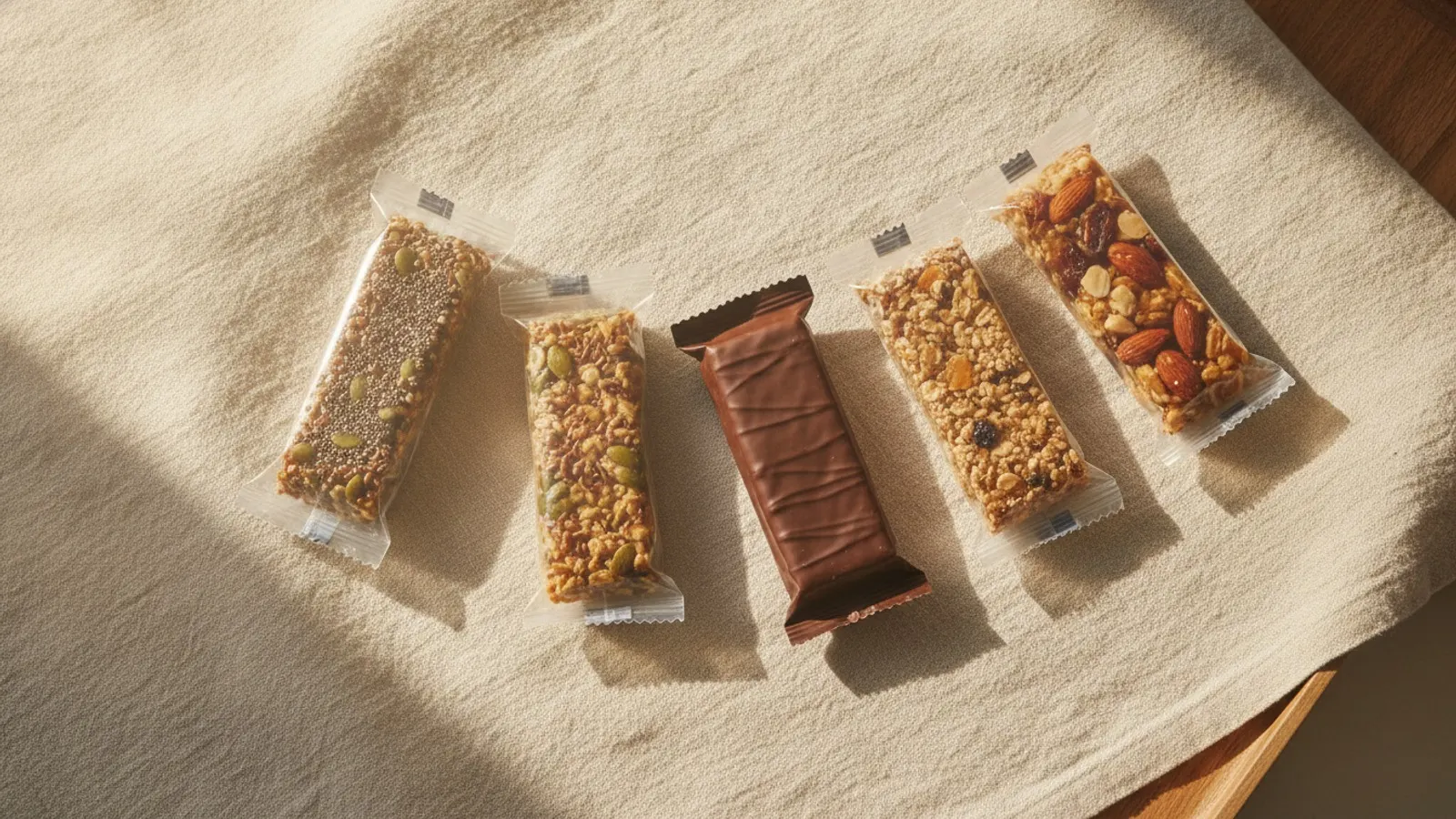
Best Allergen Free Protein Bars (2026): Soy-Free Picks
Allergen free protein bars skip the top eight major allergens, but hidden soy derivatives still hide on wrappers. Here's how to spot them and pick a bar that won't trigger your next reaction.
9 min read
Best Dairy and Soy Free Protein Bars (2026 Picks)
The best dairy and soy free protein bars include ALOHA, GoMacro, No Cow, Trubar, and 88 Acres. These skip whey and soy isolate for pea, rice, and seed proteins.
7 min read