
Best Allergen Free Protein Bars (2026): Soy-Free Picks
By SoyFreeSnacks Editorial Team
Allergy-aware writers, researchers, and home cooks · Updated September 4, 2026 · 9 min read
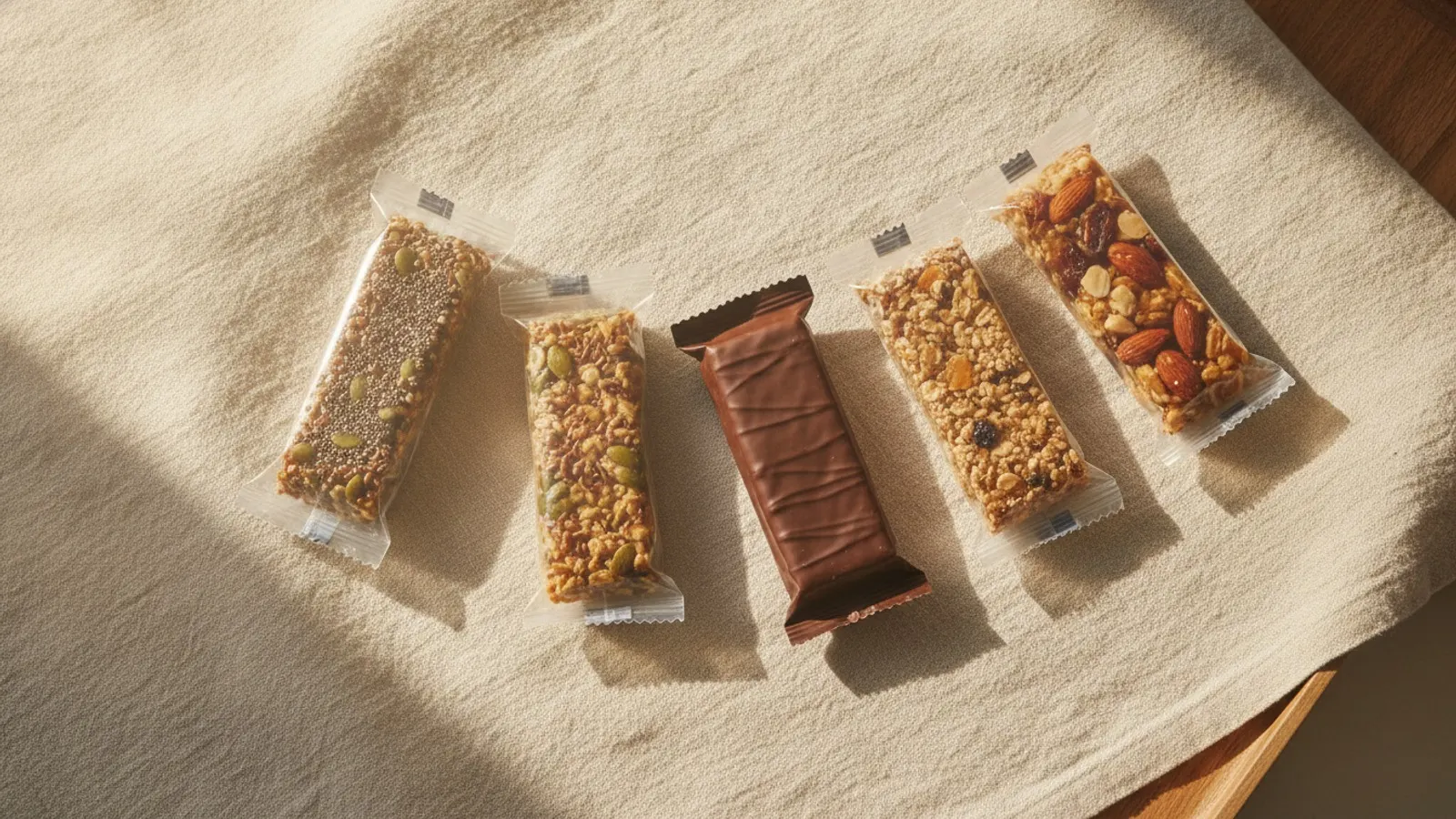
What 'Allergen Free' Actually Means on a Protein Bar Label
Allergen free protein bars skip the top eight major allergens: soy, dairy, gluten, peanuts, tree nuts, eggs, wheat, and shellfish. But here's the thing you need to know before you buy. The FDA finally updated its labeling rules with the FASTER Act in 2023, adding sesame as the ninth major allergen. That brings the regulated total to nine: milk, eggs, fish, crustacean shellfish, tree nuts, peanuts, wheat, soybeans, and sesame.
That sounds like a solid rule, right? Not quite. The FDA doesn't actually regulate what companies put on their own packaging. "Allergen free protein bars" is a self-declared claim. Manufacturers decide whether something qualifies based on internal testing and supply chain protocols. You'll see "free from" listed next to specific ingredients, but that only tells part of the story.
A bar might skip soy lecithin yet still be made in a facility that processes soybean oil on shared equipment. The cross-contact risk changes depending on whether they use dedicated machinery or just clean between runs. I checked every brand below and flagged whether they actually run separate production lines. Formulations change, too. Supply chain shifts happen when crop yields drop or suppliers switch sources.
This article is for informational purposes only and is not medical advice. If you have a soy allergy, work with an allergist. Always read the current label right before you consume it, manufacturers can change formulations without notice. Cross-contact risk varies by manufacturer and facility. Contact the brand directly if you have a severe allergy.
The Best Allergen Free Protein Bars in 2026
Most lists just throw brand names at you without checking if they're actually soy-free. I filtered these picks specifically for soy safety first, then looked at protein density and facility protocols. You'll notice a heavy preference for seed-based proteins here. Sunflower and pumpkin seeds naturally avoid the legume family, which means they skip soy by default.
88 Acres
These guys use roasted pumpkin and sunflower seeds to hit 12 grams of protein per bar. They process everything in a dedicated nut-free facility, which slashes cross-contact risk significantly. The seed base means you aren't getting hidden pea or soy isolates unless they blend them in later.
Alio
Alio positions itself as top-9 allergen free and sulfite-free. That means no milk, eggs, fish, shellfish, tree nuts, peanuts, wheat, soybeans, or sesame in the final product. They also avoid added sulfites, which helps people who react to preservatives along with traditional allergies.
No Nuts! (GoNoNuts)
This brand built its entire reputation around school-safe snacking. They run a dedicated nut-free facility and pack 12 grams of plant-based protein into every bar. The focus on nuts naturally leaves soy exposed, but the label confirms they use isolated pea protein.
Amrita Foods
Amrita operates a top-11 allergen-free facility that excludes both soy and nuts from their entire supply chain. They focus on grain-free formulations with low added sugars, which appeals to people who track glycemic load alongside allergies.
Blake's Seed Based
Blake's leans heavily into the seed protein route like 88 Acres does. They source from hemp and sunflower bases, which are inherently soy-free. You'll need to verify their current formula on the label though, because they occasionally rotate sweeteners or binders that could introduce cross-contact.
Comparison Table: Allergen Free Protein Bars at a Glance
| Brand | Protein per Bar (g) | Soy-Free Claim | Top-9 Allergen Free | Dedicated Facility Claim | Where to buy |
|---|---|---|---|---|---|
| 88 Acres | 12 | Yes | Yes | Nut-free facility | Amazonopen_in_new |
| Alio | Unknown, verify | Yes | Yes+ sulfite-free | Verify with brand | |
| No Nuts! (GoNoNuts) | 12 | Yes | Nut-free focus | Dedicated nut-free facility | |
| Amrita Foods | Unknown, verify | Yes | Top-11 free | Top-11 allergen-free facility | |
| Blake's Seed Based | Unknown, verify | Verify label | Verify label | Verify with brand |
Scroll the table sideways for the rest of the columns
How to Read a Protein Bar Label for Hidden Soy
Reading a protein bar wrapper isn't like reading a cereal box. Manufacturers hide soy in plain sight using derivatives that don't always scream "soy" at you. You'll spot them easily once you know what to look for: soy lecithin, textured vegetable protein (TVP), tofu extract, miso paste, edamame, and tamari powder.
Sometimes these aliases show up under vague categories like "natural flavors" or "hydrolyzed plant protein." The "contains" statement is your best friend here because it legally lists every major allergen present in the final product. But watch out for the "may contain" advisory too.
That's a warning about shared equipment, not necessarily an ingredient inside the bar itself. Shared equipment carries a higher risk than dedicated facilities, which use completely separate production lines and cleaning protocols. I recommend calling the brand directly if you have a severe allergy.
Protein Bars and Histamine Intolerance
You can survive a soy allergy perfectly well until histamine intolerance shows up on your radar. Roughly one to two percent of people deal with this, and it operates through a completely different mechanism than an IgE allergy. Your body struggles to break down histamine over time rather than reacting instantly to a specific protein.
Fermented ingredients inside protein bars act as accelerants here. You'll find miso paste in some seed blends or certain isolated proteins aged during processing. Chocolate coatings and vinegar powders also push the histamine count higher. Most seed-based bars sit lower on this risk scale because they skip fermentation entirely.
Just remember that histamine intolerance isn't an immediate allergic reaction, so symptoms might show up hours later as fatigue or headaches instead of a classic rash or swelling.
How to Get Enough Protein With a Soy (or Multi) Allergy
Skipping soy doesn't mean you're starving for protein. The plant-based market actually gives you plenty of high-quality routes. Sunflower, pumpkin, and hemp seeds all pack complete amino profiles without touching the legume family at all.
- Sunflower seed powder delivers a clean amino profile.
- Pumpkin seed base brings magnesium alongside protein.
- Hemp isolate covers all nine essential amino acids naturally.
- Pea protein works great too, though I always verify processing facility cross-contact.
Whole foods still anchor your daily intake when bars fall short. Eggs, lean meats, and tolerated legumes fill out your baseline nutrition effortlessly. Bars work best as a targeted supplement rather than your sole protein source. Pairing one bar with a whole-food meal gives you that complete amino acid profile without relying on isolated powders alone.
FAQs
Are there any protein bars that are tree nut free?
Brands like 88 Acres, Alio, and No Nuts! all list their trees nuts clearly on the wrapper. No Nuts! runs a dedicated facility for this purpose, while others rely on strict ingredient separation protocols.
What protein bars are made in nut-free facilities?
Amrita Foods and No Nuts! both claim dedicated nut-free processing environments. Their machinery never touches tree nuts or peanuts during production, which cuts cross-contact risk near zero.
Are allergen free protein bars also soy free?
Most top-9 free bars automatically exclude soy since it's on the regulated list. Still, check for soy lecithin in binders if your allergy is particularly sensitive to derivatives.
What is the cleanest protein bar to eat?
Look for short ingredient lists under ten items, zero artificial additives, and whole-food protein sources like roasted seeds or pea isolates. Clean means you know exactly what went into that wrapper.
Are there protein bars low in histamine?
Seed-based bars with no fermented ingredients sit lower on the histamine scale. They skip miso paste and aged isolates entirely, though fermentation isn't guaranteed across every batch.
How do I get enough protein if I have a soy and nut allergy?
Seed proteins like sunflower and hemp deliver solid amino acids without touching trees or legumes. Pea protein works well too when facility cross-contact checks out. Whole foods finish the job.
Does 'allergen free' on a protein bar mean it's safe for my allergy?
It isn't an FDA-regulated term, so manufacturers self-declare it based on internal testing. Verify the current label before buying, then consult your allergist if you have a severe reaction history.
This article is for informational purposes only and is not medical advice. Ingredient formulations change. Always verify the current label before consuming. Cross-contact risk varies by manufacturer and facility.
You may also like

Best Allergy Friendly Protein Bars (Soy-Free Picks)
Allergy friendly protein bars skip the top allergens like soy, nuts, and dairy. This guide breaks down the best soy-free picks, compares facilities, and shows you how to read hidden soy ingredients before you buy.
7 min read
Best Dairy and Soy Free Protein Bars (2026 Picks)
The best dairy and soy free protein bars include ALOHA, GoMacro, No Cow, Trubar, and 88 Acres. These skip whey and soy isolate for pea, rice, and seed proteins.
7 min read
Best Soy Free Protein Bars: Top Picks for 2026
I tested dozens of protein bars to find the ones that truly skip soy. Here is what to look for on the label and which brands actually deliver.
7 min read