
Best Soy Free Protein Bars: Top Picks for 2026
By SoyFreeSnacks Editorial Team
Allergy-aware writers, researchers, and home cooks · Updated June 4, 2026 · 7 min read
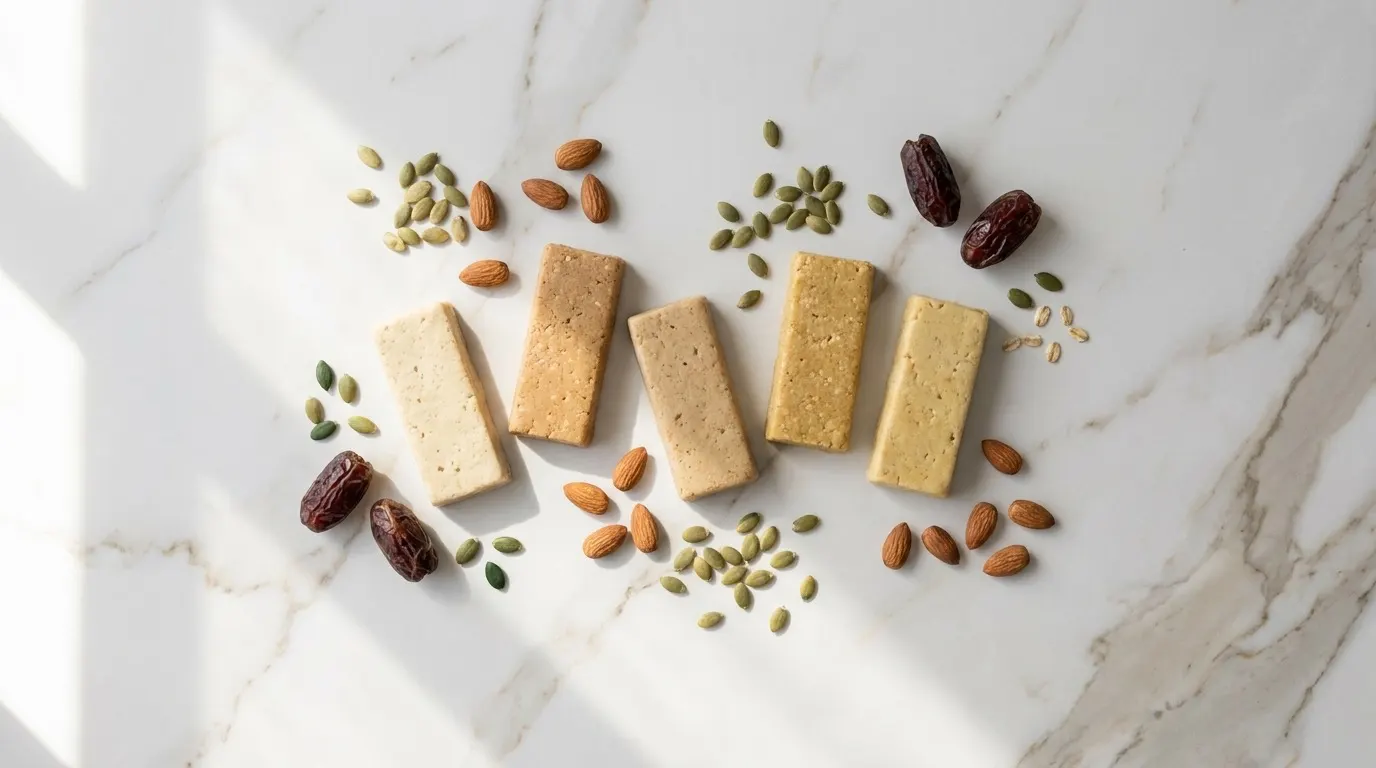
Several protein bars are made without soy, including options from No Cow, ALOHA, GoMacro, Amrita, RXBAR, and Larabar. These bars use protein sources like egg whites, pea protein, nuts, and seeds instead of soy. Always read the current label and contact the manufacturer if you have a severe soy allergy, since formulas change.
What Makes a Protein Bar Truly Soy Free
I don't know who needs to hear this, but most protein bars on the shelf are hiding soy somewhere in their ingredient list. Manufacturers love using vague terms like 'vegetable protein' without specifying what plant they used. You could grab what looks like a clean bar only to find textured vegetable protein or hydrolyzed vegetable protein sitting at the bottom of the list. The FDA requires brands to declare soy under the Food Allergen Labeling and Consumer Protection Act (FALCPA), but that rule only kicks in if soy is actually present as an intentional ingredient. If you just want the shortlist, see the 10 best soy-free protein bars.
And get this: some bars use soy lecithin as an emulsifier to keep everything from falling apart. Others pack soy protein isolate or soy crisps in for extra texture. A lot of people assume 'soy free' just means no whole soybeans, but processed soy derivatives sneak in way more often than you think. Soy lecithin is worth a specific callout here. It is a byproduct of soy processing, and while some people with mild soy sensitivity tolerate it, if you have a confirmed soy allergy you should avoid it. Do not let anyone tell you it is fine because it is 'highly refined.' Avoid it. Full stop. I always tell readers to scan the entire ingredient list for anything mentioning soy before tossing a bar in your cart.
Cross-contact is another headache that trips up even allergy-savvy shoppers. There is a real difference between 'made in a facility that also processes soy' and 'made on shared equipment with soy.' Shared equipment means the same physical machinery touched soy before your bar ran through it, which carries a meaningfully higher contamination risk for people with severe allergies. A dedicated facility with no soy on-site is the gold standard. Check the allergen statement below the ingredient list. It will usually say 'Contains' if soy is present as an ingredient, and it may note cross-contact risk if the manufacturer chooses to disclose it. The FDA does not require cross-contact disclosures, so silence on that point is not a green light. When in doubt, call the brand.
Best Soy Free Protein Bars Worth Buying
| Brand / Bar | Protein Source | Protein per Bar | Also Free Of | Allergen Note | Where to buy |
|---|---|---|---|---|---|
| No Cow | Pea + brown rice protein | ~20g | Dairy, gluten | Verify current label | Amazonopen_in_new |
| ALOHA | Pea + pumpkin seed protein | ~14g | Dairy, gluten, artificial sweeteners | Verify current label | |
| GoMacro | Pea protein, nuts, seeds | ~10-12g | Dairy, gluten (certified) | Verify current label | Amazonopen_in_new |
| RXBAR | Egg whites, nuts | ~12g | Gluten (most flavors) | Soy-free per current label; verify | Amazonopen_in_new |
| Larabar | Nuts, dates | ~4-6g | Dairy, gluten (most) | Naturally soy-free; verify current label | Amazonopen_in_new |
| Amrita | Sunflower seeds, pea protein | ~10g | Dairy, gluten, nuts (some) | Allergy-focused brand; verify current label | Amazonopen_in_new |
Scroll the table sideways for the rest of the columns
I checked the numbers, and honestly, finding clean soy free protein bars took some serious detective work. You want to skip brands that rely on soy protein isolate or soy lecithin for texture. No Cow builds their bars using pea protein and brown rice protein, which keeps them soy-free per their current label while hitting a solid twenty grams of protein per bar. That is one of the higher counts you will find without touching soy. ALOHA goes a similar route with pea protein and pumpkin seed protein. They also avoid artificial sweeteners, which appeals to anyone hunting for clean ingredient protein bars without a chemical aftertaste.
GoMacro takes things a step further by keeping their entire product line soy-free and certified gluten-free per their current label. Their bars rely on nuts, seeds, and pea protein to hit ten to twelve grams of protein per bar. RXBAR skips processed protein powders entirely and uses egg whites for structure. That means you get around twelve grams of protein without any soy in the ingredient list. Larabar sticks to dates and nuts as their base, which naturally keeps them soy-free while keeping processing minimal. The protein count is lower at four to six grams, so if you need a higher protein hit, pair it with something else.
Amrita Health Foods built an entire brand around allergy-friendly formulas. Their bars use sunflower seeds and pea protein to create a clean profile that skips most common allergens. You will notice these brands pop up repeatedly in Reddit threads because they deliver consistent results for people managing real allergies. The crazy part is how quickly formulations shift. A bar that was soy-free last year may not be now. Always verify current labels before you buy, every single time.
Do Quest Bars and Clif Bars Have Soy?
You would think the big brands would make soy free protein bars their priority, but they complicate things with formula changes. Quest Nutrition historically used a custom milk protein isolate that skipped soy entirely. Their bars became popular because they delivered high protein without relying on soy protein isolate or soy crisps for texture. However, some flavors have incorporated soy lecithin over time. If you find soy lecithin on a Quest label, avoid that flavor. Do not buy it hoping it is a small enough amount to not matter. Soy lecithin is soy. Check the current label for every flavor you pick up, because what was soy-free last year may not be today.
Clif Bars present a clearer picture. Most Clif bar varieties contain soy protein isolate or soy crisps mixed directly into their formulas. If a Clif product contains soy protein isolate or soy crisps, avoid it. Not all Clif flavors contain soy, which surprises people who assume the brand relies entirely on it. But the burden is on you to check the back of every box before buying. Do not assume a flavor is soy-free because a different flavor was.
I recommend calling the consumer hotline directly if you have a severe allergy. Formulations change without warning, and a bar you trusted last year might have shifted ingredients. This is exactly why soy free protein bars require consistent verification rather than blind trust in familiar packaging.
How to Read a Protein Bar Label for Soy
Reading a protein bar label takes practice if you want real certainty about what you are eating. Here is the process I use every time.
Step 1: Scan the full ingredient list for any mention of soy. Look specifically for soy lecithin, soy protein isolate, textured vegetable protein, and hydrolyzed vegetable protein. These ingredients do not always lead with the word 'soy' in their name, which is exactly how they catch people off guard.
Step 2: Check the allergen statement directly below the ingredient list. Under FALCPA, the FDA mandates that brands declare soy when it appears as an intentional ingredient. You will see 'Contains: Soy' if it is there. But cross-contact risk is a separate question that manufacturers are not required to disclose.
Step 3: Look for cross-contact language. Phrases like 'Made in a facility that also processes soy' or 'Made on shared equipment with soy' tell you different things. Shared equipment is a higher risk. If you have a severe soy allergy, a dedicated facility is what you are looking for.
Step 4: Flag vague vegetable protein claims. When a bar lists 'vegetable protein' without naming the source, assume it contains soy until the brand confirms otherwise. Do not give it the benefit of the doubt.
Step 5: Contact the manufacturer directly when anything is ambiguous. Most brands have a consumer line or a contact form. Ask specifically whether the product is manufactured in a soy-free facility and whether the formula has changed recently. A brand that cannot answer that question clearly is a brand worth skipping.
Allergen-free protein bars that are serious about their soy-free status will make these details easy to find on their packaging and website. If you have to dig hard to find the answer, that tells you something.
Soy Free Protein Bars for Special Diets
Matching your dietary needs with soy free protein bars narrows down your options, but there are solid choices at every intersection. If you want no soy no dairy protein bars, No Cow, ALOHA, and GoMacro deliver consistently across their product lines. They build their formulas using pea protein, nuts, seeds, and plant-based ingredients without relying on whey or casein. All three are worth checking for vegan soy-free protein bars as well.
Low-carb soy free protein bars usually lean on nut bases and skip processed sweeteners. You can find options under ten grams of net carbs by choosing bars built around almonds, cashews, or sunflower seeds. No Cow releases low-carb variants that hit this mark while keeping their pea protein base intact and soy out of the formula.
Nut-free soy free protein bars are rarer but worth hunting for. Amrita offers nut-free formulations that use pumpkin seed butter and sunflower seeds instead of tree nuts. 88 Acres is another allergy-focused brand worth checking. Their bars are built around seeds rather than nuts and are designed with multiple allergen restrictions in mind. Verify their current label directly, as with any brand. Most RXBAR flavors contain almonds or cashews, so they are not a nut-free option despite being soy-free per their current label.
For gluten-free plus soy-free, ALOHA and GoMacro both carry gluten-free certification per their current label status. Always verify current certification directly with the brand, since certification status can change when manufacturing processes shift.
FAQs
Which protein bars do not have soy?
Soy free protein bars include No Cow (pea and brown rice protein), ALOHA (pea and pumpkin seed protein), GoMacro (organic plant-based), RXBAR (egg whites and nuts), Larabar (nuts and dates), and Amrita (allergy-focused). Always check the current label before purchasing, as formulas change and cross-contact risk varies by facility.
Do Quest protein bars have soy in them?
Quest Bars historically used soy-free protein sources, relying on milk protein isolate rather than soy protein isolate. However, some flavors have added soy lecithin over time. If you find soy lecithin on the label of any Quest flavor, avoid that product. Verify the current label for every flavor before purchasing.
Do all Clif bars have soy?
Many Clif products contain soy protein isolate or soy crisps. If a Clif bar lists either of those ingredients, avoid it. Not every Clif flavor contains soy, but most mainstream varieties do. Check the back of every box individually and do not assume a flavor is soy-free because another flavor was.
What is a natural protein source without soy?
Egg whites, pea protein, nuts, seeds, and brown rice protein are common alternatives to soy in protein bars. These whole-food and minimally processed sources show up in the best allergen-free protein bars and clean ingredient protein bars on the market.
Are there soy free protein bars that are also dairy-free?
Yes. No Cow, ALOHA, and GoMacro formulate without whey or casein while maintaining their soy-free status across their product lines. These are solid no soy no dairy protein bars for adults and kids alike. Verify current labels before purchasing, as formulations change.
What should I avoid if I am allergic to soy?
Avoid soy protein isolate, soy lecithin, textured vegetable protein, edamame, tofu, miso, tempeh, soy sauce, and hydrolyzed vegetable protein. Check the allergen statement below the ingredient list for cross-contact warnings. Work with your allergist to understand your specific risk level and always read the current label before consuming anything new.
Is there a soy free protein bar that is also low carb?
Nut-based bars typically deliver under ten grams of net carbs while skipping processed soy entirely. No Cow releases specific low-carb variants that hit this mark without adding soy protein isolate or soy crisps to their formulas. Check the current label to confirm net carb counts, as recipes shift.
What foods have no soy in them?
Whole eggs, plain meats, most fresh fruits and vegetables, and plain nuts are naturally soy-free. Soy-free snacks for adults include bars built on nut and seed bases like Larabar and Amrita. The further you get from processed packaged food, the easier it is to avoid soy entirely.
Disclaimer: This article is for informational purposes only and is not medical advice. If you have a soy allergy, work with an allergist to determine what is appropriate for your situation.
Label reminder: Ingredient formulations change. Always verify the current label before consuming any packaged product. A product that was soy-free per its label last year may not be today.
Cross-contact notice: Cross-contact risk varies by manufacturer and facility. Contact the brand directly if you have a severe soy allergy before purchasing.
You may also like
Best Allergen Free Protein Bars (2026): Soy-Free Picks
Allergen free protein bars skip the top eight major allergens, but hidden soy derivatives still hide on wrappers. Here's how to spot them and pick a bar that won't trigger your next reaction.
9 min read
Best Allergy Friendly Protein Bars (Soy-Free Picks)
Allergy friendly protein bars skip the top allergens like soy, nuts, and dairy. This guide breaks down the best soy-free picks, compares facilities, and shows you how to read hidden soy ingredients before you buy.
7 min read
Best Dairy and Soy Free Protein Bars (2026 Picks)
The best dairy and soy free protein bars include ALOHA, GoMacro, No Cow, Trubar, and 88 Acres. These skip whey and soy isolate for pea, rice, and seed proteins.
7 min read