
Soy-Free Snacks: Store-Bought Ideas, Brands, and Label-Checking Tips
By SoyFreeSnacks Editorial Team
Allergy-aware writers, researchers, and home cooks · Updated May 27, 2026 · 10 min read
Not medical advice. If you or your child has a diagnosed soy allergy, work with your allergist or dietitian before making snack choices. Labels change. Manufacturers reformulate. Always verify current ingredient and allergen statements directly with the brand before buying.
Quick Answer: What Counts as a Soy-Free Snack?
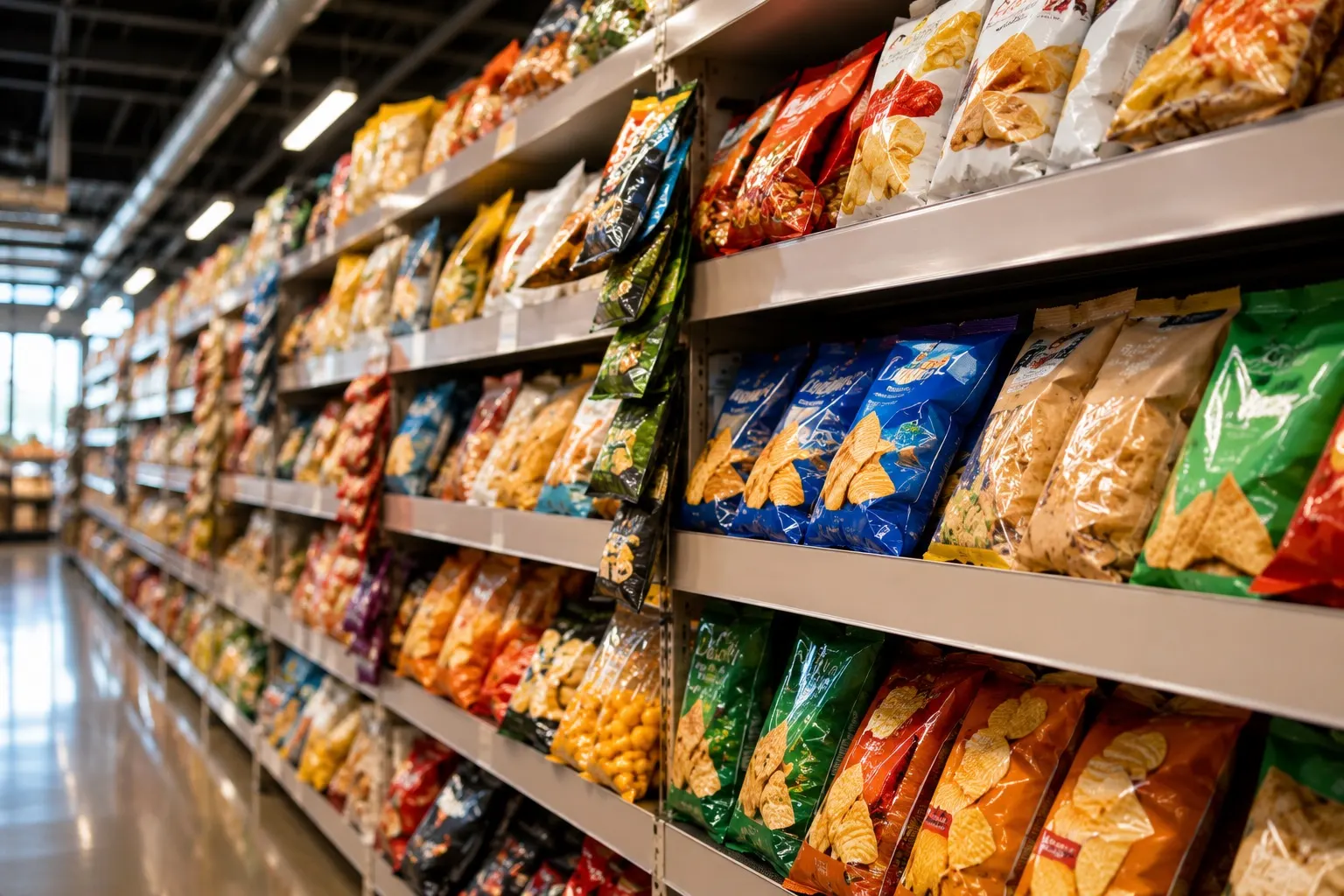
Soy-free snacks contain no soy in any form: no soybeans, no soy protein, no soy flour, no soy oil, and no soy lecithin. The catch? "Soy-free" isn't a regulated label claim, so a product can call itself soy-free even if it's made on shared equipment with soy. That's why you can't just grab the bag that says "no soy" and call it a day. You have to check the full ingredient list and the allergen statement every single time. Plenty of genuinely soy-free snacks exist across every category, from chips and popcorn to protein bars and beef jerky. You just need to know what to look for and where to look. If you just want the shortlist, we keep ranked soy-free lists for chips, crackers, cookies and protein bars.
Read This Before You Buy Anything
Labels and Allergen Statements Change Constantly
This is the part most snack roundups skip entirely. A product that was soy-free in 2023 might have soy lecithin added in 2025 because the manufacturer switched suppliers or reformulated for a different texture. Brand websites update faster than printed lists. Before you stock up on a case of anything, pull up the brand's current allergen page or call them directly. It takes two minutes and it's worth it.
Soy-Free vs. Soy Lecithin-Free vs. "May Contain Soy"
These are three different things, and mixing them up is where people get into trouble.
Soy-free: No soy ingredients at all, including lecithin. This is the strictest standard.
Soy lecithin-free snacks: No soy lecithin specifically, but may contain other soy derivatives. Some people with soy allergies tolerate soy lecithin because it has minimal protein content. Others don't. Ask your allergist.
"May contain soy" or "processed in a facility with soy": This is a voluntary cross-contact warning. It means soy could be present due to shared equipment or manufacturing lines, but it's not an intentional ingredient. The FDA does not regulate the exact wording of these statements, so they vary widely between brands.
If you're managing MSPI (milk-soy protein intolerance) for a breastfeeding baby, most elimination diet protocols call for full soy elimination, including soy lecithin. If you're avoiding soy for personal preference, you may be fine with soy lecithin. Know which category you're in before shopping.
Cross-Contact and Shared-Facility Language
"Processed in a facility that also processes soy" and "made on shared equipment with soy" are not the same risk level. Shared equipment means direct contact is more likely. Shared facility means soy is somewhere in the building but may not touch your product's line. Neither statement is regulated with specific standards, so if cross-contact is a serious concern for you, reach out to the manufacturer and ask about their cleaning protocols. Some brands are genuinely transparent about this. Others aren't.
The Best Soy-Free Snack Categories to Start With
Fruit Snacks and Dried Fruit
Plain dried fruit (raisins, apricots, mango slices, dates) is naturally soy-free and one of the easiest snack wins out there. The issue comes with soy-free fruit snacks that have added coatings, glazes, or "natural flavors" that could be soy-derived. Look for fruit snacks with short ingredient lists. The fewer ingredients, the less likely you'll find a hidden soy source.
Brands like Stretch Island Fruit Co. and That's It fruit bars have historically had clean labels, but verify current allergen statements before buying. Always.
Soy-Free Popcorn and Chips
Air-popped popcorn is naturally soy-free. The problem is microwave popcorn, which almost always contains soy lecithin as an emulsifier. Stick to ready-to-eat bagged popcorn and check the label.
SkinnyPop is one of the most consistently recommended soy-free popcorn options in communities like Reddit's r/MSPI. Their plain variety lists only popcorn, sunflower oil, and salt. Still, verify the current label since formulas can shift.
For soy-free chips, plain potato chips (like Lay's Classic) typically use sunflower or corn oil rather than soy oil, but flavored varieties often introduce soy. Kettle-style and simple-ingredient chips are generally safer bets. Siete Foods grain-free chips are popular in allergy communities and have been listed as soy-free on their allergen page, but check before you buy.
Soy-Free Protein Bars and Snack Bars
This is where things get messy. Most mainstream protein bars use soy protein isolate as a cheap protein source. Finding genuinely soy-free protein bars takes some digging.
The crazy part? Even bars marketed as "clean" or "natural" can sneak in soy lecithin as an emulsifier. Flip the bar over and read the full ingredient list, not just the front label claims.
Soy-Free Crackers, Cookies, and Sweet Snacks
Most conventional crackers contain soy lecithin or soy flour. Simple Mills almond flour crackers have been listed as soy-free and are widely available at Target and Whole Foods. Mary's Gone Crackers is another brand that allergy communities frequently recommend, though always verify current labels.
For cookies, Sweet Loren's is a name that comes up consistently in the r/MSPI community for dairy and soy free snacks. They market their products as free from the top 9 allergens, which includes soy. Verify on their allergen page before buying.
Soy-Free Beef Jerky and Meat Sticks
Plain soy-free beef jerky is a solid high-protein snack option, but the marinade is where soy hides. Soy sauce is a common jerky ingredient, and it's made from soybeans. Look for jerky that specifically calls out soy-free status or uses coconut aminos instead of soy sauce.
People's Choice Beef Jerky explicitly addresses soy-free options on their blog and offers varieties without soy-based marinades. Epic Provisions meat bars and bars made with simple ingredients (meat, salt, spices) tend to be safer than heavily marinated products. Check each flavor individually since the same brand's different flavors can have very different allergen profiles.
Seed and Nut Snacks (With School-Safe Caveats)
Plain roasted seeds (pumpkin seeds, sunflower seeds) are naturally soy-free and a great option. Nut and seed mixes can work well, but watch for soy-based seasonings or soy sauce coatings, which show up a lot in soy-free trail mix options and flavored nut products.
And get this: if you're packing snacks for school, nut-free and soy-free are two separate requirements. Many classrooms ban tree nuts and peanuts, so seed-based snacks become the go-to. Sunflower seed butter packets and pumpkin seed bags can fill that gap. Just confirm the brand's facility statement for nut cross-contact separately from the soy check.
| Snack / Brand | Snack Type | Soy Ingredients | Soy Lecithin | Cross-Contact Warning | Verification Tip | Where to buy |
|---|---|---|---|---|---|---|
| SkinnyPop Original Popcorn | Popcorn | None listed | None listed | Check current label — facility warnings vary by batch | Confirm on brand allergen page before buying | |
| Epic Provisions Beef Jerky Strips | Meat Snack | None listed | None listed | Varies by flavor — some flavors may differ | Read each flavor's label individually | |
| Siete Grain-Free Tortilla Chips | Chips | None listed | None listed | Generally free of top allergen warnings | Verify current allergen statement on Siete website | Amazonopen_in_new |
| RXBARs (select flavors) | Protein Bar | None listed | None listed | Some flavors processed near tree nuts — check soy separately | Review flavor-specific allergen info on RXBAR site | |
| Enjoy Life Chocolate Bars | Chocolate / Candy | None listed | None listed | Dedicated allergen-free facility claimed | Confirm facility status directly with Enjoy Life | Amazonopen_in_new |
| Larabars (select flavors) | Fruit & Nut Bar | None listed | None listed | Shared facility risk varies by flavor | Check each flavor — peanut flavors carry higher cross-contact risk | |
| Kettle Brand Sea Salt Chips | Potato Chips | None listed | None listed | Some flavors contain soy — original is lower risk | Stick to plain flavors and verify current label | Amazonopen_in_new |
| Simple Mills Almond Flour Crackers | Crackers | None listed | None listed | Generally free of soy warnings on original variety | Confirm on Simple Mills allergen FAQ page | Amazonopen_in_new |
Scroll the table sideways for the rest of the columns
This table covers snack categories and what to look for when verifying. I'm not claiming any product is permanently safe. Use this as a starting point, then verify the current label and allergen statement directly with the brand.
Where to Buy Soy-Free Snacks (Retailer Breakdown)
Amazon and Multipacks
Amazon is the best place for bulk buying and multipack deals of soy free snacks. You can get 20-count boxes of soy-free bars for $15 to $25, which is significantly cheaper per unit than buying individually at a grocery store. The downside is that Amazon listings don't always reflect current allergen statements, and third-party sellers sometimes ship older stock. Always click through to the brand's own product page or allergen FAQ rather than relying on the Amazon listing description for allergy information.
Walmart and Target
Both retailers have built out allergy-friendly filtering in their online search tools. Walmart's no soy snack category page and Target's dietary filter options make it easier to browse. In-store availability varies by location, but both carry SkinnyPop, Simple Mills, and basic dried fruit without much trouble. Prices tend to be lower than specialty stores for mainstream brands.
Brand-Direct Shopping
Buying directly from brands like ALOHA or Bobo's gives you the most transparency. Their websites maintain current allergen pages, often list manufacturing practices, and sometimes offer subscription discounts. If you're serious about verifying soy-free status, this is where to start your research even if you end up buying elsewhere.
Allergy-Friendly Specialty Stores
The Vitamin Shoppe carries a curated soy-free snacks category that skews toward protein bars and health-focused products. Thrive Market (online membership) has solid allergy filtering. Local co-ops and natural food stores often stock smaller brands that are more transparent about allergens. And get this: specialty stores often have staff who actually know the products, which is genuinely useful when you're trying to figure out if a product is soy lecithin-free versus fully soy-free.
Label-Checking Checklist for Hidden Soy
Soy hides under a lot of names. Here's what to scan for on every label, in order of how sneaky each one is.
Soybeans / soy / soya: The obvious ones. Under the FDA's Food Allergen Labeling and Consumer Protection Act (FALCPA), soy must be declared in plain language if it's a major ingredient. Check both the ingredient list and the "Contains" allergen statement.
Soy lecithin: Listed as an ingredient, not always in the "Contains" statement. Scan the full ingredient list specifically for this one.
Soy protein isolate / soy protein concentrate / textured soy protein (TSP/TVP): Common in protein bars, meat substitutes, and some crackers.
Soy sauce / tamari: Both are soy-based. Tamari is sometimes marketed as gluten-free, which confuses people into thinking it's also soy-free. It's not.
Miso: Fermented soybean paste. Shows up in some savory snacks and protein products.
Edamame: Immature soybeans. Obvious once you know, but worth a mention.
Natural flavors: This catch-all term can occasionally include soy-derived compounds. It's rare, but if you're highly sensitive, contact the manufacturer to ask specifically about the source of their natural flavors.
Vegetable oil / vegetable broth: These can be soy-based. "Vegetable oil" on a label often means soybean oil. Look for labels that specify the oil source (sunflower, canola, coconut, avocado).
Emulsifiers (E322, E471): E322 is lecithin, often soy-derived. This shows up more on imported products with European-style labeling.
Hydrolyzed plant protein / hydrolyzed vegetable protein: Often soy-derived. Common in savory snacks, chips, and seasoning blends.
Snacks to Be Careful With
I'm not saying avoid these forever. I'm saying these categories need extra scrutiny because soy shows up in them constantly.
Soy-free granola bars: Soy lecithin is used as a binder in many granola bar recipes. Even "natural" brands use it. Check every label.
Vegan snacks: Soy is one of the most common protein sources in vegan products. Vegan does not mean soy-free. Not even close.
Plant-based meat snacks: If it's a plant-based jerky or meat alternative, it's almost certainly soy-based.
Microwave popcorn: Soy lecithin is nearly universal in microwave popcorn for the butter flavor coating.
Asian-flavored snacks: Soy sauce is a foundational ingredient in most Asian-flavored seasonings. Seaweed snacks, rice crackers, and wasabi peas often contain soy.
Chocolate-coated anything: Soy lecithin is the most common emulsifier in chocolate. Most chocolate products contain it. If you need soy lecithin-free chocolate, look specifically for bean-to-bar chocolate made without emulsifiers.
Protein powders and bars with "proprietary blends": Proprietary blends can obscure soy protein sources. Skip anything that doesn't fully disclose every ingredient.
FAQs
Are soy lecithin and soybean oil safe for soy allergies?
This depends on the individual and their allergist's guidance. Soy lecithin has minimal soy protein content, and some allergists consider it low-risk for people with soy allergies. Highly refined soybean oil is similarly considered low-allergen by some clinicians. However, during strict elimination diets like MSPI protocols, most guidance calls for avoiding both. Do not make this call based on a snack guide. Talk to your allergist or dietitian about your specific tolerance level.
What are easy soy-free snacks for school?
The school snack challenge is real because you often need snacks that are nut-free and soy-free at the same time. Good candidates to verify include: plain SkinnyPop popcorn, That's It fruit bars, Simple Mills crackers, sunflower seed butter packets (check the brand for soy cross-contact), and plain dried fruit. Always check your school's specific allergy policy and verify the current label before sending anything in. A snack that was fine last year might have a different formulation now.
Are vegan snacks usually soy-free?
No. Vegan snacks are often the opposite of soy-free. Soy is one of the most popular plant-based protein sources, so vegan protein bars, vegan jerky, vegan cheese snacks, and vegan cookies frequently list soy protein isolate or soy flour as a main ingredient. Vegan and soy-free are completely separate dietary categories. Always read the label regardless of how the product is marketed.
What does "may contain soy" mean?
"May contain soy" is a voluntary cross-contact warning that manufacturers add when their product is made in a facility or on equipment that also handles soy. The FDA does not regulate the exact threshold that triggers this warning, so the actual risk varies significantly between brands. Some manufacturers are very conservative and add the warning even when cross-contact risk is extremely low. Others don't add it at all despite shared lines. If cross-contact is a serious concern, contact the manufacturer directly and ask about their cleaning protocols and dedicated allergen lines.
Can a product be dairy-free but not soy-free?
Absolutely, and this trips people up all the time. Dairy-free and soy-free are independent claims. Many dairy-free products use soy as a substitute: soy milk, soy-based cheese, soy yogurt, and soy protein in dairy-free protein bars. If you need dairy and soy free snacks, you have to check for both allergens separately on every product. Some brands like specifically market their products as both dairy-free and soy-free, which makes the search easier, but you still need to verify the current label.
You may also like
Allergy-Friendly Snacks: What to Buy and What to Check First
Most snack aisles are traps for allergic kids. I broke down exactly what to look for, how to verify ingredients, and which products actually pass the soy test.
10 min read
Soy-Free Asian Food: Sauce Swaps, Takeout Tips & Recipes
Soy hides in almost every corner of Asian cuisine, but that doesn't mean you're locked out. Here's a practical, allergy-aware guide to eating Asian-inspired food without soy sauce or soy-based ingredients.
9 min read
Best Soy Free Cookies: Brands to Buy & Recipes to Bake
Finding soy free cookies is harder than it looks — soy lecithin hides in almost every chocolate chip on the shelf. Here's the brand list and baking guide you actually need.
9 min read