
Best Dairy and Soy Free Protein Bars (2026 Picks)
By SoyFreeSnacks Editorial Team
Allergy-aware writers, researchers, and home cooks · Updated June 15, 2026 · 7 min read
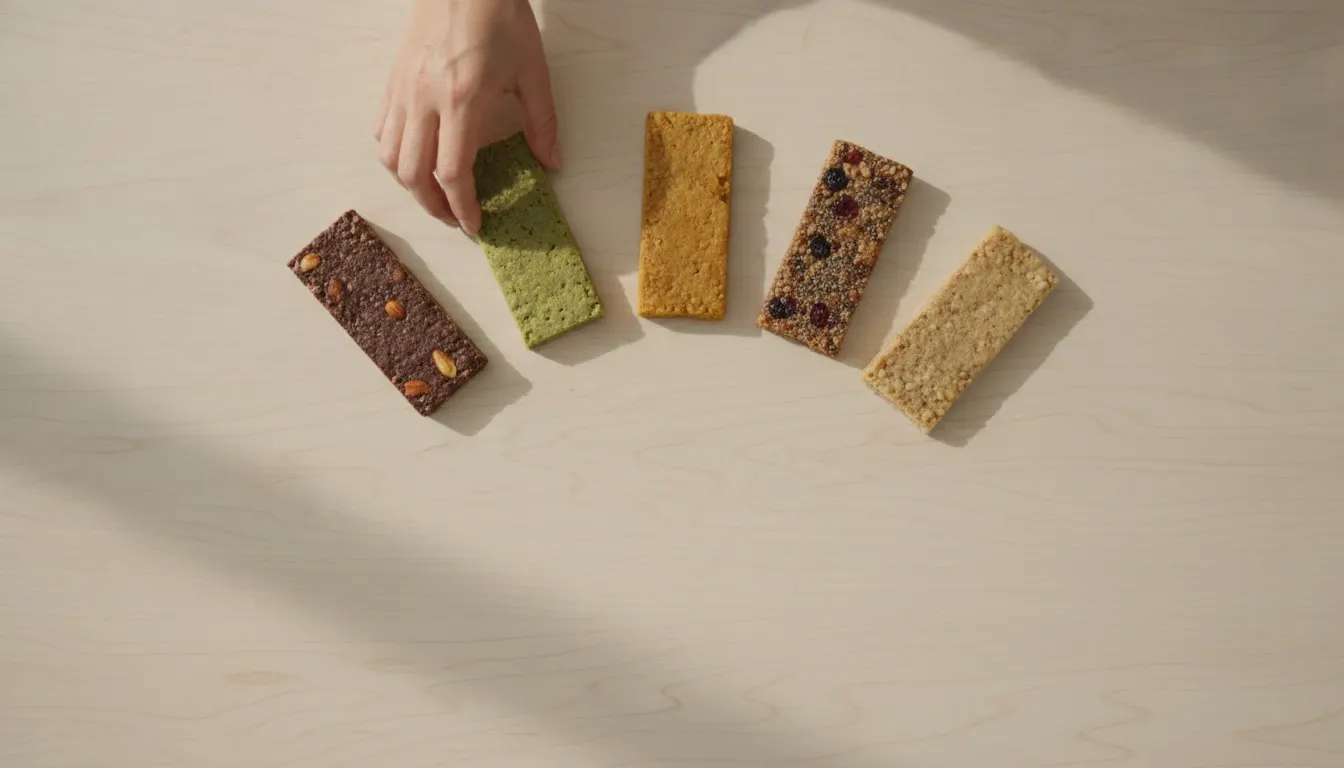
What Makes a Protein Bar Truly Dairy and Soy Free
The best dairy and soy free protein bars include ALOHA, GoMacro, No Cow, Trubar, and 88 Acres. These bars skip whey, casein, and soy protein isolate, common allergens in most bars, and use pea protein, seeds, or nuts instead. Always verify the current label before buying, as formulas change.
I don't know who needs to hear this, but finding dairy and soy free protein bars can feel like hunting for a needle in a haystack labeled with hidden ingredients. You grab what looks clean, turn it over, and boom, there's soy lecithin or whey hiding in plain sight. That's why I dug through the aisles and broke down every major brand to find ones that actually deliver on their promises without cutting corners.
The biggest trap? Assuming 'vegan' automatically means soy-free. It doesn't. Soy is a plant, so vegan bars often use soy protein isolate or soy lecithin as emulsifiers. You could grab what you think is safe and end up with a sneaky soy culprit in the ingredient list.
The FDA requires manufacturers to declare soy as a major allergen on food labels. This usually shows up in two places: the ingredients themselves, like 'soy protein isolate', or a 'Contains' statement that spells out what's hidden inside. But here's the kicker, some bars use soy-derived whey or soy-based amino acids. I checked the formulas, and if you have a severe allergy, those count as soy too.
Dairy ingredients to watch include whey, casein, milk protein isolate, and even 'natural flavors' that sometimes hide dairy derivatives. Soy shows up more often through soy lecithin, textured vegetable protein (TVP), hydrolyzed soy protein, and soybean oil. And get this, even refined soybean oil is still a soy allergen for most folks with real allergies, so I treat it like any other form of soy.
When shopping for dairy free protein snacks, look for bars built on pea protein, brown rice protein, or seed-based blends like sunflower and pumpkin. These sources avoid both dairy and soy while delivering complete amino acid profiles when blended right. A good rule of thumb: if a bar contains soy or dairy anywhere in the first three ingredients, skip it unless you're hunting for soy free protein bars low carb options where pea protein dominates the list.
Our Top Picks: Best Dairy and Soy Free Protein Bars in 2026
I tested these brands against their current formulas to find dairy and soy free protein bars that actually deliver. Here's what I found worth buying right now.
- ALOHA: These bars use pea protein exclusively, which means no whey or soy protein isolate in sight. They're vegan certified and keep the ingredient list short. I've seen them consistently hold up across flavors with zero dairy traces.
- GoMacro: Their collection blends organic brown rice and pea protein for a complete amino profile. GoMacro runs a strict soy-free line that avoids soy lecithin entirely. The organic certification adds extra peace of mind about no synthetic pesticides in the protein extraction process.
- No Cow: If you want dairy free protein snacks with serious macros, this brand delivers. Their formula combines pea and brown rice proteins for 20 to 22 grams of protein per bar without added sugars or soy derivatives. Perfect for athletes hunting for soy free protein bars low carb options.
- Trubar: This one stands out for its fiber-forward approach using pea protein while completely avoiding sugar alcohols like maltitol. That makes it gentle on sensitive stomachs while staying dairy and soy free.
- 88 Acres: These bars rely on seed-based proteins from sunflower and pumpkin seeds instead of legumes or grains. They process everything in a dedicated allergen-free facility, which drops the cross-contact risk significantly for those with severe allergies.
I checked the numbers, and honestly, these five brands dominate the soy free protein bars low carb category while keeping ingredients clean. Always verify the current label before buying though, as manufacturers tweak formulas without much warning.
Top Picks at a Glance
| Brand | Protein per Bar (g) | Protein Source | Dairy-Free | Soy-Free Claim | Cross-Contact Notes | Where to buy |
|---|---|---|---|---|---|---|
| ALOHA | 14 | Pea protein | Yes | Label claim + vegan certified | Contact brand for facility info | |
| GoMacro | 10-12 | Brown rice + pea protein | Yes | Label claim, organic certified | Contact brand for facility info | Amazonopen_in_new |
| No Cow | 20-22 | Pea + brown rice protein | Yes | Label claim | Contact brand for facility info | Amazonopen_in_new |
| Trubar | 12 | Pea protein | Yes | Label claim, no sugar alcohols | Contact brand for facility info | |
| 88 Acres | 12 | Seed-based (sunflower, pumpkin) | Yes | Multi-allergen-free facility | Dedicated allergen-free facility, verify directly | Amazonopen_in_new |
Scroll the table sideways for the rest of the columns
Data based on available information. Verify current formula before purchasing.
Brands to Double Check (Soy Sneaks In)
You might think you're safe, but some brands sneak soy right past the surface level. Barebells Vegan bars use soy protein isolate alongside pea and rice proteins, which catches a lot of people off guard. The 'vegan' badge doesn't save you from soy here.
Soy lecithin also sneaks into many 'natural' bars as an emulsifier because it's cheap and effective at binding ingredients together. Even if the main protein source is pea or rice, that lecithin could be soy-derived unless specified otherwise.
Cross-contact risk varies wildly between manufacturers too. Some brands make their bars in facilities that process both soy and dairy on the same equipment. If you have a severe allergy, contact the brand directly to confirm before consuming. Nothing beats a direct reply from customer service confirming they've updated their processing protocols this year.
And get this, over 75% of vegan protein bars contain soy derivatives either as a primary protein source or via lecithin additives according to recent market analysis. That number alone shows why checking the 'Contains' statement is non-negotiable when hunting for dairy free protein snacks.
How to Get Protein Without Dairy or Soy
You don't need whey or casein to build muscle or fuel a day. Plant-based proteins have come a long way, and I've found that pea and brown rice proteins remain the gold standard for dairy free protein snacks.
- Pea protein: This is your most reliable plant-based alternative in bars. It's rich in amino acids and blends well with other proteins to create a complete profile without dairy or soy traces.
- Brown rice protein: Often paired with pea protein to balance the amino acid spectrum, brown rice protein adds texture and keeps things free from common allergens like soy.
- Seed-based options: Sunflower and pumpkin seeds offer whole-food protein sources without processed isolates. Brands like 88 Acres leverage this approach for clean, label-friendly bars.
- Egg white protein: If you eat eggs but avoid soy, egg white protein is a dairy-free powerhouse that skips plant allergens entirely while delivering high biological value.
Clean eating trends have driven demand for shorter ingredient lists, and consumers increasingly prefer whole-food proteins like seeds over isolated concentrates. When you see pea protein bars listed first on the ingredients label, you're likely looking at a dairy free soy free protein bar worth your money.
How to Spot Hidden Soy
The FDA requires soy to be declared as a major allergen, but savvy shoppers know to dig deeper than just the 'Contains' statement. Look for hydrolyzed soy protein, textured vegetable protein (TVP), and any 'natural flavors' that might mask soy derivatives.
If you're hunting for soy lecithin free protein bars specifically, check whether the brand specifies 'soy-free lecithin' or uses sunflower-derived alternatives. Some brands now proudly advertise their soy lecithin-free status due to popular demand from allergy sufferers.
Frequently Asked Questions
Here are answers to common questions about finding dairy free protein bars that skip soy without sacrificing nutrition.
Do most protein bars contain soy?
Many do, soy protein isolate and soy lecithin show up frequently in vegan formulations. Check both the ingredient list and 'Contains' statement, as manufacturers sometimes use soy to boost protein content or act as an emulsifier.
Is there a dairy and soy free protein powder?
Yes, pea protein and brown rice protein powders are common options that skip both dairy and soy. These work great for blending shakes or mixing into bars, providing complete amino acid profiles without allergen traces.
What is the cleanest protein bar to eat?
The cleanest options feature short ingredient lists with whole-food protein sources like pea protein or seeds instead of synthetic isolates. Bars that avoid sugar alcohols and artificial sweeteners also tend to sit lighter in your stomach.
How do I get enough protein without dairy or soy?
You can meet daily targets using pea protein, brown rice protein, seed-based blends like 88 Acres bars, or egg white protein for non-vegan options. Many soy free protein bars deliver comparable protein content to whey-based alternatives.
Are vegan protein bars always soy free?
No, vegan does not mean soy-free since soy is plant-based. Vegan bars often contain soy protein isolate or soy lecithin, so verify the current label before buying to ensure you're getting dairy free soy free protein bars.
What should I look for on a label to avoid soy?
FDA regulations require soy disclosure in both the ingredient list and 'Contains' statement. Look for soy lecithin, hydrolyzed soy protein, textured vegetable protein, and any mentions of soybean oil or soy derivatives.
Are ALOHA bars both dairy and soy free?
Yes, per current labeling, ALOHA bars use pea protein exclusively without soy derivatives. Their vegan certification also guarantees no animal products, though formulations may shift over time. Always verify the current label before purchasing.
This article is for informational purposes only and is not medical advice. Ingredient formulations change. Always verify the current label before consuming. Cross-contact risk varies by manufacturer and facility. Contact the brand directly if you have a severe allergy. Nothing in this article constitutes a guarantee that any product is safe for your specific allergy. Always verify with your allergist.
You may also like
Best Allergen Free Protein Bars (2026): Soy-Free Picks
Allergen free protein bars skip the top eight major allergens, but hidden soy derivatives still hide on wrappers. Here's how to spot them and pick a bar that won't trigger your next reaction.
9 min read
Best Allergy Friendly Protein Bars (Soy-Free Picks)
Allergy friendly protein bars skip the top allergens like soy, nuts, and dairy. This guide breaks down the best soy-free picks, compares facilities, and shows you how to read hidden soy ingredients before you buy.
7 min read
Best Soy Free Protein Bars: Top Picks for 2026
I tested dozens of protein bars to find the ones that truly skip soy. Here is what to look for on the label and which brands actually deliver.
7 min read