
Is Chipotle Soy-Free? What to Order and What to Check
By SoyFreeSnacks Editorial Team
Allergy-aware writers, researchers, and home cooks · Updated May 26, 2026 · 7 min read
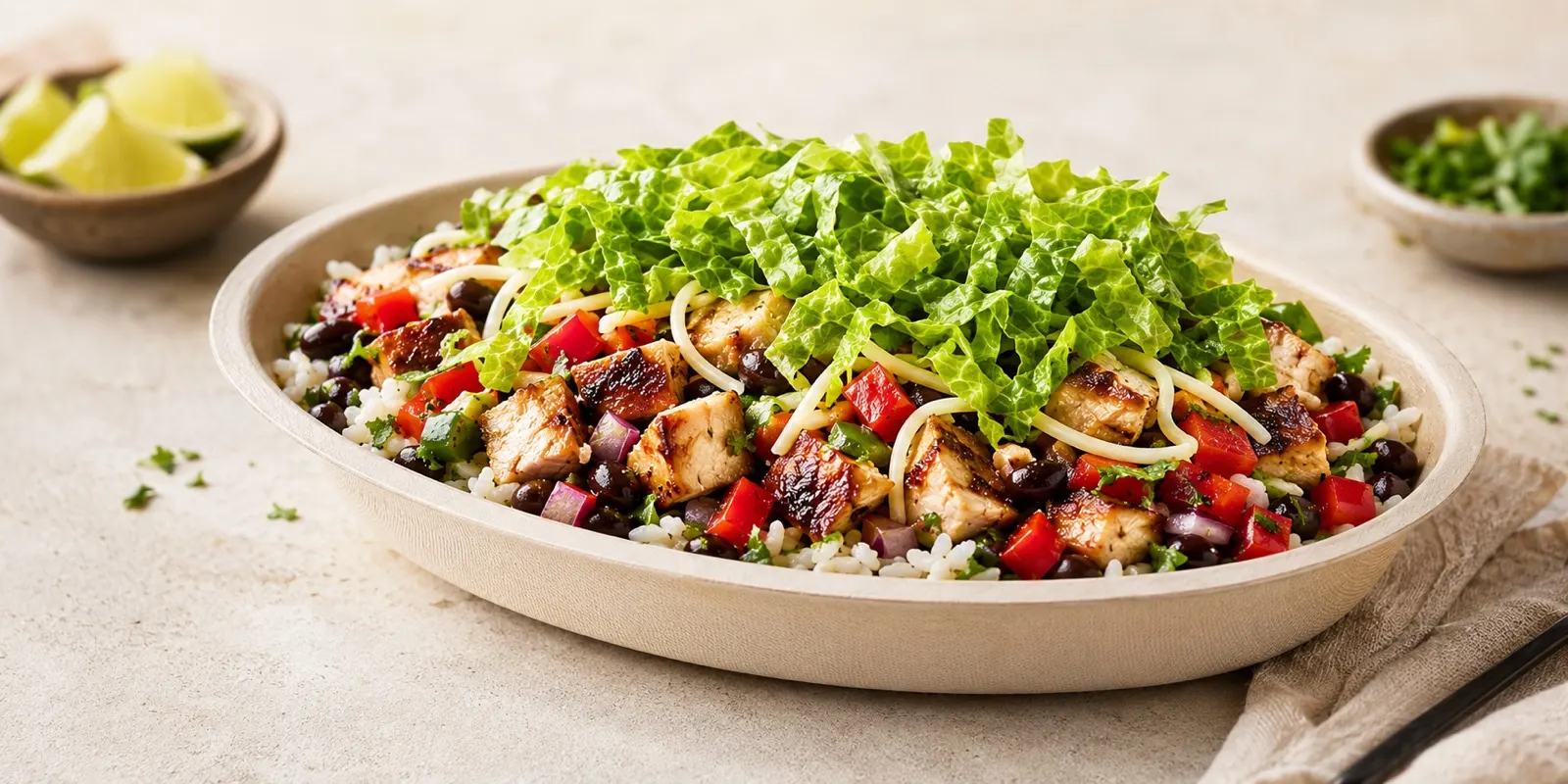
I get why people assume Chipotle is a safe bet for soy-free eating. Fresh ingredients, simple menu, build-your-own bowl. Sounds straightforward. But Chipotle does not officially designate any menu item as chipotle soy free, and if you have a soy allergy or intolerance, that matters a lot.
The good news? With a little homework, eating soy-free at Chipotle is genuinely possible for many people. The trick is knowing where soy actually hides on that menu, understanding the difference between types of soy, and using Chipotle's own tools to verify before you walk up to the counter.
This guide is soy-specific. Not a generic allergy roundup. Let's get into it.
Quick Answer: Is Chipotle Soy-Free?
Sort of, with caveats. Chipotle's menu is not soy-free across the board. The most obvious soy source is Sofritas, the braised tofu protein option, which is made directly from soybeans. That one's an easy skip.
Beyond Sofritas, soy can show up in less obvious places: certain dressings, sauces, and seasoning blends may contain soy lecithin or soy-derived ingredients. And depending on your allergy severity, soybean oil used in cooking could also be a factor.
The short version:
- Avoid: Sofritas (contains tofu/soy protein)
- Verify first: Dressings, vinaigrettes, certain salsas, seasoning blends
- Likely lower risk, but confirm: Plain rice, plain beans, grilled meats, most whole vegetables
Chipotle's official allergen page and full ingredients list are your starting point. Bookmark both. Ingredients change, and no third-party guide, including this one, replaces checking the current official source before you order.
How to Verify Chipotle Ingredients Before You Order
Here's something most allergy guides skip: Chipotle actually gives you decent tools to do this research yourself. Use them.
- Check the allergen page directly. Chipotle's website lists allergens by menu item at Chipotle. Soy is one of the major allergens tracked. Look for "soy" in the allergen column for each item you plan to order.
- Read the full ingredients list. The ingredients page goes deeper than the allergen summary. If you want to check for soy lecithin in a specific salsa or marinade, this is where you look.
- Use the Chipotle app. The app's nutrition and allergen filter lets you toggle allergens before you build your order. It's genuinely useful for real-time food allergy verification.
- Talk to staff. Ask which items are prepared with soybean oil, and whether the fryer (for chips) uses soy-based oil. Staff can't guarantee zero cross-contact, but they can tell you what's in the prep.
One thing I want to flag upfront: ingredients and sourcing can change at any time, seasonally or by region. A dressing that was soy-free six months ago might not be today. Always verify at the time of ordering, not based on a cached guide.
Menu Items to Investigate First
Let me break this down by category, because the risk isn't equal across the menu.
Proteins
Sofritas: Skip it. It's tofu-based, meaning it's made from soybeans. This is the single clearest soy source on the menu. If you have a soy allergy, this one's off the table entirely.
Grilled chicken, steak, carnitas, and barbacoa are the proteins to consider instead. These are marinated meats, so check the marinade ingredients on the official ingredients page to confirm no soy-containing additives are in the current recipe.
Salsas and Sauces
Fresh tomato salsa (pico de gallo), tomatillo salsas, and corn salsa are generally simpler ingredient-wise. But the chipotle-honey vinaigrette and any creamy dressings are worth a closer look, since emulsifiers like soy lecithin can appear in processed sauces. Check the ingredients page for each one specifically.
Rice, Beans, and Vegetables
Cilantro-lime rice, black beans, pinto beans, and fajita vegetables are among the simpler items. That said, cooking oils matter here. If soybean oil is used in preparation, that's relevant depending on your allergy severity (more on that below).
Chips and Guacamole
Chips are fried, so the frying oil is the question. Ask your location what oil they use for the chips. Guacamole is typically avocado, lime, cilantro, and salt, making it one of the cleaner options, but verify the current recipe on the ingredients page.
Cheese and Sour Cream
Dairy items don't inherently contain soy, but processed versions sometimes include soy lecithin. Worth a quick check on the ingredients list if you're particularly sensitive.
Soybean Oil, Soy Lecithin, and Whole Soy: What's the Actual Difference?
This is the part most allergy guides completely skip over, and it's genuinely important for anyone navigating a soy allergy at a restaurant.
Not all soy is created equal from an allergy standpoint. The FDA classifies soy as a major food allergen, meaning it must be declared on labels. But there are meaningful differences in how different soy derivatives affect people:
- Whole soy protein (like tofu in Sofritas): Highest allergenic risk. Contains intact soy proteins that trigger reactions in soy-allergic individuals.
- Soy lecithin: An emulsifier derived from soy. It retains some soy proteins, so it can still cause reactions in sensitive individuals. It's not the same as whole soy, but it's not risk-free either.
- Refined soybean oil: This one is debated. Highly refined soybean oil has most of the soy protein removed during processing. Many allergists consider it lower risk for soy-allergic individuals, and some people with soy allergies tolerate it fine. However, this varies by person and allergy severity. The FDA does not exempt refined soybean oil from allergen labeling requirements.
And get this: most restaurant allergy guides just say "contains soy" or "soy-free" without making this distinction at all. Your individual tolerance to soybean oil versus soy lecithin versus whole soy protein is something to work out with your allergist, not a blanket answer from a blog post.
What I can tell you: if your reaction is severe, treat all soy derivatives as risky until you've confirmed otherwise with a medical professional.
Cross-Contact at Chipotle: The Risk Nobody Talks About
Even if you build a bowl with zero soy-containing ingredients, cross-contact is a real thing at Chipotle. This is the gap that almost no competitor guide addresses, and it matters.
Cross-contact happens when a soy-containing food (like Sofritas) touches a surface, utensil, or the same gloved hands that then handle your supposedly soy-free ingredients. In a fast-casual line where everything moves quickly and staff are handling multiple items, this is not a theoretical risk.
Specific cross-contact concerns at Chipotle:
- Shared serving spoons and scoops: If the Sofritas spoon touches the rice container, that's cross-contact.
- Shared prep surfaces: Cutting boards and prep areas are used across multiple ingredients.
- Fryer oil: If chips are fried in soybean oil and the fryer is shared, the oil itself becomes a cross-contact vector.
- Gloves: Staff may handle Sofritas and then your burrito without changing gloves.
If your soy allergy is severe or anaphylactic, cross-contact at a busy fast-casual restaurant is a serious concern that goes beyond just choosing the right menu items. Talk to the manager, explain your allergy, and ask about their allergen protocols. Chipotle's official position is that they cannot guarantee any item is free from cross-contact with allergens.
For milder intolerances or preferences, cross-contact may be less of a concern. You know your situation best.
Your Chipotle Soy-Free Ordering Checklist
Here's a practical checklist to run through before and during your order. Save it, screenshot it, whatever works for you.
Before You Go
- Check Chipotle for current soy flags on your planned items
- Read ingredient details for sauces and dressings at Chipotle
- Use the Chipotle app allergen filter to build your order and check each component
- Decide your personal risk threshold: are you avoiding whole soy only, or soy lecithin and soybean oil too?
At the Restaurant
- Ask staff what oil is used for chips and cooking vegetables/rice
- Request fresh gloves if you have a severe allergy
- Ask if prep surfaces have been in contact with Sofritas
- Skip Sofritas entirely, no exceptions
- Skip any dressing or sauce you haven't verified on the official ingredients page
Quick Reference: Soy Risk by Category
| Menu Category | Soy Risk Level | Action |
|---|---|---|
| Sofritas | Highcontains tofu/soy protein | Avoid |
| Dressings and vinaigrettes | Mediumpossible soy lecithin | Verify on ingredients page |
| Grilled meats (chicken, steak, carnitas, barbacoa) | Low to mediumcheck marinades | Verify marinade ingredients |
| Chips | Low to mediumdepends on frying oil | Ask about frying oil |
| Plain rice and beans | Lowcheck cooking oil | Verify cooking oil if sensitive |
| Fresh salsas (pico, corn) | Low | Confirm current ingredients |
| Guacamole | Low | Confirm current ingredients |
| Cheese and sour cream | Lowpossible soy lecithin in processed versions | Verify if highly sensitive |
Disclaimer: This table reflects general guidance based on typical ingredient profiles. Chipotle's ingredients and allergen information can change at any time. Always verify using Chipotle's official sources before ordering.
Frequently Asked Questions
Does Chipotle use soybean oil?
Chipotle has used rice bran oil as their primary cooking oil, but oil sourcing can vary by location and over time. Ask your specific location what oil they currently use for cooking and frying. Don't assume based on what you read a year ago.
Is Sofritas the only soy item at Chipotle?
Sofritas is the most obvious one, but it's not necessarily the only source. Soy lecithin can appear in processed sauces and dressings, and soybean oil may be present depending on the location. Use the official ingredients and allergen pages to check every item you plan to eat.
Can I trust Chipotle for a severe soy allergy?
That's a question for your allergist, not a food blog. What I can tell you is that Chipotle does not guarantee any item is free from cross-contact with allergens. If your allergy is anaphylactic, the cross-contact risk in a busy fast-casual environment is real and worth a serious conversation with your doctor before eating there.
Is soy lecithin safe for soy allergies?
It depends on the individual and the severity of the allergy. Soy lecithin retains some soy proteins and can trigger reactions in sensitive people. The FDA still requires it to be declared as a soy-containing ingredient. Talk to your allergist about your specific tolerance level.
Where can I find more soy-free eating options?
If you're building out a broader soy-free diet, check out our guides on soy-free snacks, allergy-friendly snacks for school, and soy-free chocolate options. Eating out is just one piece of the puzzle.
Bottom line: Chipotle can work for a lot of people avoiding soy, but it takes a few minutes of homework and a realistic look at your own allergy severity. The tools are there. Use them, skip the Sofritas, and don't take anyone's word for it, including mine, without checking the current official source first.
You may also like

Does Movie Theater Popcorn Have Soy? Check the Butter
Movie theater popcorn often contains soy in the buttery topping, but the recipe varies by theater. Here is what to ask before you order.
5 min read
Allergy-Friendly Snacks: What to Buy and What to Check First
Most snack aisles are traps for allergic kids. I broke down exactly what to look for, how to verify ingredients, and which products actually pass the soy test.
10 min read
Best allergy friendly granola bars (Soy-Free Picks)
We tested dozens of snacks to find genuinely allergy friendly granola bars that skip hidden soy. Here is exactly what to look for on labels and why cross-contact matters.
8 min read