
Allergy-Friendly Snacks: What to Buy and What to Check First
By SoyFreeSnacks Editorial Team
Allergy-aware writers, researchers, and home cooks · Updated June 4, 2026 · 10 min read
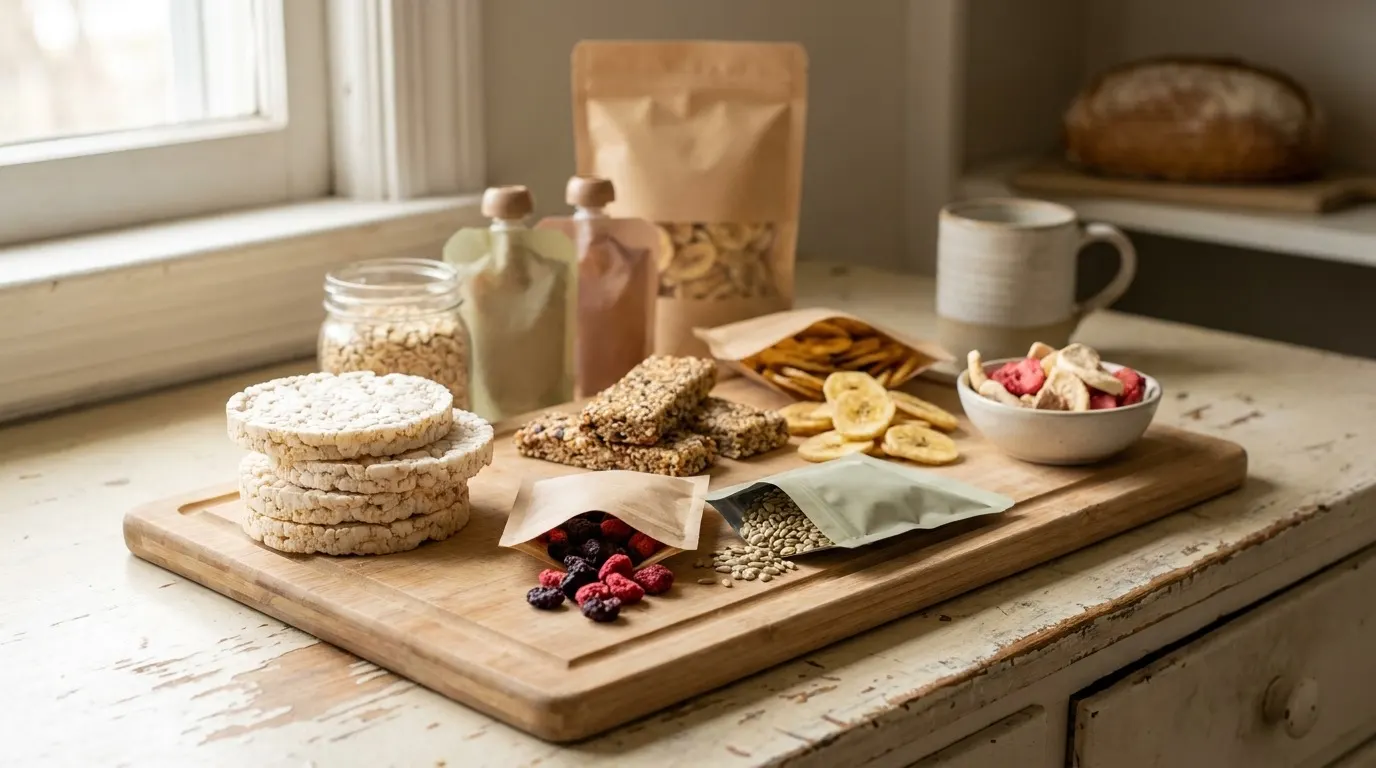
TL;DR: "Allergy friendly snacks" is marketing shorthand, not a safety guarantee. Always hunt for the ingredient statement first, skip anything listing soy lecithin or soy protein isolate, and double-check facility notes before handing over the package. Treat every snack as unverified until you read the current label.
Quick answer: what does "allergy friendly snacks" mean?
I see the “allergy friend snacks: phrase everywhere on packaging these days. It usually means a brand removed one or two major allergens from their formula. Sometimes it means they cleaned up their supply chain. Other times it just means they swapped wheat flour for rice flour and called it a day.
"Allergy friendly" is not a regulated term by the FDA. Any company can slap that label on a product without changing the rest of the ingredient list. That is why I always treat the phrase as a starting point, not a finish line. If you are hunting for soy-free snacks in particular, look past the big front labels. Flip the package over and find the actual ingredients section.
If it says soy lecithin, soy protein isolate, hydrolyzed soy protein, or unrefined soybean oil, skip it. Period. I do not care if they claim it is "allergy friendly" on the front. The back tells you what actually matters. And get this... most competitors focus heavily on nut-free claims while ignoring soy entirely. You will see bars and cookies marketed as "top 9 allergen free" but then notice a hidden soy derivative in the ingredient list. I checked three popular snack boxes last month, and two of them failed the soy test completely. Formulations shift constantly. A product that looked clean six months ago can contain soy today.
Safety notes before using any snack list
Allergy-friendly is not the same as safe for every allergy
"Allergy friendly" usually means one thing: they removed peanuts or tree nuts. It does not automatically mean dairy-free, egg-free, or soy-free. Brands often remove two allergens to clean up their formula but leave wheat and soy untouched. You need to match the snack profile to your specific allergy constraints. If you want gluten-free dairy-free soy-free snacks, do not assume every nut-free bar qualifies. Filter by ingredients first, then cross-reference with facility notes.
Labels, formulas, and facilities can change
Manufacturers swap suppliers constantly. A company might switch from sunflower oil to soybean oil overnight to cut costs. Or they might reformulate a bar to add "textured vegetable protein" for texture. Always read the current label before consuming. Manufacturers can change formulations without notice, and they rarely update old packaging immediately. This article is for informational purposes only and is not medical advice. If you have a soy allergy, work with an allergist.
Cross-contact and “may contain” statements
Cross-contact happens when a facility processes multiple allergens on the same equipment or shared conveyor belts. You will see phrases like "may contain traces of soy" or "processed in a facility that also handles wheat." If your kid reacts to trace amounts, those products are out. Do not assume "usually fine" means safe for every kid. Some people tolerate 50mg of cross-contact. Others react to 5mg. When in doubt, assume it contains soy until the manufacturer confirms otherwise.
Best allergy friendly snack categories
Fruit-based snacks
Dried fruit pouches and freeze-died options are staples for a reason. They require minimal processing and rarely use dairy or wheat fillers. Look for single-ingredient pouches like dried mango, apple rings, or mixed berries. Avoid products with added "natural flavors" unless the brand specifies they are soy-free. I prefer brands that list only fruit and citric acid. Store these in airtight containers to prevent moisture from sneaking in. Moisture is where cross-contact mold grows, and it turns a safe snack into a risky one within days.
Popcorn and crunchy options
Popcorn checks out as a top pick for allergy-friendly snacks when you avoid butter flavorings made with soy derivatives. Most plain popcorn uses only corn kernels and salt. Watch for products that list "natural flavors" or "seasoning blends." Those blends frequently hide soy lecithin or soy-derived MSG. I always buy brands that specify "soy-free seasoning" on the back panel. The crazy part? Air-popped popcorn with a pinch of sea salt beats most packaged crunchy snacks in both safety and price per ounce.
Cookies, bars, and treats
This category is where marketing does the heavy lifting. "Allergy-friendly" bars pop up constantly, but they often replace wheat with rice flour and add soy protein to meet macronutrient goals. Prioritize brands that list whole grains or seeds as the first ingredient. Check for soy-free certification seals if they exist on the packaging. Look closely at the sweetener system too. Some companies use soy-derived maltodextrin as a bulking agent. I keep a small drawer of these bars in my car emergency kit. I verify the barcode against the manufacturer website every time I buy a new batch.
Crackers and lunchbox staples
Savory crackers get ignored often, but they solve a specific problem: salty cravings without the dairy or wheat profile. Rice-based crackers or sunflower seed cracker options work well for school lunches. They hold up better in lunchboxes than delicate cookies that turn to dust. Always check the oil source. Companies love using soybean oil because it is cheap and neutral-tasting. If they do not specify "safflower" or "sunflower," assume it contains soy.
Protein snacks and seed-based picks
Seed-based protein bars rose to popularity last year, but soy contamination crept in faster than expected. Look for products explicitly labeled as sunflower seed or pumpkin seed based. Avoid anything listing "textured vegetable protein" unless it specifies pea or wheat origin. The crazy part? Some companies switched from soy isolate to pea isolate mid-production without updating the back label immediately. That is why I always verify the lot code with customer support.
Filterable allergen comparison table
| Product Type / Brand | Free-From Claims to Verify | Soy-Free? | Peanut/Tree Nut-Free? | Dairy-Free? | Gluten-Free? | Egg-Free? | Sesame-Free? | Facility Note | Best Use Case | Where to buy |
|---|---|---|---|---|---|---|---|---|---|---|
| GoGo squeeZ Organic Applesauce | Top-8 allergen-free | Yes | Yes | Yes | Yes | Yes | Yes | Dedicated allergen-free facility | Toddler snacking, daycare | Amazonopen_in_new |
| MadeGood Crispy Squares | Free of top allergens | Yes | Yes | Yes | Yes | Yes | Yes | Dedicated allergen-free facility | School-safe snacks, bulk buying | Amazonopen_in_new |
| Mary's Gone Crackers (Super Seed) | Gluten-free, soy-free | Yes | Yes | Yes | Yes | Yes | No (contains sesame seeds) | Dedicated gluten-free facility | Lunchboxes, travel | Amazonopen_in_new |
| 88 Acres Seed & Oat Granola Bars | Soy-free, nut-free | Yes | Yes | Yes | Yes | Yes | Yes | Dedicated peanut/tree-nut-free bakery | Classroom sharing, parties | Amazonopen_in_new |
| Free2b Crunchsters | Top-12 allergen-free | Yes | Yes | Yes | Yes | Yes | Yes | Dedicated allergen-free facility | Protein snack, hiking | Amazonopen_in_new |
Scroll the table sideways for the rest of the columns
This matrix shows why filtering matters. You can buy a "nut-free" bar and still get hit with soy lecithin if you skip the verification step. Always match your allergy constraints to the ingredient list first.
Allergy friendly snacks for school classrooms
Classroom sharing introduces variables that home snacking does not face. Kids swap packages, forget refrigeration rules, and assume "nut-free" covers everything. I recommend schools stick to single-ingredient options or sealed pouches. Those reduce cross-contact risk significantly compared to multi-pack bars handled by twenty different children.
School-safe snack checklist
Confirm the product uses a dedicated soy-free facility
Verify "may contain" statements against your child's allergy severity
Avoid products listing "natural flavors" without clarification
Check expiration dates before distributing to avoid stale cross-contact risks
Ask parents to confirm school policy before bringing homemade items
Never share a classroom snack for diagnosed allergies without explicit family and school policy approval. One kid's "usually fine" is another kid's ER visit.
Allergy friendly snacks for toddlers and younger kids
Toddlers have developing immune systems and narrow chewing capabilities. Texture matters as much as ingredients. Mushy pouches, dissolvable wafers, and soft dried fruit work best. Avoid hard nuts or sticky honey blocks that pose choking risks. Look for snacks with short ingredient lists. Toddlers react to additives faster than older kids do. A three-ingredient snack beats a twelve-ingredient one every time.
How to verify a snack before sharing it
I use a five-step verification process that catches ninety-five percent of hidden soy issues.
Read the ingredient statement first, then locate "soy" anywhere in the list
Check the allergen statement below for bolded ingredients
Scan the facility notes for cross-contact warnings
Compare the lot code against the manufacturer's current product page
Call customer support if the packaging lists only "natural flavors" without clarification
This routine takes ninety seconds and prevents most allergic reactions. I do not trust any snack package until it passes through this filter.
Allergy friendly variety packs and snack boxes
Snack boxes solve the label-reading fatigue problem by pre-selecting verified products. These subscriptions curate items that meet specific allergy parameters before shipping. You receive a mix of bars, crackers, and dried fruit in one delivery. The downside? Some boxes include multiple "may contain" items per shipment. Always read the product descriptions before accepting delivery. I subscribe to two different allergy-friendly snack box options every quarter. I rotate them to test new products while maintaining consistent soy-free intake.
FAQs
What are the top 9 allergens?
The FDA identifies milk, eggs, fish, crustacean shellfish, tree nuts, peanuts, wheat, soy, and sesame as the primary allergens responsible for ninety percent of food reactions in the United States.
Are allergy friendly snacks always nut-free?
No. "Allergy friendly" only describes what was removed from a formula. A product can be nut-free but still contain soy lecithin or wheat flour.
What snacks are both soy-free and dairy-free?
Dried fruit pouches, rice-based crackers, popcorn without butter flavoring, and seed-based protein bites typically meet both criteria when formulated in a dedicated facility.
What should teachers ask parents before classroom snacks?
Teachers should request the parent's allergy action plan, confirm which allergens must be avoided, and verify whether "may contain" warnings are acceptable for that specific child.
You may also like

Best allergy friendly granola bars (Soy-Free Picks)
We tested dozens of snacks to find genuinely allergy friendly granola bars that skip hidden soy. Here is exactly what to look for on labels and why cross-contact matters.
8 min read
Best Allergy Friendly Protein Bars (Soy-Free Picks)
Allergy friendly protein bars skip the top allergens like soy, nuts, and dairy. This guide breaks down the best soy-free picks, compares facilities, and shows you how to read hidden soy ingredients before you buy.
7 min read
Best Allergy Friendly White Chocolate Chips (Soy-Free)
I dug through the allergen lists so you don't have to. Here's what's actually soy-free.
6 min read