
Soy-Free Coconut Aminos: The Complete Guide
By SoyFreeSnacks Editorial Team
Allergy-aware writers, researchers, and home cooks · Updated September 29, 2026 · 9 min read
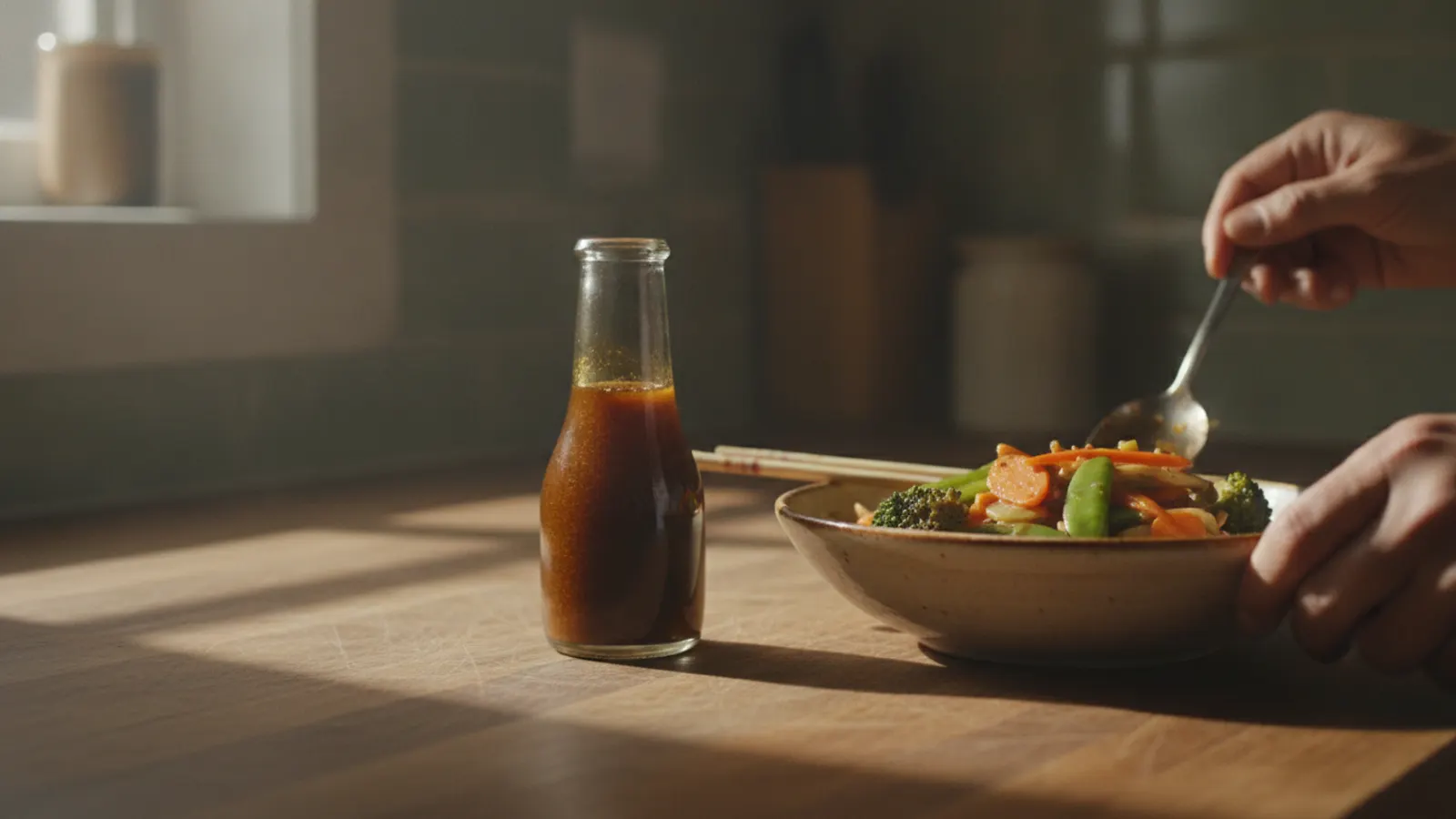
Yes, soy-free coconut aminos exist.
The catch is choosing the right bottle. Plain coconut aminos can replace soy sauce, but similar names and flavored sauces make the aisle unnecessarily tricky. Coconut Secret Coconut Aminos and Kevala Organic Coconut Aminos have the clearest facility disclosures among these brands.
Bragg requires extra attention. Bragg Organic Coconut Aminos contains no soy ingredients, while the nearly identical-looking Bragg Liquid Aminos is made from soybeans. One word on the front decides whether the bottle belongs in your cart.
What are coconut aminos, exactly?
Coconut aminos is a dark seasoning sauce made from coconut sap or coconut blossom nectar and salt. Some versions also include water, vinegar, or another minor ingredient. Despite the tropical name, it isn't made from coconut oil or coconut milk.
The six plain products below contain no soy ingredients. Bragg, Big Tree Farms, Kevala, and Coconut Secret all list 0 grams of protein per serving, so don't let the word "aminos" make this sound like a nutritional supplement. It's a condiment with excellent branding, not a protein shake in a tiny bottle.
Its main job is replacing soy sauce in marinades, stir-fries, dipping sauces, fried rice, and dressings. You can usually start with a 1:1 substitution, then add salt if the finished dish needs more punch.
If you're rebuilding more of your pantry, this guide to soy-free soy sauce alternatives covers other options and where each one works best.
Are soy-free coconut aminos really free from soy?
The basic ingredients are. Coconut sap, coconut blossom nectar, sea salt, water, and apple cider vinegar aren't soy ingredients. None of the six plain products below lists soy protein, soybeans, soybean oil, soy lecithin, or another soy-derived ingredient.
That answers the ingredient question. It doesn't answer the factory question.
Cross-contact depends on the facility and production line. Nutiva, which now sells the product formerly branded as Coconut Secret, lists peanut and sesame in the facility for its four coconut aminos products. It doesn't list soy there. Nutiva's allergen fact sheet covers Original, Garlic, Spicy, and Teriyaki Coconut Aminos.
Kevala goes further. Kevala's allergen spec sheet says soybeans aren't present in the product, production line, or facility. Sesame and coconut are present in that facility.
Big Tree Farms, 365 by Whole Foods Market, Bragg, and BetterBody Foods don't publish a soy facility statement on their product pages. That doesn't prove soy is present. It means the public information stops before answering the cross-contact question.
US packaged-food labels must declare soybeans when they're an ingredient because soy is one of the nine major allergens. Coconut hasn't been on the FDA's tree-nut list for allergen labeling since the agency's January 6, 2025 update, as explained in FDA's allergen labeling guidance.
For a severe soy allergy, contact any brand without a published facility statement and ask about both the production line and the facility. Your allergist makes the personal call.
The Bragg bottle mix-up you need to avoid
Bragg Organic Coconut Aminos is made with organic coconut blossom nectar, water, organic apple cider vinegar, and sea salt. It has 140 mg of sodium and 2 grams of sugar per teaspoon.
Bragg Liquid Aminos is an entirely different condiment. Its ingredients are soybeans and water, and it contains 310 mg of sodium per teaspoon. Bragg's Liquid Aminos label makes the soy content explicit.
Don't shop by the big word "Aminos" on the front. Read the full product name and look for "Organic Coconut Aminos." Bragg Liquid Aminos contains soy and doesn't belong in a soy-free kitchen.
Which soy-free coconut aminos should I buy?
My first pick is Coconut Secret Coconut Aminos, now sold as Nutiva Organic Coconut Aminos, because its ingredient list is short and its facility disclosure is unusually useful. Kevala Organic Coconut Aminos is the strongest alternative when facility information matters most.
Bragg Organic Coconut Aminos is a reasonable ingredient-level option, but its lack of a published facility statement puts more work on the shopper. Big Tree Farms Organic Coco Aminos, 365 by Whole Foods Market Organic Coconut Aminos, and BetterBody Foods Organic Coconut Aminos have the same information gap.
Read the current bottle before buying, even if you've bought it before. Formulas, facilities, and product names can change, while old shopping recommendations keep wandering around the internet like they pay rent there.
| Product | What's in it | Sodium per tsp | Soy in facility? | Worth knowing | Where to buy |
|---|---|---|---|---|---|
| Coconut Secret Coconut Aminos | Organic coconut tree sap, sea salt | 90 mg | None listed | Now sold by Nutiva; peanut and sesame in facility | Amazonopen_in_new |
| Bragg Organic Coconut Aminos | Coconut nectar, water, vinegar, sea salt | 140 mg | Not published, check | Don't confuse with Liquid Aminos | Amazonopen_in_new |
| Big Tree Farms Organic Coco Aminos | Coconut nectar, water, Balinese sea salt | About 167 mg | Not published, check | Marinade is a different product | Amazonopen_in_new |
| Kevala Organic Coconut Aminos | Coconut nectar, coconut sap, sea salt | About 170 mg | None listed | Line and facility disclosure published | Amazonopen_in_new |
| 365 by Whole Foods Market Organic Coconut Aminos | Organic coconut sap, sea salt | Not published | Not published, check | Simple ingredient list | Amazonopen_in_new |
| BetterBody Foods Organic Coconut Aminos | Coconut blossom nectar, Himalayan salt | 160 mg | Not published, check | Packed in certified Utah facility | Amazonopen_in_new |
Scroll the table sideways for the rest of the columns
Watch the modifiers on flavored products too. Nutiva Coconut Aminos Teriyaki is included in the brand's coconut-aminos facility disclosure. Nutiva also sells a separate Teriyaki Sauce & Marinade made with Coconut Aminos from a facility that handles soy, wheat, milk, eggs, fish, and shellfish.
Those names are close enough to reward careless shopping with the wrong sauce. "Coconut Aminos Teriyaki" and "Sauce & Marinade made with Coconut Aminos" aren't interchangeable products.
Does coconut aminos taste like soy sauce?
It fills the same role, but it isn't an exact flavor copy. Coconut aminos is sweeter and less salty than regular soy sauce. Bragg lists 2 grams of sugar per teaspoon, Coconut Secret lists 1 gram, and Kevala lists about 2.5 grams.
Regular Kikkoman soy sauce contains about 320 mg of sodium per teaspoon. The coconut aminos above range from 90 to about 170 mg per teaspoon where a number is published. Even Kikkoman Less Sodium Soy Sauce lands at about 197 mg per teaspoon, and it still contains soy and wheat.
That lower salt level changes more than the nutrition panel. Soy sauce delivers an immediate salty hit, while coconut aminos brings sweetness forward. Tamari stays closer to soy sauce in flavor, but tamari is made from soy and isn't a soy-free substitute.
Start with coconut aminos at a 1:1 ratio. Taste the finished dish, then add salt separately. Trying to match soy sauce's saltiness with coconut aminos alone could require roughly 2 to 3.5 times as much sauce, which also piles on sweetness and liquid.
How do I cook with it without making dinner sweet?
Use high heat where the recipe allows it. A hot pan reduces some of the liquid and develops browned flavor, which keeps the sweetness from sitting on top of the dish.
For stir-fries, add coconut aminos after the vegetables and protein have started browning. Let it bubble against the hot pan instead of pouring it over everything after cooking. Add salt at the end if the dish still tastes flat.
For fried rice, use a modest pour and spread it across the hot cooking surface. For sushi dipping, serve it as-is or sharpen it with an ingredient already suited to your recipe, such as rice vinegar or ginger.
It also works well in a soy-free marinade. Pair it with garlic, ginger, acid, and oil, then remember that the sauce contributes sweetness but not soy sauce's full salt level.
In salad dressings, coconut aminos can cover both seasoning and sweetness. Taste before adding honey, maple syrup, or another sweetener. Your dressing doesn't need three separate departments working on sugar.
What are the downsides?
- First, coconut aminos costs roughly two to three times as much per ounce as ordinary soy sauce. If you use it by the cup, your grocery receipt will notice.
- Second, it doesn't taste identical to soy sauce. The extra sweetness can work in marinades and glazed dishes but can feel out of place in recipes that need a sharp, salty finish.
- Third, "made with coconut aminos" doesn't mean the entire product is soy-free. Flavored marinades and bottled cooking sauces can include additional ingredients or come from different facilities than a brand's plain coconut aminos.
- Finally, several popular brands publish no facility allergen statement. A clean ingredient list tells you what's deliberately added. It doesn't tell you what else runs through the building.
If you're sorting out restaurant dishes and bottled Asian sauces beyond this one condiment, the soy-free Asian food guide explains where soy tends to hide and which swaps deserve attention.
FAQs
Are coconut aminos completely soy-free?
Plain coconut aminos are soy-free by ingredient when the bottle lists coconut sap or nectar and salt without soy-derived additions. Cross-contact information varies by manufacturer, so use the brand's facility statement to answer that separate question.
Can people with soy allergies use coconut aminos?
The six plain products above list no soy ingredients. Nutiva lists no soy in the facility for its coconut aminos, and Kevala says soybeans aren't present in its product, line, or facility. Your allergist should decide what level of manufacturing disclosure you require.
Does coconut aminos taste like soy sauce?
It tastes savory, but it's sweeter and less salty than soy sauce. Use it 1:1 to start, then add salt separately instead of flooding the dish with extra coconut aminos.
What can I use instead of soy sauce or coconut aminos?
Depending on the recipe, options include fish sauce, a concentrated mushroom broth, or a sunflower-seed-based seasoning. Each has a different salt level and flavor, so substitute by taste rather than assuming another automatic 1:1 swap. Each option still needs its own soy check on the label; see the soy-free soy sauce alternatives guide for more choices.
Are there any downsides to coconut aminos?
It costs about two to three times more per ounce than soy sauce, tastes sweeter, and delivers less salt. Some brands also publish no facility allergen statement, which means you may need to contact the manufacturer before choosing one.
The bottle I'd take off the shelf
Buy plain Coconut Secret Coconut Aminos, now under Nutiva, or Kevala Organic Coconut Aminos when you want the strongest published facility information. Keep Bragg Organic Coconut Aminos in consideration, but keep soy-based Bragg Liquid Aminos out of the cart. The front labels look friendly; the full product name does the actual work.
This article is for informational purposes only and isn't medical advice. Always read the current label before consuming because manufacturers can change formulations without notice, and work with an allergist if you have a soy allergy.
You may also like

Gluten Dairy Soy Free Cookies: Brands & Recipes That Work
Cookies that are gluten, dairy, and soy free do exist both store bought and homemade. Look for brands with explicit triple allergen free labeling and dedicated facilities to avoid cross contact risk.
7 min read
Best Soy Free Popcorn: Brands, Oils & What to Avoid
Most popcorn hides soy in the oil — and most labels won't warn you loudly enough. Here's exactly which brands are soy free, which oils to use, and what to avoid.
8 min read
Soy-Free Soy Sauce Alternatives That Actually Taste Right
The best soy-free soy sauce alternatives are coconut aminos, soy-free tamari, and fish sauce. Each option brings unique umami depth without the soy risk.
8 min read