
Soy-Free Soy Sauce Alternatives That Actually Taste Right
By SoyFreeSnacks Editorial Team
Allergy-aware writers, researchers, and home cooks · Updated September 18, 2026 · 8 min read
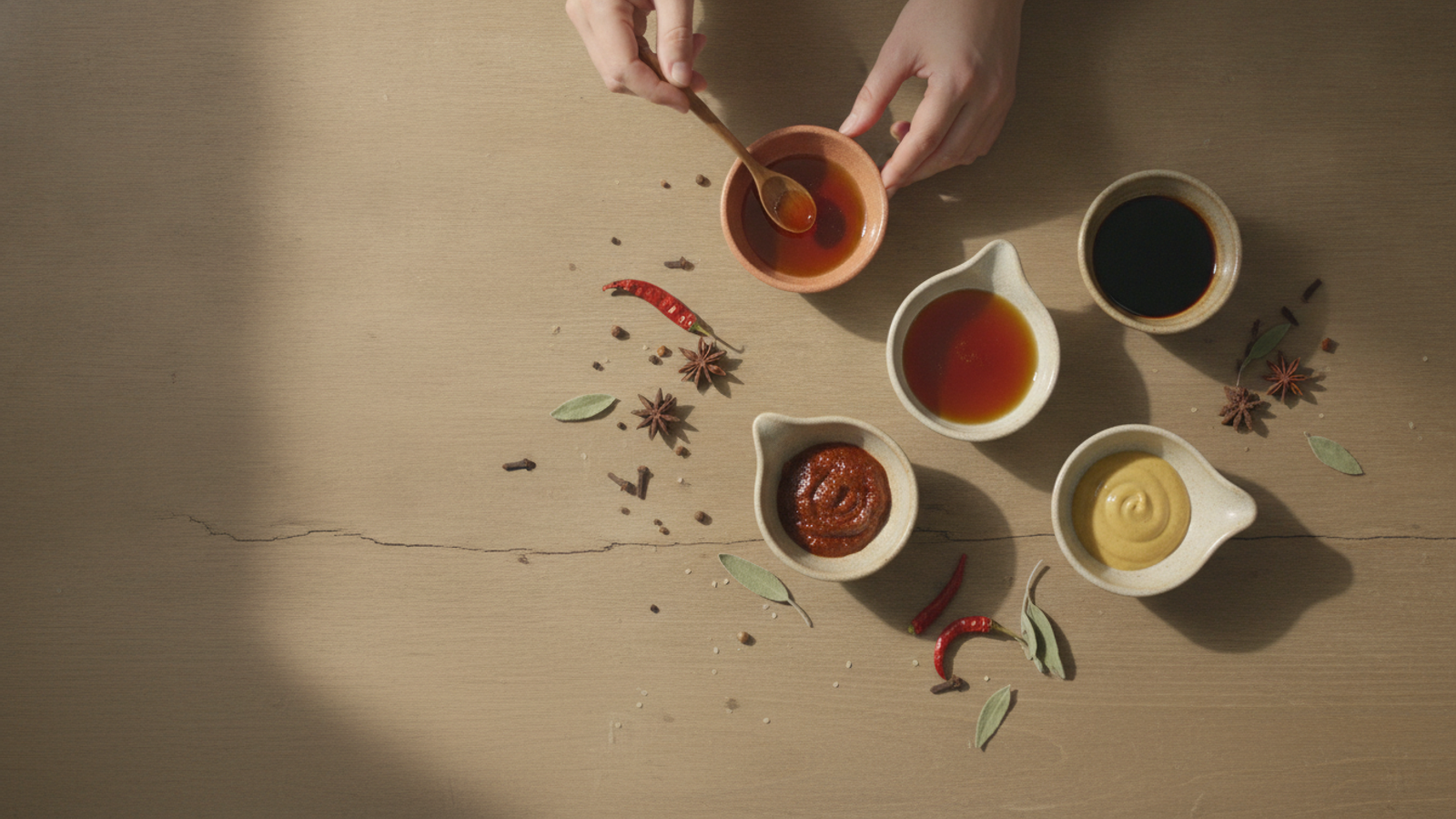
The best soy-free soy sauce alternatives are coconut aminos, soy-free tamari (like San-J No Soy Tamari), and fish sauce. Coconut aminos is the most widely available and allergy-friendly option. Each substitute differs in saltiness, sweetness, and umami depth so the right pick depends on your recipe and your specific allergy needs.
What Makes a Good Soy-Free Soy Sauce Alternative?
Soy sauce delivers salt, umami, and slight sweetness in one package. No single substitute nails all three equally. That is why finding reliable soy-free soy sauce alternatives requires more than just flipping the bottle.
Current market data shows that flavor profiles shift drastically based on fermentation methods. Coconut aminos use coconut flower sap while tamari relies on wheat or rice. You need to verify what your body tolerates before stocking up. Allergy severity matters too. Intolerance might let you tolerate trace soy, but an IgE-mediated allergy demands strict avoidance.
The Best Store-Bought Options
Coconut Aminos
This stuff is fermented from coconut flower sap rather than soybeans. Coconut Secret brand leads the charge here. It yields a mild, slightly sweet profile with only about 90 mg of sodium per tablespoon compared to the 900+ mg in traditional soy sauce.
Coconut aminos are naturally soy-free and gluten-free. However, they are not safe for tree nut allergies since they come from a coconut. The flavor is sweeter and less salty so you will need to adjust your ratios when cooking.
San-J No Soy Tamari
This option stands out because it is brewed without soy or wheat. San-J uses beet juice for color and a proprietary blend of spices. It closely mimics the rich umami profile of traditional soy sauce.
The brand certifies its product against the top nine allergens including soy, making it ideal for severe allergies. You can swap this directly at a 1:1 ratio with regular soy sauce in most recipes.
Fish Sauce
Red Boat fish sauce offers intense umami depth without any soy derivatives. It is perfect for soups and noodle dishes where you want that pungent flavor punch.
Fish sauce carries high salt content at roughly 1250 mg per tablespoon so use it sparingly. Remember that some brands add soy to their blends so check the ingredient list carefully before buying.
Worcestershire Sauce
This classic condiment varies wildly by brand. Traditional recipes often include anchovies and sometimes soy or wheat derivatives.
Current market data shows inconsistent soy content across different manufacturers. Look for Worcestershire sauce labeled as soy-free if you want to play it safe.
Liquid Aminos
Here is the big misconception: liquid aminos are not soy-free. Bragg Liquid Aminos are hydrolyzed from soy protein and contain about 900 mg sodium per tablespoon.
If you have a soy allergy, liquid aminos will trigger your symptoms just like soy sauce does. Do not be fooled by the name.
DIY Soy Sauce Substitute Recipe
Sometimes store-bought options don't hit the spot or cost too much money. You can whip up a simple homemade version that mimics umami depth without soy, wheat, or fish.
This recipe adapted from Vegan Lovlie uses vegetable bouillon as its base. The recipe calls for blackstrap molasses, apple cider vinegar, and spices to replicate the viscosity of traditional soy sauce.
Yield approximately one cup which serves as a 1:1 replacement for soy sauce in your cooking. Always verify that your bouillon brand is soy-free since many contain hidden soy derivatives.
Comparison Table and Conversion Guide
| Alternative | Soy-Free? | Gluten-Free? | Vegan? | Flavor Profile | Salt Level | Best Use | Swap Ratio (per 1 tbsp soy sauce) | Where to buy |
|---|---|---|---|---|---|---|---|---|
| Coconut Aminos | Yes | Yes | Yes | Mild, slightly sweet, low umami | Lower | Stir-fries, marinades, dipping | 1.5 tbsp | Amazonopen_in_new |
| San-J No Soy Tamari | Yes | Yes | Yes | Closest to soy sauce, rich umami | Similar | Any recipe calling for soy sauce | 1 tbsp | |
| Fish Sauce | Yes | Yes | No | Pungent, very savory, funky | High | Soups, noodles, dressings | 0.5 tbsp | Amazonopen_in_new |
| Worcestershire Sauce | Varies by brand | Varies | No (anchovies) | Tangy, complex, slightly sweet | Medium | Marinades, sauces | 1 tbsp, verify label | |
| DIV Bouillon Substitute | Yes | Yes | Yes | Earthy, savory, mild | Medium | Soups, stews, rice dishes | 1 tbsp (1:1) | |
| Liquid Aminos (Bragg) | No, contains soy | Yes | Yes | Similar to soy sauce | Medium | Not suitable for soy allergy | N/A |
Scroll the table sideways for the rest of the columns
Always read the current label before consuming because manufacturers can change formulations without notice.
Allergy Safety Tips for Soy-Free Cooking
Cross-contact risk is your biggest enemy when shopping. Many facilities process soy alongside other allergens in shared equipment.
The FDA mandates clear disclosure of top-9 allergens but manufacturers frequently update formulations. I always recommend contacting the manufacturer directly if you have a severe IgE-mediated allergy to confirm facility processing details.
Do not rely on the gluten-free label as a proxy for soy-free status. Most commercial tamari contains soy despite being gluten-free.
Frequently Asked Questions
What is a good non-soy substitute for soy sauce?
Coconut aminos and San-J No Soy Tamari are your best bets. Coconut aminos offer a sweeter profile while the tamari provides that rich umami kick you expect from soy sauce.
Is there a soy-free soy sauce with no soy in it?
Yes, San-J No Soy Tamari is brewed without soy or wheat. It uses beet juice for color and delivers a flavor profile closest to traditional soy sauce.
Does soy-free tamari taste like regular soy sauce?
San-J No Soy Tamari comes closest in flavor but lacks the slight sweetness of coconut aminos. Both work beautifully as direct replacements.
Are liquid aminos soy-free?
No, Bragg Liquid Aminos are made from soy protein. They contain about 900 mg sodium per tablespoon so they are not safe for soy allergy sufferers.
What can I use instead of soy sauce if I am allergic to soy?
Coconut aminos, soy-free tamari, and fish sauce work best. Always verify labels and contact the manufacturer if your allergy is severe.
Is coconut aminos the same as soy sauce?
No, coconut aminos are sweeter and less salty than soy sauce. You will need to use about 1.5 tablespoons of coconut aminos for every tablespoon of soy sauce in your recipe.
You may also like

Best Vegan Soy-Free Snacks: 20+ Options That Actually Taste Good
Vegan and soy-free at the same time? Harder than it sounds, but absolutely doable. Here are 20+ snacks organized by category, with label-reading tips no one else is telling you.
9 min read
Best Soy Free Protein Snacks: 15 Options That Actually Work
We tested dozens of options to find actual soy-free protein snacks. Here are the top picks that deliver clean macros without hidden soy derivatives or cross-contact risks.
8 min read
Soy Free Chocolate Bars: What Actually Works in 2026
I dug through ingredient lists and tested dozens of options so you don't have to guess. Here is exactly what to look for when buying soy free chocolate bars.
9 min read