
Soy-Free Asian Food: Sauce Swaps, Takeout Tips & Recipes
By SoyFreeSnacks Editorial Team
Allergy-aware writers, researchers, and home cooks · Updated May 27, 2026 · 9 min read
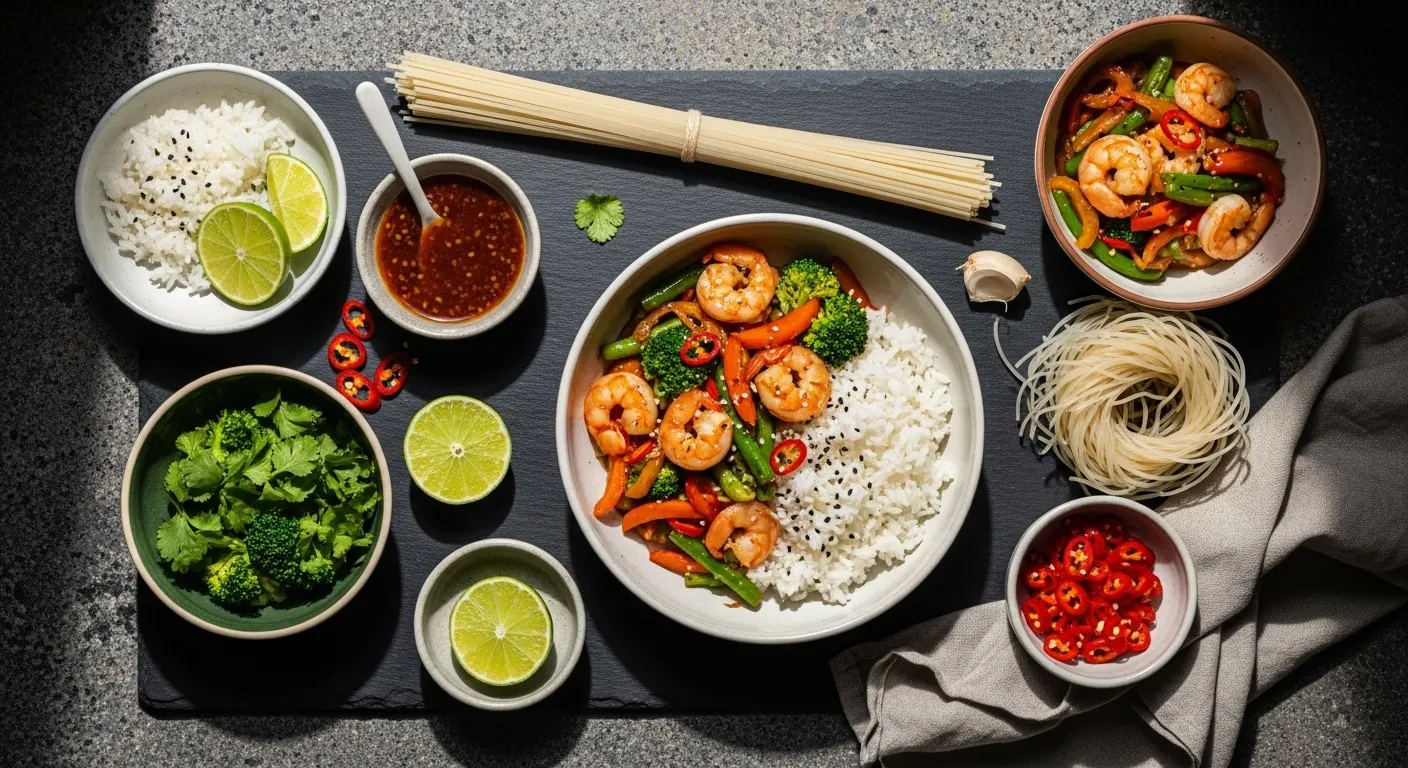
TL;DR: Yes, you can enjoy soy-free Asian food, but it takes some work. Soy sauce, tofu, miso, edamame, soybean oil, and soy lecithin show up in almost every category of Asian cuisine. Your safest path is home cooking with verified substitutes like coconut aminos. Restaurant and takeout orders carry real cross-contact risk that even well-meaning staff can't always rule out.
Quick Answer: Can Soy-Free Asian Food Actually Happen?
Technically, yes. Practically, it's complicated. Asian-inspired meals can absolutely be made without soy when you control the ingredients at home. But traditional Asian cuisines, especially Chinese, Japanese, and Korean, are built on a foundation of soy-based condiments and fermented pastes. So "soy-free Asian food" usually means you're recreating the flavors with different tools, not ordering off a standard menu and hoping for the best.
That's not a reason to give up. It's a reason to get strategic.
Why Soy Is Basically Everywhere in Asian Cuisines
Here's the thing: soy isn't just a condiment in many Asian cuisines. It's a foundational ingredient the way butter is in French cooking. Soy sauce, tamari, tofu, edamame, miso, doenjang (Korean fermented soybean paste), and doubanjiang (Chinese chili-bean paste) are all soy-based. And that's just the obvious stuff.
Soy shows up in forms that don't announce themselves:
- Soy lecithin: used as an emulsifier in packaged noodles, sauces, and snacks
- Soybean oil: a common frying oil at restaurants and in bottled sauces
- Hydrolyzed soy protein: found in broths, bouillon cubes, and pre-made marinades
- Miso: used in soups, glazes, dressings, and ramen broth
- Tofu and tempeh: obvious, but easy to miss in soups or braised dishes
- Edamame: whole soybeans, often a side dish or salad ingredient
- Oyster sauce and hoisin sauce: both typically contain soy sauce as a base ingredient
The FDA requires that soy be declared on food labels in the US when it's a major allergen, which helps with packaged products. But restaurant meals don't carry ingredient lists, and imported products sometimes have labeling differences worth double-checking.
Hidden Soy You Probably Aren't Checking For
Most people know to skip the soy sauce. Fewer people think to check the dumpling wrapper, the stir-fry oil, or the pre-marinated protein. Here's where soy hides in Asian-inspired cooking that catches people off guard.
- Dumpling and wonton wrappers: often contain soy flour or soy lecithin
- Pre-marinated proteins: restaurant chicken, beef, and pork are frequently soaked in soy sauce-based marinades before cooking
- Packaged broths and soup bases: many contain hydrolyzed soy protein or miso
- Fried rice: almost always made with soy sauce, even when it looks plain
- Lo mein and chow mein noodles: the noodles themselves are usually fine, but the sauce is almost always soy-based
- Teriyaki sauce: soy sauce is ingredient number one
- Fish sauce: most brands are soy-free, but some cheaper versions add soy or hydrolyzed soy protein, so check the label
- Packaged Asian snacks: crackers, chips, and rice cakes often contain soy lecithin or soy sauce powder
- Soybean oil in fryers: some people with soy allergies react to highly refined soybean oil, some don't. This is something to discuss with your allergist, not something to guess at in a restaurant.
The crazy part? Even foods that seem obviously soy-free, like plain steamed rice or a cucumber salad, can pick up soy through shared prep surfaces, sauces added during cooking, or garnishes added at the last second.
Cross-Contact and Restaurant Safety: The Part Most Guides Skip
I'm going to be straight with you here: most Asian restaurant kitchens are not set up to safely serve someone with a serious soy allergy. That's not a knock on the restaurants. It's just the reality of how these kitchens operate.
Shared Woks and Fryers
In a busy Chinese or Thai kitchen, the same wok that just cooked a soy-sauced dish gets a quick wipe and goes straight to your "no soy" order. Fryers cycle oil that has fried soy-marinated proteins all day. Cross-contact at this level is nearly impossible to prevent without a dedicated allergen-safe cooking station, which most restaurants don't have.
Pre-Made Sauces and Shared Prep
Many restaurant sauces are made in bulk at the start of service. If the base sauce contains soy, every dish that touches it carries soy. Staff may not know what's in the house sauce because they didn't make it. This isn't negligence; it's just how commercial kitchens work at scale.
Label Changes on Imported Products
If a restaurant uses imported sauces or condiments (which many do), the labeling standards may differ from FDA requirements. A sauce labeled as a specific flavor in another country might contain soy without clear English-language allergen declarations. At home, stick to products with clear US allergen labeling or verify directly with the manufacturer.
Bottom line: if you have a serious soy allergy or intolerance, home cooking with verified ingredients is the safest approach. Restaurants can be a reasonable option for mild sensitivities when you ask the right questions, but they're never a guarantee.
Soy-Free Sauce Swaps That Actually Work
Good news: the flavor profile of soy sauce (salty, savory, slightly sweet, umami-forward) is reproducible with other ingredients. You're not going to get an identical result, but you can get something that works well in stir-fries, marinades, and dipping sauces.
Coconut Aminos: The Go-To Soy Sauce Alternative
This is the go-to for most people avoiding soy. Coconut aminos is made from fermented coconut sap and has a similar salty-sweet depth to soy sauce, though it's a bit milder and slightly sweeter. It's naturally soy-free and gluten-free. Most major brands are made in dedicated facilities, but always check the current allergen statement on the manufacturer's website because formulations and facilities change. Note that coconut is a tree nut for some people's purposes, so if tree nuts are also a concern, check with your allergist.
Homemade Soy-Free "Soy Sauce"
The Nut Free Wok has a well-regarded recipe for a top-9-allergen-free soy sauce alternative using beef broth, balsamic vinegar, molasses, and a few other pantry staples. It's not identical to soy sauce, but it adds that dark, savory depth to dishes. Making it yourself means you control every ingredient, which is the safest approach for severe allergies.
Other Flavor Builders to Layer In
Beyond the soy sauce swap, Asian-inspired flavor comes from layering aromatics and condiments. These are typically soy-free (always verify individual brands):
- Fresh garlic and ginger: the backbone of most stir-fries
- Rice vinegar: adds brightness and tang
- Sesame oil: toasted sesame oil adds huge flavor in small amounts (note: sesame is a top-9 allergen)
- Chili garlic sauce or sambal: check labels, some contain soy
- Fish sauce: most brands are soy-free; adds deep umami (not appropriate for shellfish allergies or vegetarians)
- Lime and lemon juice: brightens and balances heavier flavors
- Tamarind paste: sour-sweet depth used in Thai and Indian cooking
- Unseasoned rice wine or dry sherry: adds complexity to sauces and braises
Asian-Inspired Meals That Are Easier to Make Soy-Free at Home
Some dishes are easier to adapt than others. Here's where to start.
Rice Bowls
A bowl of jasmine or brown rice with roasted vegetables, a soy-free protein (plain grilled chicken, beef, or shrimp), and a drizzle of coconut aminos mixed with garlic and ginger is genuinely delicious. Add sesame seeds if sesame is safe for you. Simple, adaptable, and completely under your control.
Soy-Free Stir-Fry
Use coconut aminos as your sauce base, add rice vinegar, a touch of fish sauce, fresh garlic and ginger, and a small amount of tapioca starch to thicken. Stir-fry vegetables and a clean protein in a pan you've used only with soy-free ingredients. The result is a solid weeknight meal that hits the same flavor notes as a takeout stir-fry.
Soups and Noodle Bowls
Pho-style soups use beef bone broth spiced with star anise, cinnamon, cloves, and ginger. Traditional pho broth is not soy-based, though restaurants often add soy sauce or hoisin at the table. At home, make your own broth and serve with rice noodles (most plain rice noodles are soy-free, but check the label). Skip the hoisin on the side unless you find a verified soy-free version.
Spring Rolls and Rice Paper Rolls
Rice paper wrappers are generally made from rice flour and water, making them naturally soy-free. Fill them with shrimp, fresh herbs, rice vermicelli, and vegetables. The dipping sauce is where soy usually sneaks in, so make a soy-free version with fish sauce, lime juice, a little sugar, and chili.
Curries and Rice Dishes
Thai red and green curries are often naturally soy-free when made with coconut milk, curry paste (check the label on the paste), and fish sauce. Many curry pastes are soy-free, but some add soy or have cross-contact warnings. Indian-style curries are generally lower risk for soy. Always verify the specific paste or spice blend you're using.
Cuisine-by-Cuisine Risk Breakdown
Not all Asian cuisines carry the same soy risk. Here's a quick read on where you're more or less likely to run into soy.
- Chinese: Highest risk. Soy sauce, oyster sauce, hoisin, doubanjiang, and tofu are central to the cuisine. Almost every savory dish in a Chinese restaurant involves soy at some stage.
- Japanese: Very high risk. Soy sauce (shoyu) and miso are foundational. Even sushi rice sometimes contains seasoned rice vinegar blended with soy. Tamari is often used as a gluten-free soy sauce alternative, but tamari is made from soy and is not soy-free.
- Korean: High risk. Doenjang (fermented soybean paste), ganjang (soy sauce), and gochujang (some versions contain soy) are staples. Grilled meats (galbi, bulgogi) are typically marinated in soy-based sauces.
- Thai: Moderate risk. Fish sauce is the primary savory condiment and is usually soy-free. Soy sauce is used but not as universally as in Chinese cooking. Coconut milk-based curries are lower risk. Check curry pastes and pre-made sauces.
- Vietnamese: Moderate risk. Fish sauce and fresh herbs drive most flavors. Soy sauce is used but less central. Pho broth is traditionally soy-free, though restaurants may add it. Banh mi often has soy-based sauces or spreads.
- Indian: Lower risk for soy specifically, though some processed sauces and ready meals contain soy protein. Traditional dal, curry, and rice dishes are generally soy-free.
Takeout Checklist: Questions to Ask Before You Order
I'll be honest: asking about soy at a busy restaurant is an uphill battle. But if you're going to try, these are the questions that actually matter.
- "Does this dish contain soy sauce or any soy-based sauce?" (Not just "does it have soy" because staff may not connect soy sauce to soy.)
- "Is the protein pre-marinated? What's in the marinade?"
- "Do you use soybean oil in your fryers or woks?"
- "Is there a risk of cross-contact with soy in your kitchen?"
- "Can you prepare this in a clean pan with no sauce, using only oil and salt?"
If a staff member can't answer these questions or seems uncertain, that's important information. A dish prepared with "no soy sauce added" in a kitchen where every other dish contains soy is still a cross-contact risk. For mild sensitivities, this might be acceptable. For a serious soy allergy, it may not be.
And get this: even if you get a confident "yes, it's soy-free" from a server, that answer is only as good as their knowledge of every ingredient in every sauce their kitchen uses. It's not a guarantee. Use your judgment based on your own sensitivity level.
| Substitute | Use Case | Soy-Free Status | Other Allergens to Note | Cross-Contact Risk | Best For | Where to buy |
|---|---|---|---|---|---|---|
| Coconut aminos | Direct soy sauce swap in stir-fries, marinades, dipping sauces | Typically soy-free; verify current manufacturer allergen statement | Coconut (tree nut for some) | Varies by brand; check facility statement | Stir-fries, rice bowls, dipping sauces | Amazonopen_in_new |
| Fish sauce (verified brand) | Umami depth in Thai, Vietnamese dishes | Most brands soy-free; some budget brands add soy protein — read the label | Fish (top allergen) | Low if made in dedicated fish sauce facility | Thai curries, pho, spring roll dipping sauce | Amazonopen_in_new |
| Homemade soy-free soy sauce | All-purpose soy sauce replacement | Fully soy-free when made at home with verified ingredients | Depends on recipe; beef broth versions not suitable for vegetarians | None (home kitchen) | Any dish calling for soy sauce | |
| Tamarind paste | Sour-sweet depth in sauces and marinades | Naturally soy-free | Generally none; check packaged versions for additives | Low | Thai dishes, pad thai-style sauces, glazes | Amazonopen_in_new |
| Rice vinegar | Brightness and tang in dressings and stir-fries | Naturally soy-free; verify seasoned versions (may contain additives) | None typically | Low | Dressings, dipping sauces, stir-fry finishing | Amazonopen_in_new |
| Sesame oil (toasted) | Finishing oil for flavor | Naturally soy-free | Sesame (top-9 allergen) | Varies by facility | Finishing stir-fries, noodle bowls, marinades | Amazonopen_in_new |
| Chili garlic sauce / sambal | Heat and complexity | Many brands soy-free; check label, some contain soy | Varies; some contain garlic, vinegar, sulfites | Varies by brand | Stir-fries, dipping sauces, noodle bowls | Amazonopen_in_new |
Scroll the table sideways for the rest of the columns
Always verify the current allergen statement directly with the manufacturer before purchasing. Formulations and production facilities change, and what was soy-free last year may not be today.
FAQs About Soy-Free Asian Food
Is coconut aminos soy-free?
Yes, coconut aminos is made from fermented coconut sap and contains no soy. It's one of the most popular soy sauce alternatives for people with soy allergies. That said, always check the current allergen statement from the specific brand you're buying, because facilities and formulations can change. Also note that coconut is classified as a tree nut by the FDA, so if tree nuts are a concern alongside soy, check with your allergist before using it.
Is tamari soy-free?
No. This is one of the most common misconceptions in the soy-free space. Tamari is a type of Japanese soy sauce that is typically made with little or no wheat, making it gluten-free. But it is still made from soybeans and contains soy. Tamari is not a safe choice for someone avoiding soy.
Are rice noodles soy-free?
Plain rice noodles are generally made from rice flour and water, with no soy ingredients. But always check the label on the specific package you're buying, because some brands add other ingredients or are processed in facilities that also handle soy. Restaurant rice noodle dishes carry additional risk because the sauce or broth they're cooked in often contains soy.
What Chinese dishes are least likely to contain soy?
This is a tough one because soy is so central to Chinese cooking. At home, plain steamed rice, plain steamed vegetables, and simply cooked proteins with no sauce are the safest starting points. In a restaurant, there are very few dishes you can order with confidence if you have a serious soy allergy, because even dishes with no obvious soy sauce typically involve shared woks, fryers, or pre-marinated proteins. Your best bet is to ask detailed questions and accept that cross-contact risk is almost always present.
Can I trust restaurant allergen menus for soy?
With caution. Allergen menus are a helpful starting point, but they have real limitations. They may not account for cross-contact from shared cooking surfaces, they may not be updated when recipes change, and staff may not always know what's in every house-made sauce or marinade. For a mild sensitivity, an allergen menu combined with direct questions to staff may be enough. For a serious soy allergy, treat restaurant allergen information as a starting point for conversation, not a safety guarantee.
You may also like
Soy-Free Snacks: Store-Bought Ideas, Brands, and Label-Checking Tips
Navigating soy-free snacks without buying something that secretly has soy in it is harder than it sounds. Here's how to shop smart, read labels right, and actually find snacks worth eating.
10 min read
Best Soy Free Cookies: Brands to Buy & Recipes to Bake
Finding soy free cookies is harder than it looks — soy lecithin hides in almost every chocolate chip on the shelf. Here's the brand list and baking guide you actually need.
9 min read
Soy Free Foods List: What You Can (and Can't) Eat
Most whole foods are naturally soy-free. The hard part is packaged food, where soy hides under a dozen different names. Here's exactly what to eat, what to skip, and what to double-check.
9 min read