
Soy Free Foods List: What You Can (and Can't) Eat
By SoyFreeSnacks Editorial Team
Allergy-aware writers, researchers, and home cooks · Updated June 3, 2026 · 9 min read
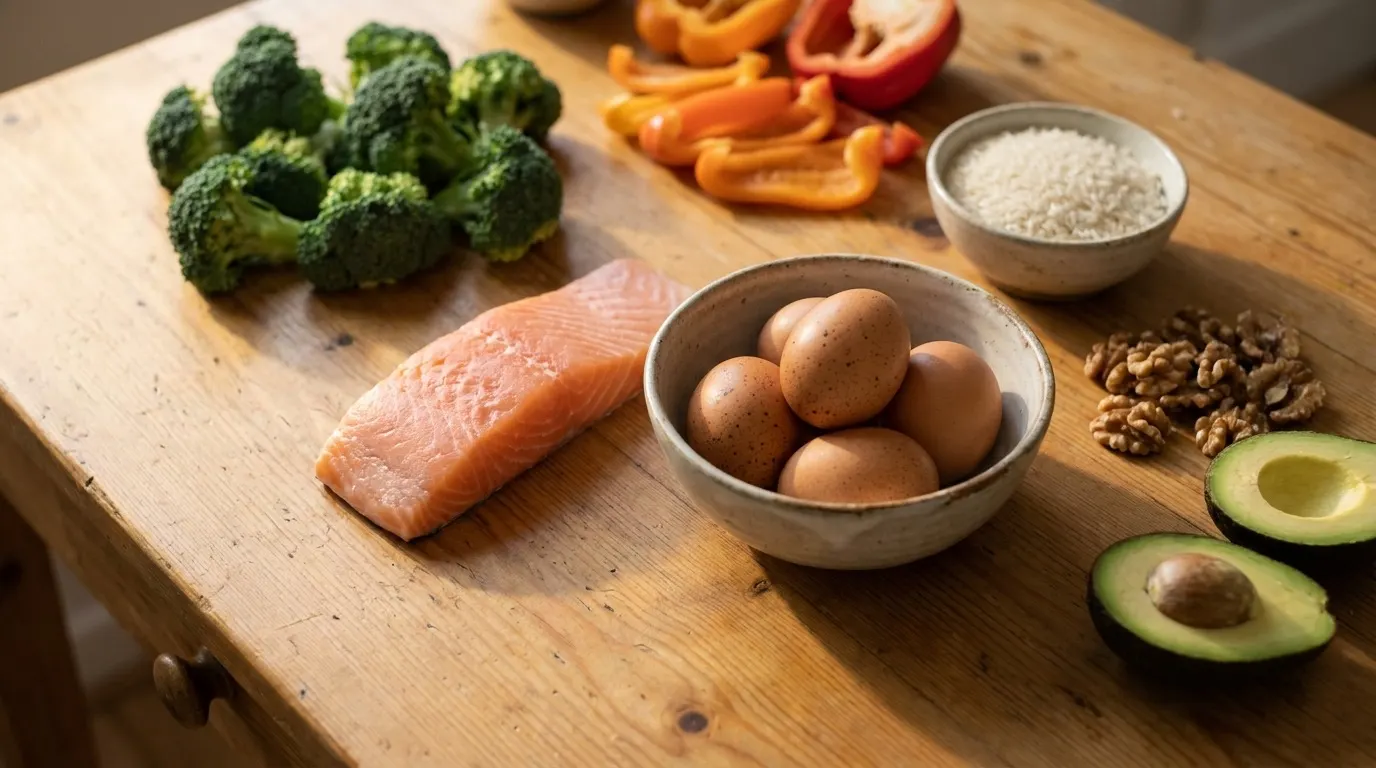
TL;DR: Most whole, unprocessed foods are naturally soy-free: fresh meat, fish, eggs, plain vegetables, fruit, rice, oats, and legumes other than soybeans. The challenge is packaged food, soy hides under names like hydrolyzed vegetable protein, textured vegetable protein, and lecithin. Always read the full ingredient label before buying.
I'm not going to bury the useful stuff. If you're managing a soy allergy or soy intolerance, or shopping for a kid who is, you need a clear, honest soy free foods list, not a hospital PDF written in 2009 that tells you to "avoid soy" and calls it a day. So let's get into it, category by category, with the hidden traps flagged clearly.
Disclaimer: This soy free foods list is for informational purposes only and is not medical advice. If you have a soy allergy, work with an allergist. Always read the current label before consuming, manufacturers can change formulations without notice. A product that was soy-free last year may not be now.
What Foods Are Naturally Soy-Free?
The good news: a huge chunk of the grocery store is naturally soy-free. The bad part is that as soon as something gets processed, seasoned, or packaged, all bets are off. Start with this core list as your soy free foods list foundation.
Fresh Meat, Poultry, Fish, and Shellfish
Plain, unmarinated chicken, beef, pork, lamb, turkey, salmon, shrimp, all naturally soy-free. The word "plain" is doing a lot of work there. Pre-marinated, seasoned, or injected meats are a completely different story. Many contain soy protein or soy sauce in the marinade. Buy plain cuts and season them yourself at home.
Eggs
Plain eggs are naturally soy-free. Egg substitutes and liquid egg products are not automatically soy-free, check the label on those every single time.
Plain Dairy
Plain cow's milk, butter, hard cheeses, and plain yogurt are soy-free per their current labels. Flavored, processed, or blended dairy products (think coffee creamers, processed cheese slices, flavored yogurts) frequently contain soy lecithin or soy protein. Verify the label on every one of those.
All Fresh Vegetables and Fruits
Every fresh, whole vegetable and fruit is soy-free. Broccoli, spinach, apples, blueberries, carrots, you're fine. Once they're canned, frozen with sauce, or pre-seasoned, check the label.
Plain Grains
Rice, oats, quinoa, corn, wheat, barley, millet, and teff in their plain forms are soy-free. Flavored oatmeal packets, seasoned rice mixes, and instant grain products often contain soy additives. Stick to plain, unflavored versions.
Legumes (Except Soybeans)
Lentils, chickpeas, black beans, kidney beans, pinto beans, all naturally soy-free. Edamame, tofu, tempeh, miso, and natto are soy. They are literally made of soybeans. Avoid them completely.
Plain Nuts and Seeds
Raw or dry-roasted nuts and seeds are soy-free per their current labels in most cases. Nuts roasted in oil blends or seasoned varieties can contain soy oil or soy-based flavorings. Read the label on anything that isn't just "plain roasted almonds" or similar.
Pure Oils
Olive oil, coconut oil, avocado oil, and sunflower oil are soy-free per their labels. Soybean oil is not soy-free. The FDA has an exemption for highly refined soybean oil, but if you have a soy allergy, avoid it anyway. It is not worth the risk.
| Food / Category | Soy Free Foods List Status | Notes |
|---|---|---|
Fresh chicken, beef, fish | Soy-free per current label (plain, unmarinated) | Pre-marinated or injected meats often contain soy — verify every time |
Eggs | Soy-free per current label (plain whole eggs) | Egg substitutes and liquid egg products — check label every time |
Plain rice, oats, quinoa | Soy-free per current label (unflavored) | Flavored or seasoned packets frequently contain soy additives |
Plain potato chips | Soy-free per current label (plain variety only) | Flavored chips and some plain varieties may use soy oil — check label |
Soy sauce / tamari | Avoid | Always contains soy — no exceptions |
Tofu / tempeh / edamame / miso | Avoid | Direct soy products — always avoid |
Canned tuna | Check label | Some brands add vegetable broth that may contain soy — verify with manufacturer |
Bread / crackers | Check label | Many contain soy flour or soy lecithin — read every label |
Chocolate / candy | Check label | Soy lecithin is an extremely common emulsifier in chocolate |
Cooking spray | Check label | Many use soy lecithin as a propellant — verify brand before every purchase |
Deli meats | Check label | Soy protein filler is common across many brands |
Soy lecithin | Check label — consult allergist | FDA-required allergen label under FALCPA; individual tolerance varies — your allergist decides, not this article |
Plain milk, butter, hard cheese | Soy-free per current label (plain versions) | Flavored or processed dairy — always check label |
Fresh vegetables and fruit | Soy-freewhole, unprocessed | Canned, frozen with sauce, or pre-seasoned versions — check label |
The Hidden Soy Free Foods List of Ingredients (Names You Need to Know)
This is where most people get tripped up. Soy doesn't always say "soy" on the label, or at least, it didn't used to. Under the FDA's Food Allergen Labeling and Consumer Protection Act (FALCPA), manufacturers are required to declare soy in plain language on US food labels. So you should see the word "soy" somewhere, either in the ingredient list or in a "Contains: Soy" statement. But knowing the full ingredient names still matters, because you need to recognize what you're looking at when you're standing in the aisle.
Here's your hidden soy ingredient decoder for the soy free foods list:
Hydrolyzed vegetable protein (HVP) / Hydrolyzed plant protein (HPP): Often soy-derived. If the label doesn't specify the source, contact the manufacturer and assume it contains soy until they confirm otherwise.
Textured vegetable protein (TVP): Almost always made from soy. Avoid it.
Soy lecithin: A processed soy derivative used as an emulsifier in hundreds of products. The FDA requires it to be labeled under FALCPA. Tolerance varies by individual, consult your allergist before deciding whether to include or exclude it. Until your allergist tells you otherwise, avoid it.
Miso, natto, tempeh, tofu, edamame: These are obvious soy forms, but worth listing because they show up in restaurant dishes without being called out clearly.
Kinako: Roasted soybean flour, common in Japanese and Asian-inspired foods. Contains soy. Avoid it.
Tamari: Often marketed as a "wheat-free" soy sauce alternative, but it is absolutely not soy-free. It is made from soybeans. Avoid it.
Soy sauce: Always contains soy. No version of soy sauce is soy-free.
Vegetable broth (unspecified): Frequently contains soy. If it doesn't say "soy-free" or list specific soy-free vegetables, flag it and verify directly with the brand. Assume it contains soy until they confirm otherwise.
MSG (monosodium glutamate): Can be derived from soy. Not always, but verify the source with the manufacturer if you're reacting to something unexpectedly.
And get this: two ingredients people constantly flag as soy that are actually NOT soy — guar gum and gum arabic. Both are plant-derived thickeners, but neither comes from soybeans. You can stop worrying about those two. At least when it comes to soy.
Soy Free Foods List by Grocery Category
Walking the aisles is a different experience when you're building a soy free grocery list from scratch. Here's a quick category-by-category guide.
Bread and Crackers
Most commercial bread contains soy flour or soy lecithin. Plain rice cakes are a reliable option — verify the current label. Some crackers, like plain versions of certain whole-grain crackers, may be soy-free per their label, but this changes by brand and formulation. Read every label, every time.
Beverages
Plain cow's milk, 100% fruit juice, plain carbonated water, and plain coffee and tea are all naturally soy-free, and an easy add to the soy free foods list. Soy milk is obviously not. Oat milk, almond milk, and other plant-based milks are not automatically soy-free — some contain soy lecithin. Verify the label on every carton before buying.
Snacks
Plain potato chips, plain popcorn (air-popped or oil-popped without soy oil), and plain corn chips can be soy-free snacks, but "plain" is key. Flavored varieties frequently contain soy-based seasonings or soy oil. Plain rice cakes, fresh fruit, and raw nuts are your most reliably soy-free snack options when labels check out. These are the soy free snacks worth building your rotation around.
Condiments
Pure vinegars (apple cider, white, balsamic) are soy-free per their current labels in most cases. Plain yellow mustard is typically soy-free per current labels. Ketchup, mayonnaise, salad dressings, and hot sauces vary widely — read every label. Worcestershire sauce formulations differ by brand; some contain soy, some don't. Verify directly with the brand before using it.
Frozen Foods
High cross-contact risk category. Even products that don't list soy in the ingredients may be processed in facilities that handle soy extensively. Look for products with explicit soy-free labeling or reach out to the manufacturer to understand their facility practices. When in doubt, skip it.
Deli Meats
Soy protein is a common filler and binder in processed deli meats, hot dogs, and sausages. Check every brand individually; there's no blanket rule here. The same brand may have a soy-free turkey breast and a soy-containing chicken breast sitting in the same deli case.
Pasta
Plain semolina pasta is typically soy-free per current labels. Enriched pasta varieties and flavored or stuffed pastas (ravioli, tortellini) may contain soy, verify the label on enriched versions specifically.
Soy Free Foods List: Surprising Places Soy Hides (That Most People Miss)
The Google results you'll find when searching for a soy free foods list almost never cover this. And these are the sources that catch people completely off guard.
Cooking Sprays
Many non-stick cooking sprays use soy lecithin as a propellant and anti-sticking agent. You’ll rarely find them on any soy free foods list. Check the label on your cooking spray right now. If it lists soy lecithin, swap to a pure olive oil or avocado oil spray that lists only oil and possibly a propellant gas, and verify that version too.
Vitamin E Supplements
Vitamin E is frequently derived from soybean oil. If you're taking a vitamin E supplement or a multivitamin containing vitamin E, check the manufacturer's documentation on the source. Contact the company directly if the label doesn't specify. Do not assume it's soy-free.
Medications
Some medications use soy-based fillers or coatings. This is not something you can determine from a food label; it requires a conversation with your pharmacist. If you're having unexplained reactions and your diet seems clean, bring this up with your allergist and pharmacist as a next step.
Canned Tuna
Some canned tuna brands add vegetable broth to improve flavor and moisture. That vegetable broth is not always soy-free. Check the ingredient list specifically for "vegetable broth" and if it's listed without a soy-free specification, contact the manufacturer directly before buying. Assume it contains soy until they confirm otherwise.
Chocolate and Candy
Soy lecithin is one of the most common emulsifiers in chocolate production, and the reason many foods don’t end up on the soy free foods list. Dark chocolate, milk chocolate, chocolate chips, candy bars — a huge percentage of them contain soy lecithin. If you're buying chocolate, you need to read the label every single time. Formulations change, and a product that was soy-free per its label last year may not be now.
Infant Formula
Many infant formulas contain soy protein. If you're managing soy avoidance for an infant, this is a conversation to have with your pediatrician before making any formula changes. Do not swap formulas based on this article alone.
Soy-Free Protein Sources to Replace What You're Cutting
One of the real frustrations of going soy-free is that soy protein is in so many "healthy" and "high-protein" packaged foods. Protein bars, protein powders, meat alternatives — soy is everywhere in that space. Here's what actually works as a soy free protein source replacement.
Eggs: About 6g of protein per egg. Plain, whole eggs are naturally soy-free and one of the most versatile proteins you can build meals around.
Lentils: Approximately 18g of protein per cooked cup, per USDA FoodData Central data. Naturally soy-free and high in fiber. Red, green, or brown — all work.
Black beans: Approximately 15g of protein per cooked cup, per USDA FoodData Central. Check canned varieties for added ingredients — plain canned black beans in water are typically soy-free per the label.
Canned salmon or tuna: High protein, naturally soy-free in plain water-packed versions. Verify the current label — some brands add vegetable broth (see above).
Plain Greek yogurt (if dairy is tolerated): Around 17g of protein per cup. Plain, unflavored versions are typically soy-free per the label. Flavored varieties — check the label every time.
Hemp seeds: A complete protein containing all essential amino acids, naturally soy-free. Easy to add to oatmeal, salads, or smoothies.
Plain nuts and nut butters: Good protein contribution alongside healthy fats. Verify that nut butters don't contain soy oil or soy lecithin — some do.
The crazy part? Most protein powders — including ones marketed as "natural" or "clean" — contain soy protein isolate or face significant cross-contact risk from shared manufacturing lines. Verify every protein powder directly with the manufacturer before buying. Do not assume it's soy-free because it says "plant-based."
How to Read a Label for Soy (Step-by-Step)
Under FALCPA, the FDA requires that soy be declared in plain language on US food labels. That means you should see the word "soy" somewhere on the label if it's a direct ingredient. But the process isn't as simple as scanning for one word. Here's how to actually do it.
Read the full ingredient list: Go word by word. Look for soy, soya, soybean, soy lecithin, soy protein, hydrolyzed soy protein, soy flour, soy sauce, tamari, miso, tempeh, tofu, edamame, textured vegetable protein (TVP), and hydrolyzed vegetable protein (HVP) without a specified non-soy source.
Check the "Contains" allergen statement: Under FALCPA, if soy is a direct ingredient, it must appear here. If the "Contains" statement says "soy," the product contains soy. Full stop.
Look for "may contain" or "processed in a facility with soy": These are voluntary cross-contact warnings. The manufacturer is not required to include them, so their absence doesn't mean the product is cross-contact free. It means they chose not to label it. For a severe soy allergy, contact the manufacturer directly to understand their facility practices.
Look for soy-free certification: Some brands carry third-party soy-free or allergen-free certifications. These indicate a higher level of verification than a standard label claim, though they don't replace your own label check.
Re-check regularly: Formulations change without fanfare. A product that was soy-free per its label six months ago may have a new formulation today. Re-check labels on products you buy regularly, especially if you start noticing reactions to something familiar.
When in doubt, contact the manufacturer directly: Call or email the brand. Ask specifically whether the product contains any soy ingredients and whether it's manufactured in a facility or on shared equipment with soy. Get a specific answer, not a generic response.
I checked the numbers, and honestly, the FALCPA requirement is genuinely useful here, it means the word "soy" should appear on the label in plain language if it's in there. But cross-contact warnings are still voluntary, which is the gap that catches people with severe allergies off guard.
Eating Out Soy-Free: What to Ask
No competitor article I've seen covers this part of soy free eating out. And it's one of the hardest parts of a soy free diet in real life.
Asian Cuisines Are the Highest-Risk Category
Chinese, Japanese, Korean, and Thai restaurants use soy sauce as a foundational ingredient, in marinades, stir-fry oils, sauces, and broths. It's not a garnish; it's structural to the cuisine. Eating at these restaurants requires very specific communication with staff, and even then, cross-contact risk is high. Go in with eyes open and ask very specific questions before ordering.
What to Actually Say
Don't say "I'm trying to avoid soy." Say "I have a soy allergy." The word allergy triggers a different response in most kitchens than "preference" does. Then ask specifically: "Does this dish contain soy sauce, soy protein, tofu, or tempeh?" Ask about the marinade on grilled proteins. Ask what oil is used in the fryer or on the grill.
Safest Restaurant Orders
Plain grilled proteins with no marinade and steamed vegetables with no sauce are your safest restaurant options. Ask for sauces and dressings on the side and verify each one. At fast food restaurants, most fryer oils and burger buns contain soy; ask to see the allergen information, which most chains are required to provide.
Cross-Contact in Restaurant Kitchens
Even if a dish doesn't contain soy as an ingredient, it can be cross-contacted through shared cooking surfaces, shared fryer oil, or utensils used across dishes. Informing staff of your allergy gives the kitchen an opportunity to take precautions. It doesn't guarantee anything, but it's the best tool you have when eating out.
Reminder: Cross-contact risk varies by manufacturer and facility. Contact the brand directly if you have a severe allergy. This article is for informational purposes only and is not medical advice. Always read the current label before consuming, formulations change without notice.
FAQs
What foods have no soy in them?
Foods naturally free of soy include: fresh meat, poultry, and fish (plain, unmarinated); eggs; plain dairy like milk, butter, and hard cheese; all fresh vegetables and fruits; plain grains like rice, oats, and quinoa; legumes other than soybeans (lentils, black beans, chickpeas); and plain nuts and seeds. Always verify packaged versions with a current label before buying. Formulations change.
Does pasta have soy in it?
Plain semolina pasta typically does not contain soy and is soy-free per most current labels. Enriched pasta varieties, flavored pastas, and stuffed pastas like ravioli or tortellini may contain soy ingredients. Check the label on enriched versions specifically, as the enrichment blend can include soy-derived components.
What can I eat on a dairy and soy-free diet?
Plain meats, fish, eggs, all fresh vegetables, all fresh fruits, plain grains (rice, oats, quinoa, corn, barley), and legumes other than soybeans are all naturally dairy and soy-free. Hemp seeds, plain nuts, and pure oils like olive and avocado oil also work well. For packaged dairy and soy free foods, read every label, both allergens hide in a lot of processed products.
What are the best soy-free snacks?
On the soy free foods list for snacks: plain popcorn, plain potato chips (verify the oil used), plain rice cakes, fresh fruit, and plain raw or dry-roasted nuts are your most reliable soy-free snack options when the current label checks out. Avoid flavored varieties of any of these until you've read the label — soy-based seasonings and soy oil show up frequently in snack foods.
Is soy lecithin something I need to avoid if I have a soy allergy?
Individual tolerance to soy lecithin varies. The FDA requires soy lecithin to be labeled as an allergen under FALCPA, which means you'll see it on the label. Whether you can tolerate it is a question for your allergist, not a food blog. Until your allergist tells you otherwise, avoid it and flag it when you see it on a label.
How do I avoid soy in my diet?
Read every label every time, know the full list of hidden soy ingredient names (hydrolyzed vegetable protein, textured vegetable protein, soy lecithin, miso, tamari, and others listed above), contact manufacturers when you're uncertain, and build your diet around whole, unprocessed foods where possible. Re-check labels on products you buy regularly. Formulations change without announcement.
What are the first signs of soy intolerance?
Symptoms can include digestive upset, hives, or swelling, but reactions vary significantly from person to person. This is not a diagnosis tool. If you suspect soy intolerance or a soy allergy, see a doctor or allergist for proper testing and diagnosis. Do not use this article to self-diagnose.
Are there soy-free foods at Walmart?
Yes, you can find a whole soy free foods list for just Walmart alone. Plain produce, plain fresh meats, plain rice, oats, and some crackers and chips at Walmart can be soy-free per their current labels. The same rules apply: read the current label on every product, every time. "Soy-free" isn't a permanent status on packaged food — it's only accurate as of the label you're reading right now.
You may also like
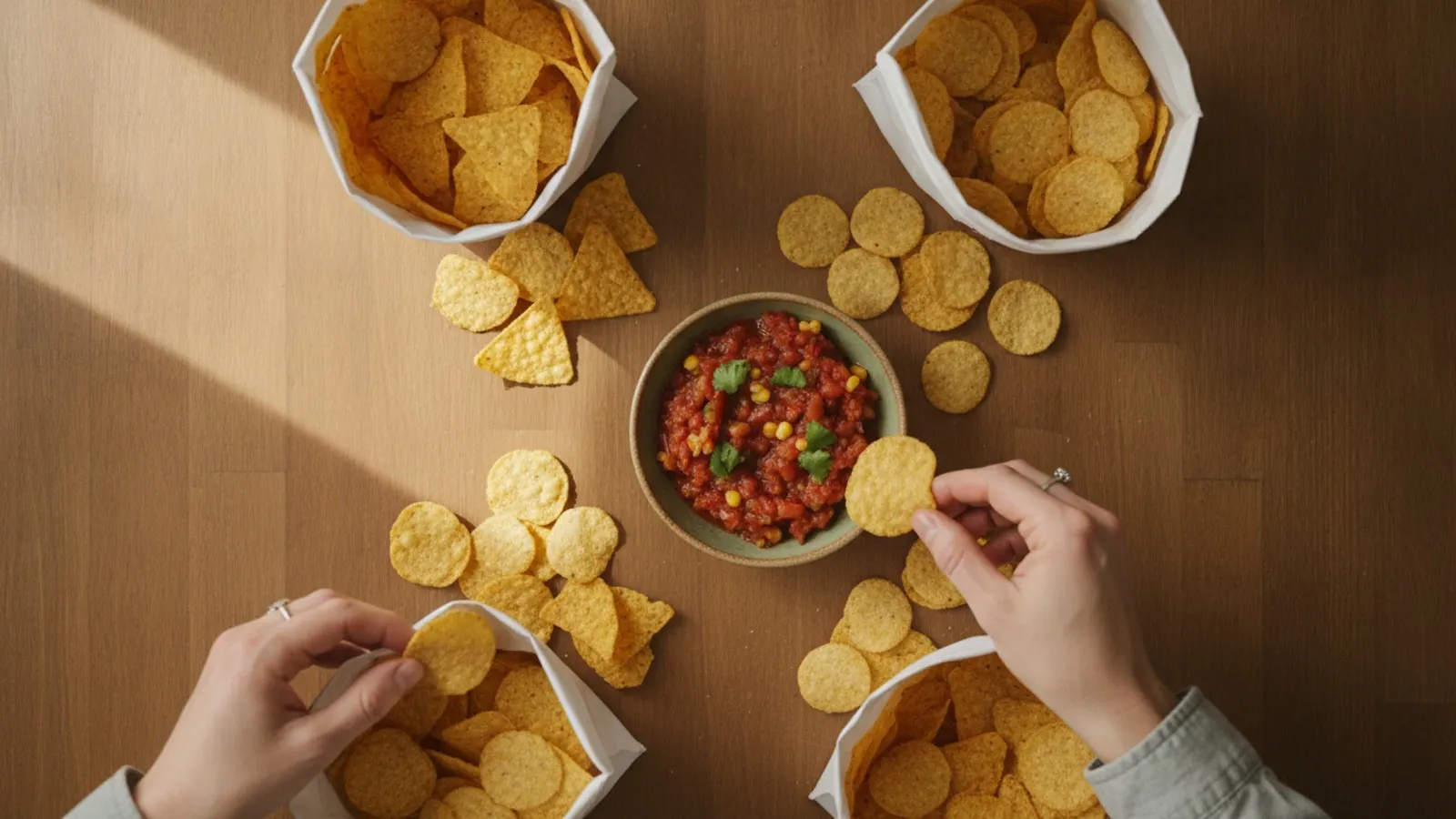
Best Soy Free Tortilla Chips: Brands You Can Actually Trust
I broke down the ingredient lists so you don't have to: here's exactly where soy hides in tortilla chips and which brands skip it entirely.
7 min read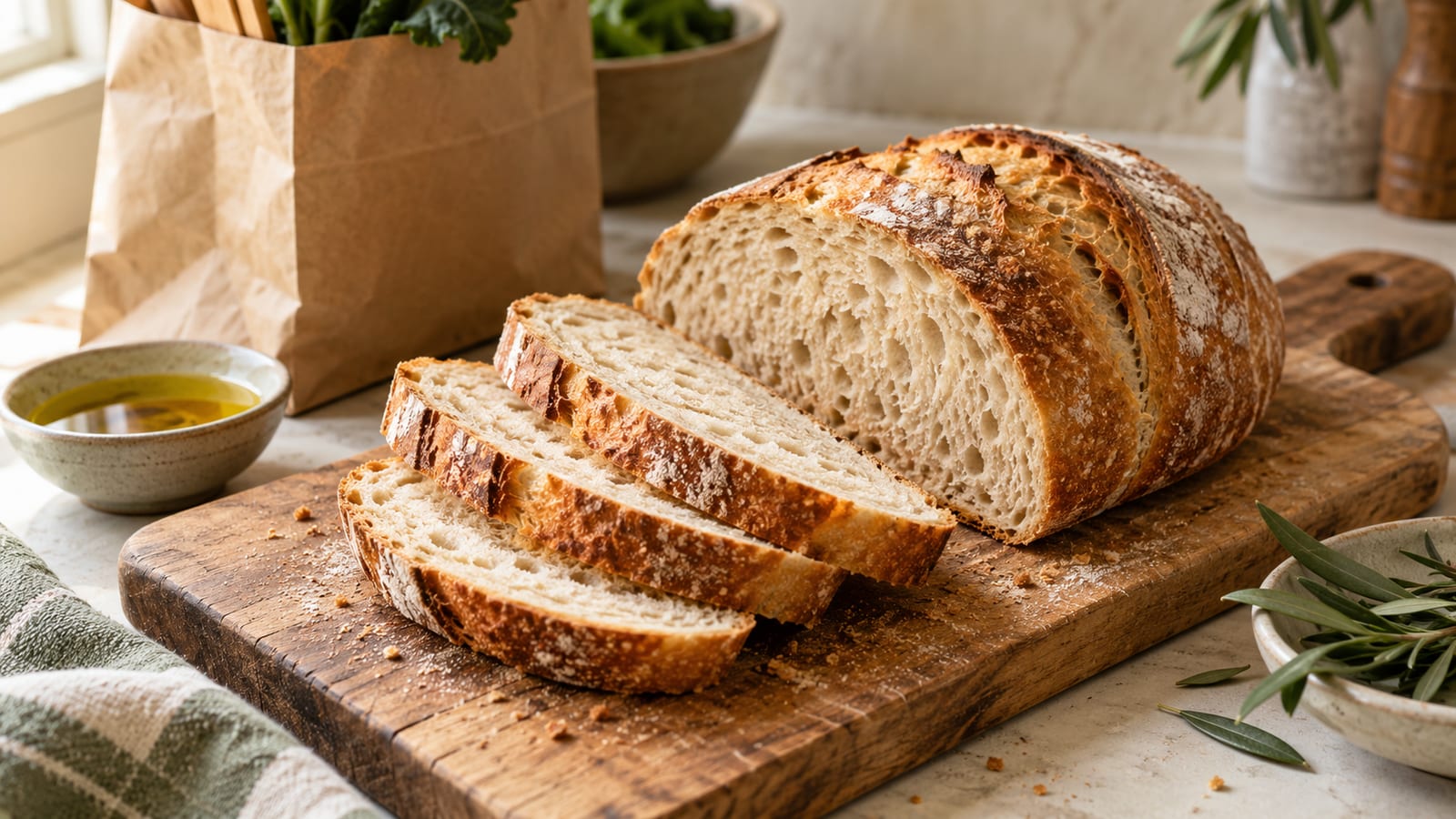
Best Soy Free Bread Brands You Can Buy in 2026
Five soy-free bread picks make the cut, but the claim behind each loaf matters. Here's what the labels say, what the factories don't, and where to look.
10 min read
Best Soy-Free Pretzels: Brands You Can Actually Trust
Finding soy-free pretzels that you can actually trust takes more than a quick label scan. Here's the verified brand list, the hidden soy red flags, and the cross-contact questions no one else is answering.
8 min read