
How to Live Soy Free: The Complete 2026 Guide
By SoyFreeSnacks Editorial Team
Allergy-aware writers, researchers, and home cooks · Updated June 4, 2026 · 12 min read
TL;DR: Living soy free means cutting soybeans and every derivative, soy sauce, tofu, edamame, hydrolyzed soy protein, and dozens of hidden additives, from your diet. Focus on whole, unprocessed foods, read every label, and always verify with your allergist before adding new packaged products.
This article is for informational purposes only and is not medical advice. If you have a soy allergy, work with an allergist to determine what is right for your specific situation.
I'll be straight with you: soy is one of the most annoying allergens to avoid. Not because it's rare, but because it's everywhere. Bread. Canned soup. Chocolate. Vitamins. Your face lotion. This how to live soy free guide exists because figuring it all out shouldn't require a medical degree or three hours of Googling. Learning how to live soy free is less about willpower and more about building a new set of habits around reading, asking questions, and trusting nothing at face value.
We cover every angle here: hidden ingredient names, a step-by-step label-reading workflow, restaurant scripts, nutrient gaps, and a two-week meal framework to get you started without losing your mind. Let's get into it.
What Does Living Soy Free Actually Mean?
It means removing soybeans and every product derived from them. That sounds straightforward. It is not. Soy derivatives show up under more than 30 different ingredient names, and many of them sound nothing like soy.
Soy is one of the top 9 FDA-recognized allergens under the Food Allergen Labeling and Consumer Protection Act (FALCPA). That law requires manufacturers to declare soy in plain language on labels. The keyword there is "plain language", it still has to appear somewhere, but not always where you expect it.
There's also a difference worth knowing upfront:
- Soy allergy: An immune response, IgE-mediated or non-IgE. Can range from hives and digestive distress to anaphylaxis. Requires allergist management.
- Soy intolerance: Digestive symptoms without an immune response. Still worth taking seriously, but a different clinical picture.
- Personal avoidance: No medical diagnosis, but choosing to eliminate soy for dietary, ethical, or other reasons.
Which camp you're in affects how strict you need to be. If you have a diagnosed soy allergy, cross-contact matters as much as direct ingredients. If you're avoiding soy by preference, your risk threshold is different. Either way, your allergist or doctor draws that line, not me, and not this article.
Every Soy Ingredient Name You Need to Know
This is the master list for your soy free diet guide. Print it. Screenshot it. Keep it in your wallet. The hidden soy ingredients list starts with knowing what you're actually scanning for.
The obvious ones most people know: edamame, tofu, bean curd, tempeh, miso, soy sauce, soy milk, soy yogurt, soy cheese, soy flour, soy protein isolate, soy protein concentrate.
The sneaky ones that trip people up constantly:
- Hydrolyzed soy protein (HSP), shows up in soups, broths, seasoning packets, and deli meats. Avoid it.
- Textured vegetable protein (TVP), a soy product used in meat substitutes and veggie burgers. Avoid it.
- Soy lecithin, an emulsifier in chocolate, baked goods, margarine, and supplements. It contains soy. Avoid it unless your allergist has specifically cleared it for you.
- Tamari, marketed heavily as a gluten-free soy sauce alternative, but it is typically made from soy. Avoid it.
- Natto, fermented soybeans, popular in Japanese cuisine. Avoid it.
- Okara, soy pulp used in some baked goods and meat extenders. Avoid it.
- Yuba, tofu skin, used in Asian cooking. Avoid it.
- Kinako, roasted soy flour used in Japanese sweets. Avoid it.
And the ambiguous ones where you have to dig deeper:
- "Natural flavoring", can legally contain soy-derived compounds. Contact the manufacturer directly. Assume it contains soy until they confirm otherwise.
- "Vegetable broth" or "vegetable stock", frequently made with soy. Verify the label or call the brand. Assume it contains soy until confirmed.
- "Vegetable oil", may be partially or fully soybean oil. If the label doesn't specify the source, assume it could contain soy and verify directly with the brand.
- MSG (monosodium glutamate), can be derived from soy. Not always disclosed by source. Verify with the manufacturer.
The crazy part? FALCPA requires soy disclosure, but "natural flavoring" with a soy derivative still technically satisfies that requirement if "soy" appears somewhere in the label. Always read the full ingredient list, not just the "Contains" box.
| Ingredient Name | Where It Commonly Appears | Risk Level |
|---|---|---|
| Hydrolyzed soy protein (HSP) | Soups, broths, seasoning packets, deli meats | High, avoid |
| Textured vegetable protein (TVP) | Meat substitutes, veggie burgers, taco fillings | High, avoid |
| Soy lecithin | Chocolate, baked goods, margarine, supplements | Contains soy, avoid unless allergist clears it for you specifically |
| Miso | Dressings, marinades, soups, glazes | High, avoid |
| Tamari | Sauces, dressings marketed as gluten-free | High, avoid |
| Tofu / bean curd | Stir-fries, smoothies, desserts, soups | High, avoid |
| Edamame | Salads, appetizers, frozen meals | High, avoid |
| Soy flour | Breads, baked goods, pasta, coatings | High, avoid |
| Natural flavoring | Packaged snacks, beverages, condiments | Uncertain, contact manufacturer, assume contains soy until confirmed otherwise |
| Vegetable broth / stock | Soups, rice dishes, sauces, gravies | Uncertain, verify label or call brand, assume contains soy until confirmed |
| Vegetable oil (unspecified) | Packaged foods, restaurant cooking oils | Uncertain, verify source, assume contains soy until confirmed |
| MSG (monosodium glutamate) | Seasoning packets, chips, fast food | Uncertain, source not always disclosed, verify with manufacturer |
Always read the current label before consuming. Manufacturers can change formulations without notice. A product that was soy-free per its label last year may not be now.
How to Read a Food Label for Soy (Step by Step)
Here's the soy free label reading workflow I use every single time. In order. Don't skip steps.
- Check the "Contains" allergen statement first. It's the fastest screen. If it says "Contains: Soy", put it back. Done.
- Scan the full ingredient list. Even if "soy" isn't in the "Contains" box, it may appear in the ingredient list under a derivative name. Use the master list above.
- Look for precautionary allergen labeling (PAL). Phrases like "May contain soy," "Processed in a facility with soy," or "Made on shared equipment with soy" are voluntary, manufacturers aren't required to include them. If you see one and you have a severe soy allergy, treat the product as containing soy. Verify directly with the brand before consuming.
- Check ambiguous ingredients. See "natural flavoring," "vegetable broth," or "vegetable oil" without a source? Contact the manufacturer before buying. Most brands have a customer service number or email on the label. Use it. Assume the ingredient contains soy until they confirm otherwise.
- Re-check regularly. Formulations change. A product that was soy-free per its label six months ago may have switched suppliers since. If you buy something regularly, re-read the label every few months. This is not paranoia, it's just how food manufacturing works.
And get this: FALCPA covers the 50 US states, but if you're buying imported products or shopping internationally, those labeling rules may not apply. Extra scrutiny required.
Foods That Are Naturally Soy Free
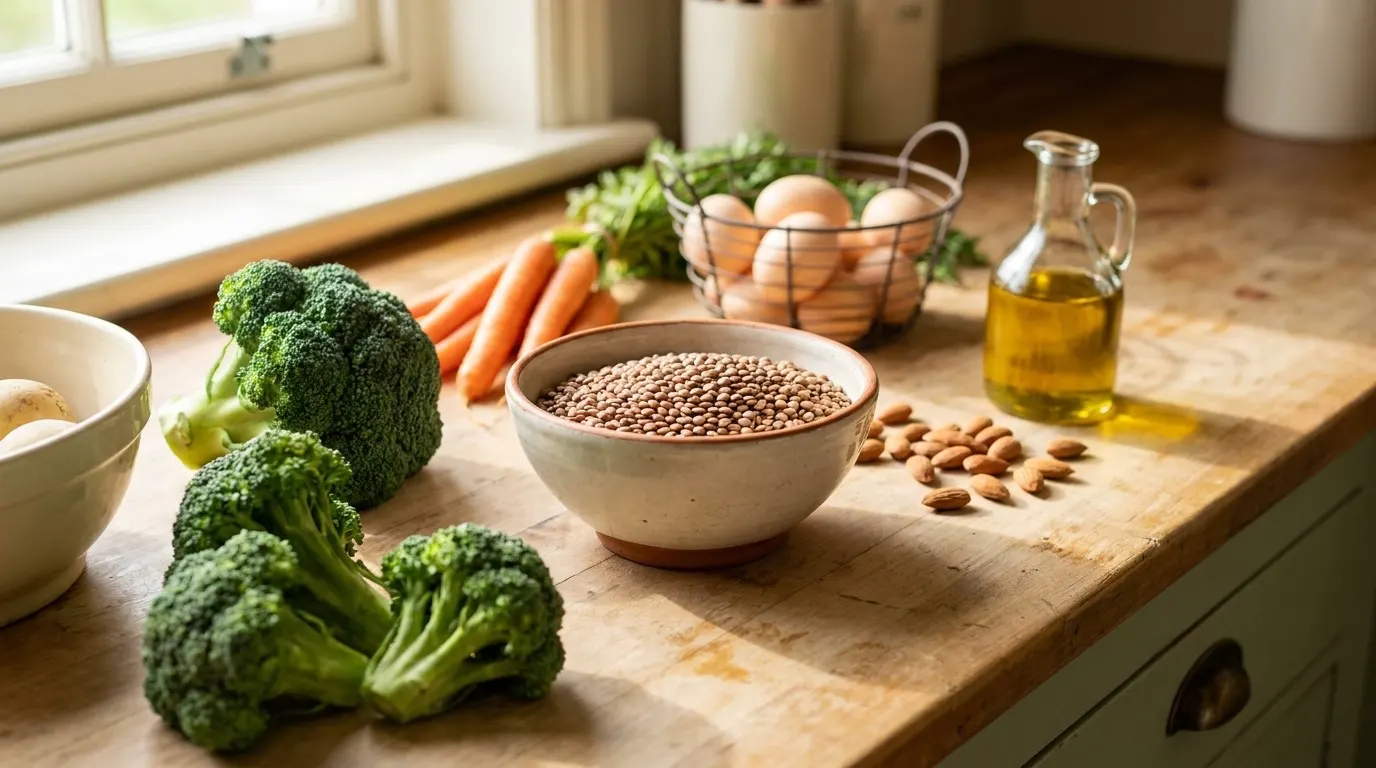
Good news: the soy free foods list is actually long. Most whole, single-ingredient foods are completely fine. Build your diet around these and you're starting from a solid base.
- Fresh meat, poultry, and fish, unprocessed and unmarinated. The moment something is seasoned, breaded, or marinated, verify the ingredients.
- Fresh fruits and vegetables, all of them, in their natural state. No label required.
- Plain dairy: milk, hard cheeses, butter, cream, and eggs. Most are naturally soy-free per their labels, but check flavored or processed dairy products (flavored yogurts, cream cheese spreads, coffee creamers) for soy lecithin or other additives.
- Whole grains: plain rice, oats, quinoa, corn, millet, and barley. Avoid flavored packets and seasoned mixes, those frequently contain soy-derived ingredients.
- Legumes other than soybeans: lentils, chickpeas, black beans, kidney beans, pinto beans. Great soy free protein sources and naturally soy-free.
- Plain nuts and seeds: almonds, walnuts, cashews, pumpkin seeds, sunflower seeds. Avoid mixed roasted varieties that may use soy oil blends in the coating.
- Oils with clear sourcing: olive oil, coconut oil, avocado oil, and pure sunflower oil are soy-free per their labels. "Vegetable oil" without a source declaration, verify before using, and assume it contains soy until the brand confirms otherwise.
The pattern here is simple: the less processed a food is, the less likely it contains soy. That's not a rule you can rely on blindly, but it's a useful mental shortcut when you're navigating a grocery store.
Soy-Free Swaps for Common Soy-Heavy Foods
This is where the soy free substitutes question gets practical. Most soy-heavy foods have workable alternatives. Some swaps are nearly identical. Others are just "close enough."
- Soy sauce: Coconut aminos is the go-to coconut aminos soy sauce substitute. It's slightly sweeter and less salty, but works in most recipes. Verify the specific brand's label and facility practices, not all coconut aminos products are made the same way. Fish sauce is another option if you eat seafood.
- Tofu: Chickpea tofu (made from chickpea flour) has a similar texture and works in stir-fries. Paneer works well in curries. Extra-firm white beans can substitute in some blended applications.
- Soy milk: Oat milk, almond milk, and coconut milk are the most widely available alternatives. Verify the label on each, some brands add soy lecithin as an emulsifier. Soy lecithin is a soy-containing ingredient, so a plant milk with soy lecithin is not soy-free. Read carefully.
- Edamame: Shelled peas or lupini beans work as a snack swap. Not identical, but they fill the same "something to pop in your mouth" role.
- Miso: Chickpea miso exists and is soy-free per most current labels. Soy-free fermented pastes made from chickpeas or adzuki beans are increasingly available. Verify the label before buying, and re-verify periodically since formulations change.
- Tempeh: Honestly, there's no perfect swap. Tempeh's fermented, chewy texture is unique. For similar bite and protein, try thick-sliced portobello mushrooms or lentil-based patties.
- Vegetable broth: Make your own from vegetable scraps and water, or find a brand that explicitly states "soy-free" on the label. Verify directly with the manufacturer if you're unsure. Assume any unverified vegetable broth contains soy.
Eating Out Soy Free: What to Say and Where to Go
Restaurants are where soy allergy management gets genuinely difficult. The kitchen may not know what's in every ingredient they use. Sauces, marinades, and cooking oils are all potential hidden sources.
Highest-risk cuisines: Chinese, Japanese, Korean, Thai, and Vietnamese restaurants use soy sauce as a foundational ingredient in nearly everything. Cross-contact risk is extremely high even for dishes that don't obviously contain soy. I'm not saying never eat at these restaurants, but go in with eyes open and communicate clearly.
Safest restaurant bets: Steakhouses (plain grilled meat, no marinades), seafood grills (plain fish, no sauces), and farm-to-table restaurants that cook from scratch and can actually tell you what's in each dish. These kitchens are more likely to be able to answer your questions accurately.
The exact questions to ask your server:
- "Does this dish contain soy sauce, tofu, edamame, miso, or any soy-based ingredient?"
- "Is there a soy-based oil used for cooking, like soybean oil or a vegetable oil blend?"
- "Can this be prepared on a clean surface with dedicated utensils that haven't touched soy-containing foods?"
- "Can I speak with the chef or kitchen manager about my soy allergy before ordering?"
If the server seems uncertain or dismissive, that's useful information. A kitchen that can't answer these questions confidently is a kitchen where cross-contact risk is high. Anything ambiguous, verify directly with the restaurant, and assume the dish contains soy until they confirm otherwise.
Fast food: Most fried items at fast-food restaurants are cooked in soybean oil or a soy-containing oil blend. Ask for the ingredient sheet before ordering, most chains are required to provide one. Anything ambiguous on that sheet? Assume it contains soy and verify directly with the brand before eating. Do not rely on staff to know the oil composition off the top of their heads.
Carry an allergy card. A small card listing all soy ingredient names, or even just the key ones, that you hand to your server and the kitchen is worth its weight in gold. You can print one from this article's master list. Clear, written communication reduces the chance of a misunderstanding.
Soy in Non-Food Products: Supplements, Meds, and Cosmetics
This is the section most guides skip. And it matters, especially if you have a severe soy allergy.
Supplements and vitamins: Soy lecithin is a common excipient (inactive ingredient) in vitamin capsules, fish oil softgels, and many supplement products. It acts as a filler or coating agent. Soy lecithin is a soy-containing ingredient, avoid supplements that list it unless your allergist has specifically cleared it. Check the "Other Ingredients" section of any supplement label, it's where excipients are listed.
Infant formula: Soy-based infant formulas exist and are widely used. If you're choosing formula for a soy-allergic infant, verify with your pediatrician before switching or continuing any formula. This is not a decision to make based on a blog post.
Medications: Some prescription and over-the-counter medications use soy-derived excipients in their coatings or capsule shells. Ask your pharmacist specifically about soy in any medication you're prescribed. They can look up the full inactive ingredient list.
Cosmetics and personal care: Soy-derived ingredients appear in lotions, lip balms, shampoos, and conditioners. Look for terms like "soybean oil," "hydrolyzed soy protein," or "glycine soja" (the botanical name for soybean) on ingredient labels. The severity of a reaction to topical soy varies significantly by individual. Consult your allergist about your specific risk level before making decisions about personal care products.
Nutrient Gaps to Watch When You Go Soy Free
Soy is a complete protein, meaning it contains all 9 essential amino acids. When you remove it, you need to be intentional about replacing what it was contributing to your diet. Here's where to focus:
Protein: Soy free protein sources that cover all 9 essential amino acids include meat, fish, eggs, and quinoa. Legumes like lentils and chickpeas are excellent protein sources but are not complete proteins on their own. Pair them with grains across the day to cover the full amino acid profile.
Calcium: If you're also dairy-free (a common pairing), you'll need to replace calcium from other sources. Options include fortified oat milk or almond milk (verify the label, some contain soy lecithin, which is a soy-containing ingredient, avoid those), leafy greens like kale and bok choy, canned sardines with bones, and fortified cereals.
Iron: Red meat is the most bioavailable source. Plant-based iron sources include lentils, pumpkin seeds, and fortified cereals. Pair plant iron sources with vitamin C-rich foods to improve absorption.
I checked the numbers, and honestly, most people removing soy from a varied diet don't end up with a dramatic nutrient gap, especially if they eat meat, fish, and eggs. The gap becomes more significant if you're also removing dairy, gluten, or other food groups simultaneously. If you're doing a multi-allergen elimination diet, work with a registered dietitian. That's not optional advice, it's genuinely important for long-term health.
Your First Two Weeks Soy Free: A Simple Meal Framework
The first two weeks are the hardest. Not because eating soy free is complicated once you know the rules, but because the learning curve hits all at once. Here's how to make it manageable.
Week 1: Whole foods only. Cook exclusively from single-ingredient foods. No packaged products except plain oils, plain grains, and plain dairy. This removes the label-reading burden entirely while you get your footing.
Sample Week 1 ideas:
- Breakfast: Scrambled eggs with vegetables; plain oatmeal with fresh fruit; Greek yogurt with berries and pumpkin seeds (verify yogurt label, re-verify each time you buy)
- Lunch: Grilled chicken over mixed greens with olive oil and lemon; rice bowl with black beans, avocado, and salsa; tuna salad on rice cakes (verify canned tuna label, some brands use soy-containing broth, avoid those)
- Dinner: Baked salmon with roasted vegetables and plain rice; ground beef stir-fry with coconut aminos (verify label per current formulation) and broccoli over rice; lentil soup made from scratch with verified soy-free broth or plain water
- Snacks: Fresh fruit; plain almonds or walnuts; sliced vegetables with hummus (verify hummus label)
Week 2: Introduce one vetted packaged product at a time. Pick one packaged item, a bread, a cracker, a condiment, read the label using the step-by-step workflow above, verify it's soy-free per the current label, and add it to your rotation. One product per day maximum. This way, if you have a reaction, you know exactly what to investigate.
The snack aisle is where people run into trouble fastest. Check out our soy-free snack roundups for vetted options that have already been screened for hidden soy ingredients.
By the end of week two, you'll have a solid list of go-to meals and a handful of packaged products you trust. That's the foundation. Everything else builds from there.
Reminder: ingredient formulations change. Always verify the current label before consuming, even for products you've bought before. This applies to everything on your list.
FAQs
Is soy lecithin soy-free if I have a soy allergy?
No. Soy lecithin is derived from soy. It is highly processed, and some allergists note that tolerance varies among soy-allergic individuals, but that determination belongs to your allergist, not a label claim. Until your allergist tells you otherwise, treat soy lecithin as a soy-containing ingredient and avoid it.
What foods are surprisingly high in hidden soy?
Canned tuna (some brands use soy-containing broth), sliced bread, deli meats, protein bars, and fast-food fries cooked in soybean oil are the ones that catch people most off guard. Always check the full ingredient list, not just the "Contains" statement. Verify with the brand if anything is ambiguous.
Can I eat at Asian restaurants if I'm soy free?
The cross-contact risk is high. Soy sauce is foundational in Chinese, Japanese, Thai, Korean, and Vietnamese cooking, and it gets into everything: marinades, sauces, cooking oils, and wok residue. You can try, but communicate your allergy clearly, ask the specific questions listed above, and understand that cross-contact may still occur even with the best intentions. Assume any dish is soy-containing until the kitchen confirms otherwise.
Is coconut aminos a reliable soy sauce substitute?
Coconut aminos is soy-free per most current labels and works well as a soy sauce substitute in cooking. That said, verify the specific brand's label and manufacturing practices before buying. Not all products are made in soy-free facilities. When you find one that works, stick with it, and re-verify periodically since formulations change.
Do I need to avoid soy oil if I have a soy allergy?
The FDA notes that highly refined soybean oil may be tolerated by some people with soy allergy because the refining process removes most soy protein. This article will not tell you refined soy oil is fine to consume. That call belongs to your allergist. Until they clear it specifically for you, avoid soybean oil and any "vegetable oil" that may contain it.
How do I get enough protein without soy?
Meat, fish, eggs, lentils, chickpeas, quinoa, and dairy all provide substantial protein. Soy was one complete protein source among many. If you eat a varied diet including animal products, removing soy rarely creates a significant protein gap. If you're also vegan or removing multiple food groups, work with a registered dietitian to map out your intake.
What should I do if I accidentally eat soy?
Follow the emergency action plan your allergist has given you. If you experience severe symptoms, throat tightening, difficulty breathing, or significant swelling, use your epinephrine auto-injector if prescribed and call emergency services immediately. For milder reactions, contact your allergist. Do not wait to see if symptoms resolve on their own for anything beyond mild discomfort.
Here's the honest friend-to-friend version of all this: learning how to live soy free is a skill, not a punishment. The first few weeks feel like a full-time job. Then you build your list of trusted foods, your go-to restaurants, your label-reading reflex, and it becomes second nature. You stop feeling like you're hunting for danger and start feeling like you just know how to shop.
The people who struggle long-term are usually the ones who try to maintain a "mostly soy free" approach and keep getting caught by the edges. Full commitment to the workflow above is actually easier than the middle ground. Trust the process, build your list, and loop in your allergist whenever something new enters the picture.
This article is for informational purposes only and is not medical advice. Always work with a qualified allergist to manage a soy allergy. Formulations change, always read the current label before consuming any product, even one you've purchased before.
You may also like
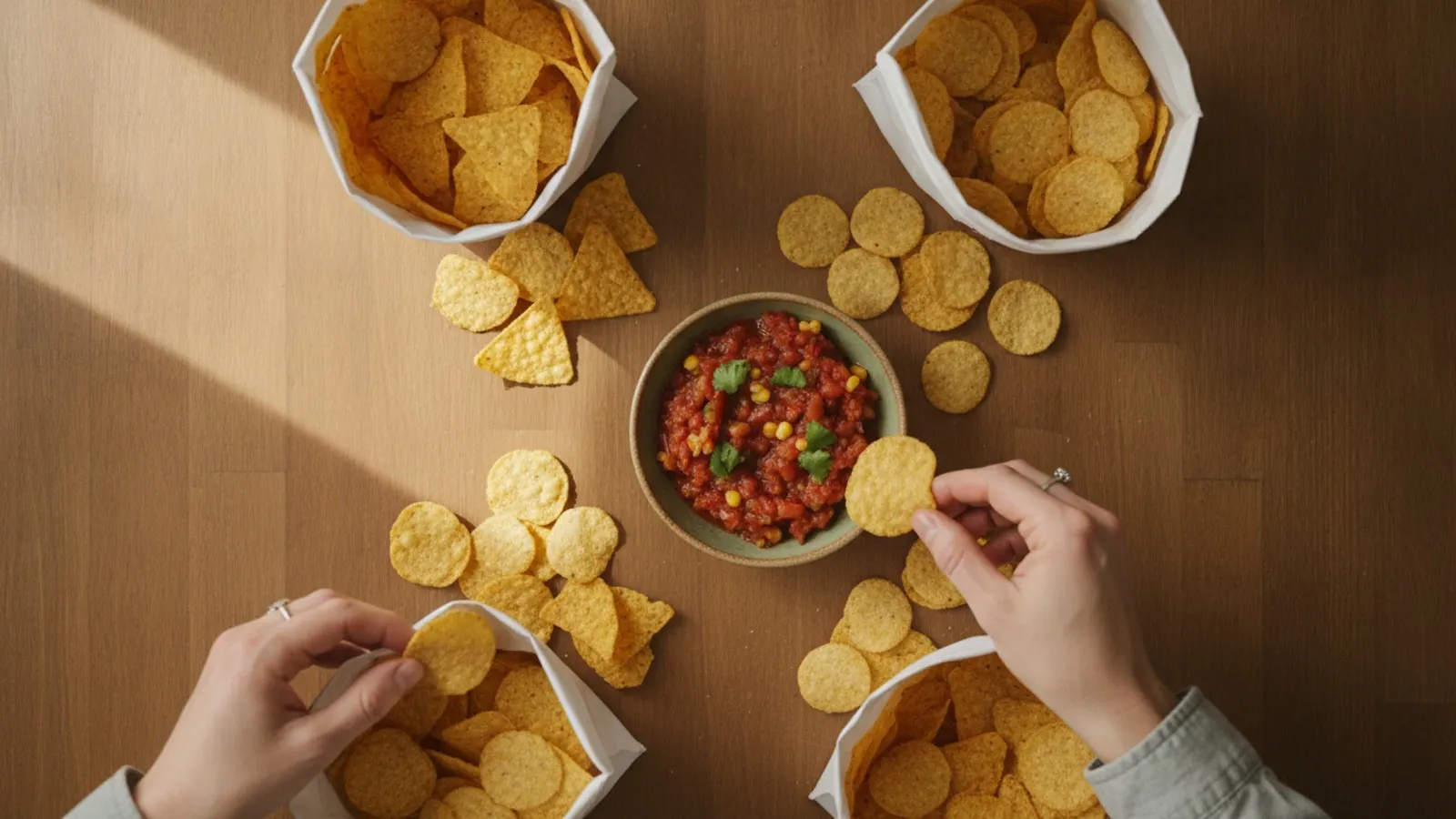
Best Soy Free Tortilla Chips: Brands You Can Actually Trust
I broke down the ingredient lists so you don't have to: here's exactly where soy hides in tortilla chips and which brands skip it entirely.
7 min read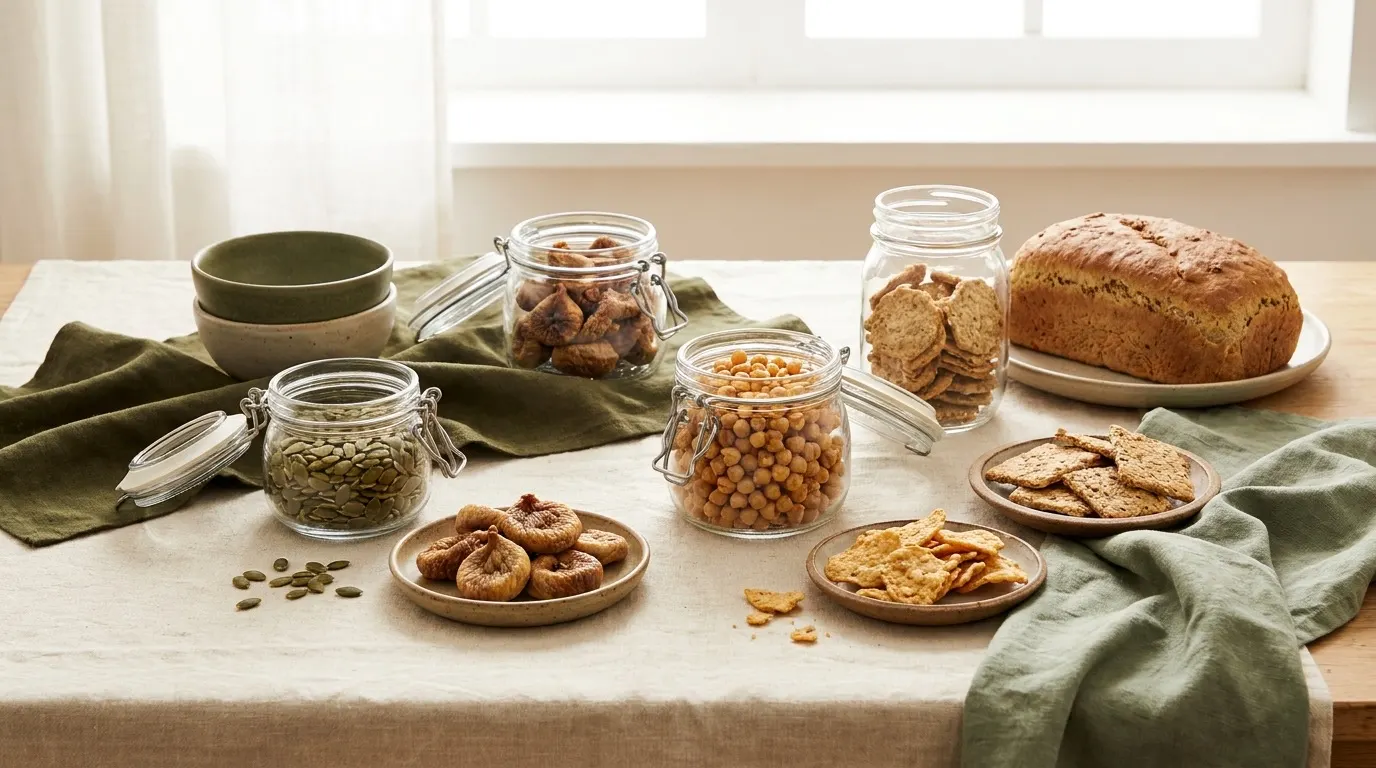
Sneaky Names for Soy: The Complete Hidden Ingredient List
Soy hides under more than 50 ingredient names, and even experienced label readers get caught off guard. Here's the complete, categorized list so you can spot every sneaky name for soy every time.
12 min read
Soy Free Chocolate Candy: Best Brands to Buy in 2026
Finding soy free chocolate candy that actually holds up to label scrutiny is harder than it sounds. Here are the brands worth buying in 2026, plus every hidden soy ingredient you need to know.
9 min read