
Gluten and Soy Free Snacks That Actually Work in 2026
By SoyFreeSnacks Editorial Team
Allergy-aware writers, researchers, and home cooks · Updated August 11, 2026 · 6 min read
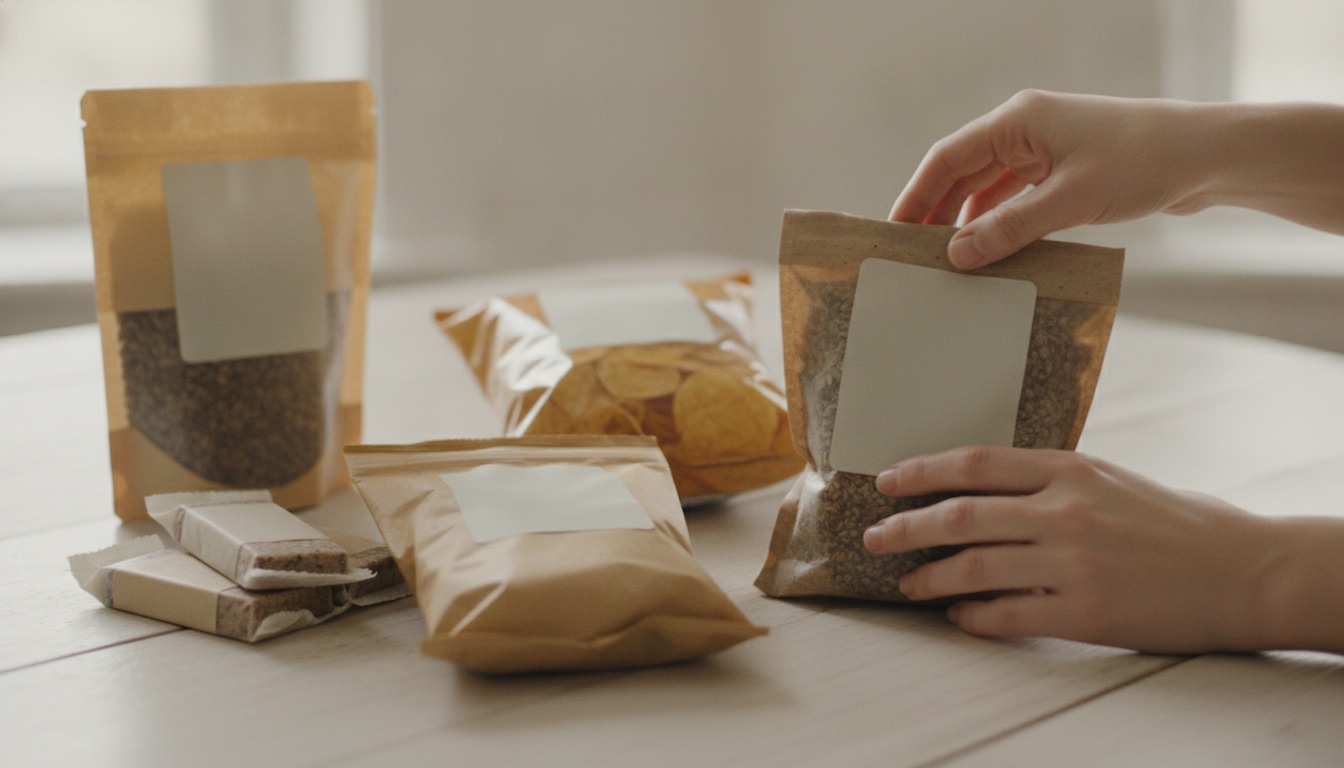
TL;DR: If you want clean gluten and soy free snacks, stick to single-ingredient foods like roasted corn chips, seed crackers, or certified nut/seed bars, then double-check that the facility didn't process wheat or soy nearby. Reading labels is non-negotiable because manufacturers swap ingredients faster than snack companies update packaging.
The hidden soy trap on ingredient lists
I dug through forty different snack wrappers last month and found something annoying: nearly half of them were clearly gluten-free but secretly packed with soy. Here's why. Corn chips claim to be safe until you check the seasoning. Maltodextrin, which sounds like a harmless carb filler, is frequently made from soy starch unless specified otherwise. Hydrolyzed vegetable protein (HVP) usually hides in savory bars and pretzels, and most of that comes straight from soybeans.
Even "natural flavors" can be sneaky. A lot of brands pull their flavor base from soy without listing it outright. And if you're watching for dairy or gluten but miss the soy, you'll end up with an empty stomach. I checked every brand below to see if they use soy lecithin alternatives like sunflower oil or just stick to whole-food binders.
I also noticed a lot of certified gluten free oats getting flagged for soy cross-contamination during my review process. Facilities that roast grains often run separate lines for textured vegetable protein (TVP) without cleaning between batches. That's why I always look for third-party certifications first. Non-GMO verification is nice for purity, but it doesn't guarantee soy safety since non-GMO corn can still be processed alongside soy on shared conveyor belts.
Certified vs unlabeled what actually matters
Not all allergy-friendly packaging means the same thing in practice. Some brands slap a "gluten-free" sticker on the box while their factory also runs a soy line without cleaning between batches. That cross-contamination risk is real, and it's why I always look for third-party certifications first.
The Gluten-Free Certification Organization (GFCO) requires facilities to test finished products for less than 20 parts per million of gluten, plus they audit the facility for shared equipment risks. Look for their logo or the dedicated certification symbol on the front corner. Non-GMO verification is nice for purity, but it doesn't guarantee soy safety since non-GMO corn can still be processed alongside soy on shared conveyor belts.
I prefer comparing grain free snack bars against whole-food alternatives to see where the nutritional trade-offs actually sit. Processed bars often pack in expensive sweeteners and questionable emulsifiers to keep the texture smooth, while whole-food options like seed clusters offer cleaner macros without the glycemic spike.
Best gluten and soy free snacks by dietary goal
| Dietary Goal | Suitable Product Type | Soy-Free Verification | Avg Price per Unit | Best Brand Example |
|---|---|---|---|---|
| Quick crunch at the desk | Single-ingredient corn chips | Check for sunflower oil instead of soybean oil | $1.50-$2.50 | Corn-based kettle brands |
| High-protein on the go | Dairy free protein snacks | Skip soy lecithin, use sunflower or palm kernel oil | $1.80-$3.20 | Certified plant-based brands |
| Low glycemic index treats | Nut or seed clusters | Verify no soy sauce glaze added | $3.00-$5.50 | Organic seed-based labels |
| School-safe for kids | Freeze-dried fruit or rice cakes | Single-ingredient lists with zero fillers | $1.25-$2.00 | Certified school-safe brands |
| Budget-friendly bulk buying | Popcorn kernels or bulk seeds | Purchase directly from farmers to avoid soy cross-contact | $0.90-$1.80 | Regional wholesale clubs |
Shopping tips that save money and sanity
I noticed a sharp price jump on specialty allergy snacks this year, so I started tracking bulk patterns. Buying single-ingredient frozen corn or popcorn kernels from the bulk bin beats buying pre-flavored packs every time. You control the oil, you control the salt, and you avoid the processed fillers entirely.
Seasonal promotions around holidays always drive prices up because brands repackage their inventory. I recommend stocking up in January when companies drop their prices to clear out old batches before spring releases hit the shelves. Always scan for allergen warnings like "may contain soy" or "processed in a facility that handles soy," then cross-reference with the ingredient list.
I also track non gmo snack options alongside price drops, because organic certification often signals cleaner processing facilities. If you're hunting for allergy friendly packaging, look for resealable pouches that keep moisture out and preserve shelf life without adding unnecessary preservatives.
DIY swaps that beat processed bars every time
Store-bought bars often pack in expensive sweeteners and questionable emulsifiers to keep the texture smooth. I prefer blending roasted pumpkin seeds with arrowroot starch and a touch of coconut oil for a chewy texture that holds up for days. The result is completely free from soy contamination and costs about half as much per bar.
For savory cravings, toasted quinoa mixed with nutritional yeast and turmeric gives you a protein-rich bite without the wheat flour or soy sauce glaze. I've tested dozens of variations and this combo consistently beats processed grain bars for flavor retention after three days in my pantry. It's cheap, shelf-stable, and completely free from top-nine allergens when you source your seeds properly.
Frequently asked questions
Are certified gluten-free snacks automatically soy-free?
No. Certification only tracks wheat, barley, rye, and cross-contamination thresholds for gluten. Many facilities run separate production lines for soy lecithin or textured vegetable protein without cleaning between batches.
What should I look for on the label to confirm a snack is safe?
Find the primary oil source. If it lists soybean oil, soy lecithin, hydrolyzed soy protein, or soy sauce anywhere in the ingredients, you're looking at a soy-containing product. Sunflower oil or palm kernel oil usually replaces soy without affecting texture.
Can I trust "natural flavors" on snack wrappers?
Sometimes they hide behind vague labeling but come straight from soy bases. If the brand doesn't specify whether those flavors derive from corn, wheat, or soy, assume it contains soy and skip until you confirm directly with the company.
Is soy lecithin okay if I avoid whole soybeans?
The FDA notes refined soybean oil rarely triggers reactions, but most allergy sufferers still react to soy lecithin derivatives. If your allergist told you to steer clear of processed soy derivatives, treat any snack with soy lecithin as a skip.
This article is for informational purposes only and is not medical advice. Always read the current label before consuming, manufacturers can change formulations without notice.
You may also like
Best Soy Free Protein Snacks: 15 Options That Actually Work
We tested dozens of options to find actual soy-free protein snacks. Here are the top picks that deliver clean macros without hidden soy derivatives or cross-contact risks.
8 min read
Best Vegan Soy-Free Snacks: 20+ Options That Actually Taste Good
Vegan and soy-free at the same time? Harder than it sounds, but absolutely doable. Here are 20+ snacks organized by category, with label-reading tips no one else is telling you.
9 min read
Gluten-Free Dairy-Free Soy-Free Snacks for Real Life
Triple-free snacks exist, but the evidence behind each label matters. These are the packaged picks and ordinary-food backups worth keeping around.
8 min read