
Gluten and Soy Free Protein Bars: The No-BS Guide
By SoyFreeSnacks Editorial Team
Allergy-aware writers, researchers, and home cooks · Updated June 26, 2026 · 7 min read
The Short Answer (TL;DR)
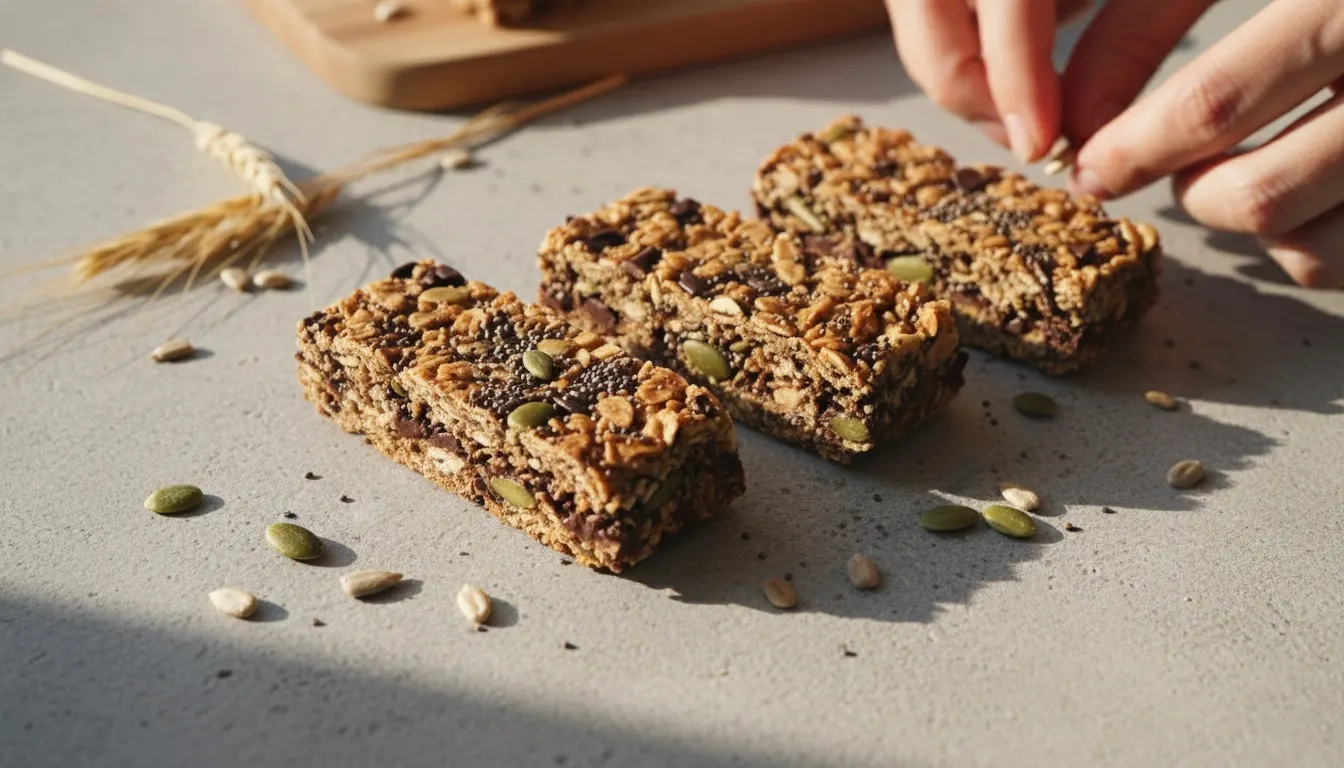
Gluten and soy free protein bars do exist, and some are genuinely good. If you are managing a soy allergy alongside a gluten restriction, your best bets right now are brands like ALOHA, No Cow, GoMacro, 88 Acres, and RXBAR. But finding reliable gluten and soy free protein bars takes more than trusting the front label. "Gluten-free" does not automatically mean soy-free, and soy hides in chocolate coatings, "natural flavors," and shared manufacturing lines more often than you would think. Always read the current label before you eat anything. Always.
This article is for informational purposes only and is not medical advice. If you have a soy allergy, work with an allergist before adding new products to your diet.
Why Finding Gluten and Soy Free Protein Bars Is Harder Than It Should Be
I get it. You are standing in a grocery aisle, flipping over bars, squinting at ingredient lists the size of a tweet, and wondering why a "healthy" protein bar contains twelve things you cannot pronounce. Managing a soy allergy on top of a gluten restriction feels like a part-time job. If you just want the shortlist, see our ranked soy-free protein bar picks.
The protein bar market is enormous, and most of it was not built with you in mind. The majority of bars use soy protein isolate or soy lecithin because it is cheap and functional. Add gluten from oats, wheat-based coatings, or malt into the mix and the field narrows fast.
But the field is not empty. Once you know what to look for in gluten and soy free protein bars, shopping gets a lot faster. Let me walk you through it.
The Hidden Soy Problem Nobody Talks About
This is the one that trips people up constantly. You check the protein source, it is pea protein or egg white protein, no soy listed. You feel good. You buy the bar. Then you get a reaction.
Here is what probably happened. Soy sneaks in through:
- Soy lecithin in chocolate coatings. Most chocolate-dipped or chocolate-chip bars use soy lecithin as an emulsifier. It is buried in the chocolate ingredients sub-list. Read every sub-list.
- Shared manufacturing equipment. A bar made in the same facility as soy-containing products can pick up enough protein to trigger a reaction. Look for "may contain soy" or "manufactured in a facility that also processes soy" warnings.
- "Natural flavors." This catch-all term can legally include soy-derived compounds. If the brand does not clarify, contact them directly and get it in writing.
- Vegetable glycerin or vegetable oil blends. Not always soy, but "vegetable" is vague enough to warrant a question. Verify directly with the brand and assume it contains soy until they confirm otherwise.
- Textured vegetable protein (TVP). This is soy. Full stop. Avoid it.
The FDA does have an exemption for highly refined soybean oil, treating it as non-allergenic for labeling purposes. If you have a soy allergy, avoid it anyway. The exemption exists for regulatory purposes, not because it is risk-free for every allergic person. Your allergist makes that call, not a label loophole.
Anything ambiguous? Verify directly with the brand. Assume it contains soy until they confirm otherwise.
Protein Sources: What's Actually in Your Bar?
Once you have ruled out soy protein, you are working with a handful of alternatives. Each has trade-offs worth knowing.
- Whey protein: Dairy-based, complete amino acid profile, digests relatively quickly. Great if you tolerate dairy. Not an option if you are also dairy-free.
- Pea protein: The most common plant-based soy substitute in allergen-free protein bars. High in lysine, easy to find, but can cause bloating in some people. More on that in a minute.
- Egg white protein: Complete protein, low fat, very bioavailable. RXBAR is the big name here. Not vegan, obviously.
- Brown rice protein: Often paired with pea protein to fill amino acid gaps. Mild flavor, easy on digestion.
- Hemp protein: Lower protein density per gram but comes with omega-3s. More of a whole-food bar ingredient than a high-protein one.
- Seed-based blends: 88 Acres uses sunflower seed and pumpkin seed protein. Lower protein per bar but very allergen-friendly and easy to digest. A solid pick if you are also avoiding nuts.
The crazy part? Most bars using pea protein taste better than they did five years ago. Formulations have improved. The chalky, beany aftertaste that made early plant-based protein bars almost uneatably bad has largely been engineered out by the better brands.
Top Gluten and Soy Free Protein Bar Brands Worth Knowing
I am not ranking these one through ten. Your priorities, whether that is protein count, taste, budget, or other restrictions, will determine which one wins for you. What I will do is tell you what each brand actually delivers.
And get this: formulations change. A product that was soy-free per last year's label may not be soy-free today. Always read the current label before consuming, no exceptions. The table below reflects current label information at time of writing and is not a substitute for checking the label in your hand right now.
| Brand | Protein Source | Approx. Protein per Bar | Gluten-Free Certified? | Dairy-Free? | Notes | Where to buy |
|---|---|---|---|---|---|---|
| ALOHA | Pea + brown rice protein | 14g | Yes | Yes | Soy-free per current label; verify chocolate flavor sub-lists before consuming | |
| No Cow | Pea + rice protein blend | 20g | Yes | Yes | Keto-friendly, low sugar; some flavors use erythritol, test carefully if you have GI sensitivity | Amazonopen_in_new |
| GoMacro | Pea protein, organic brown rice | 10-12g | Yes | Yes | Organic certified; lower protein density, more whole-food feel | Amazonopen_in_new |
| RXBAR | Egg white protein | 12g | Yes | Yes | Not vegan; very short ingredient list; verify any flavors containing chocolate chips for soy lecithin | Amazonopen_in_new |
| 88 Acres | Sunflower seed, pumpkin seed | 8-10g | Yes | Yes | Nut-free options available; lower protein but very clean label | Amazonopen_in_new |
| TRUBAR | Pea protein, cassava flour base | 12g | Yes | Yes | Dessert-inspired flavors; soy-free per current label; verify each flavor independently | |
| Larabar | Whole food ingredients, minimal protein | 4-5g | Yes | Yes | Not a high-protein bar; great for a snack, not a meal replacement | Amazonopen_in_new |
Scroll the table sideways for the rest of the columns
Cost Per Gram of Protein: Which Bars Are Actually Worth the Price?
Nobody in this space talks about this, and it drives me a little nuts. You are spending $2.50 to $3.50 per bar. That math adds up fast if you are eating one daily. So let us do the actual comparison.
At roughly $3.00 per bar, a No Cow bar with 20g of protein costs you about $0.15 per gram of protein. An ALOHA bar at the same price with 14g lands around $0.21 per gram. A Larabar at $1.80 with 5g of protein? $0.36 per gram. The whole-food options taste great but they are not efficient protein delivery vehicles.
If your goal is hitting a daily protein target on a budget, No Cow and BUILT (17g protein, around 130 calories per bar) give you the most protein per dollar among gluten and soy free protein bars in this category. If your goal is eating something that tastes like a real snack and happens to have some protein in it, GoMacro and Larabar are your friends.
Buying in bulk online, typically 12- or 24-bar boxes, usually drops the per-bar price by 15 to 25% compared to buying individually at a grocery store. Worth it if you have found a flavor you can actually eat every day without getting sick of it.
Digestive Tolerance: The Thing Every Review Skips
Here is a conversation no one in the protein bar review world wants to have: some of these bars will wreck your stomach, and it has nothing to do with soy or gluten.
The culprits are usually:
- Erythritol and other sugar alcohols. Common in keto-friendly bars like No Cow. For most people, a small amount is fine. For some, even 5g causes significant GI distress. If you have had issues with sugar-free gum or diet candy, test these bars carefully before committing to them daily.
- High pea protein loads. Pea protein is generally well-tolerated, but 20g or more from pea protein alone can cause bloating, especially if you are not used to it. Start with one bar a day and see how your body responds before making it a daily habit.
- Chicory root / inulin fiber. Added for fiber and prebiotic benefits, but it ferments in the gut and can cause serious gas and bloating in sensitive people. Check for it in the fiber source.
- Tapioca fiber. Similar story. Marketed as a clean sweetener, but it is a fermentable fiber that some digestive systems just do not love.
I checked through multiple Reddit threads on this, and the pattern is consistent: people who react to No Cow bars usually trace it to the erythritol or tapioca syrup, not the pea protein. Knowing that helps you troubleshoot without eliminating an otherwise solid product entirely.
How to Read a Label Like Someone Whose Health Depends on It
Because for you, it actually does. Whether you are shopping for yourself or your kid, this protocol works for any gluten and soy free protein bars you are evaluating.
- Start with the allergen statement at the bottom. Look for "contains: soy" or "may contain soy." If it says either, you are done. Put it back.
- Scan the protein source first. Is it pea, rice, egg white, whey, or hemp? If you see "soy protein," "soy protein isolate," or "soy protein concentrate," it is out.
- Read every chocolate sub-ingredient. If the bar has a chocolate coating, chips, or drizzle, find the sub-list for that component. Soy lecithin is extremely common here.
- Check the oil source. "Vegetable oil" is vague. If it is not specified as sunflower, coconut, or palm, contact the brand and assume it contains soy until they confirm otherwise.
- Look for "natural flavors" and decide your risk tolerance. If you have a severe soy allergy, contact the manufacturer to confirm the natural flavor source before eating.
- Check the manufacturing statement. "Made in a facility that also processes soy" is a real risk for people with serious allergies, not just a formality.
One more thing: always read the current label before consuming. Manufacturers can and do change formulations without announcing it. A bar you have eaten without issue for six months can quietly add soy lecithin in its next production run. Check every time. This applies to every product in the clean label protein bars space, not just the ones listed here.
This article is for informational purposes only and is not medical advice. If you have a soy allergy, work with an allergist to determine what products are appropriate for you.
FAQs
Are all gluten-free protein bars also soy-free?
No, and this is one of the most common misconceptions out there. Gluten-free certification only addresses gluten-containing grains. A bar can be certified gluten-free and still contain soy protein isolate, soy lecithin, or other soy derivatives. You need to check both restrictions independently on every label, every time.
What gluten and soy free protein bars work for someone with both a soy allergy and celiac disease?
No article can make that determination for your specific allergy. What I can tell you is that brands like ALOHA, No Cow, GoMacro, RXBAR, and 88 Acres are marketed as both gluten and soy free protein bars and carry gluten-free certification per their current labels. For celiac disease specifically, look for bars made in dedicated gluten-free facilities, not just those using gluten-free ingredients. Verify directly with the brand and with your allergist before adding anything new to your diet.
Can I trust "soy-free" claims on packaging?
With caveats. "Soy-free" is not a federally regulated certification the way "gluten-free" is, which requires under 20 ppm of gluten per FDA rules. A brand can print "soy-free" on a label without third-party verification. The most reliable approach: look for brands with third-party allergen certifications, contact the manufacturer to ask about shared equipment, and always read the full ingredient list rather than relying on front-of-pack claims alone. Assume it contains soy until you have confirmed otherwise.
Do any gluten and soy free protein bars taste good enough to eat every day?
Honestly, yes, some of them do. The formulations in 2026 are significantly better than they were even three or four years ago. No Cow's chocolate-flavored lines and TRUBAR's dessert-inspired bars have real fans who eat them daily without taste fatigue. That said, taste fatigue is real. Rotating between two or three flavors across different brands tends to work better than committing to one bar forever.
Is soy lecithin in a protein bar a problem for soy allergy?
Yes. Soy lecithin is derived from soybeans. If you have a soy allergy, avoid any product containing soy lecithin. The FDA has an exemption that classifies highly refined soybean oil as non-allergenic for labeling purposes, but that exemption does not apply to soy lecithin, which retains soy protein. Any product containing soy lecithin is not soy-free. Period. If you see it on a label, put the bar back.
You may also like
Best Allergen Free Protein Bars (2026): Soy-Free Picks
Allergen free protein bars skip the top eight major allergens, but hidden soy derivatives still hide on wrappers. Here's how to spot them and pick a bar that won't trigger your next reaction.
9 min read
Best Allergy Friendly Protein Bars (Soy-Free Picks)
Allergy friendly protein bars skip the top allergens like soy, nuts, and dairy. This guide breaks down the best soy-free picks, compares facilities, and shows you how to read hidden soy ingredients before you buy.
7 min read
Best Dairy and Soy Free Protein Bars (2026 Picks)
The best dairy and soy free protein bars include ALOHA, GoMacro, No Cow, Trubar, and 88 Acres. These skip whey and soy isolate for pea, rice, and seed proteins.
7 min read