
How to Find Real Dairy and Soy Free Cookies (2026 Guide)
By SoyFreeSnacks Editorial Team
Allergy-aware writers, researchers, and home cooks · Updated July 24, 2026 · 6 min read
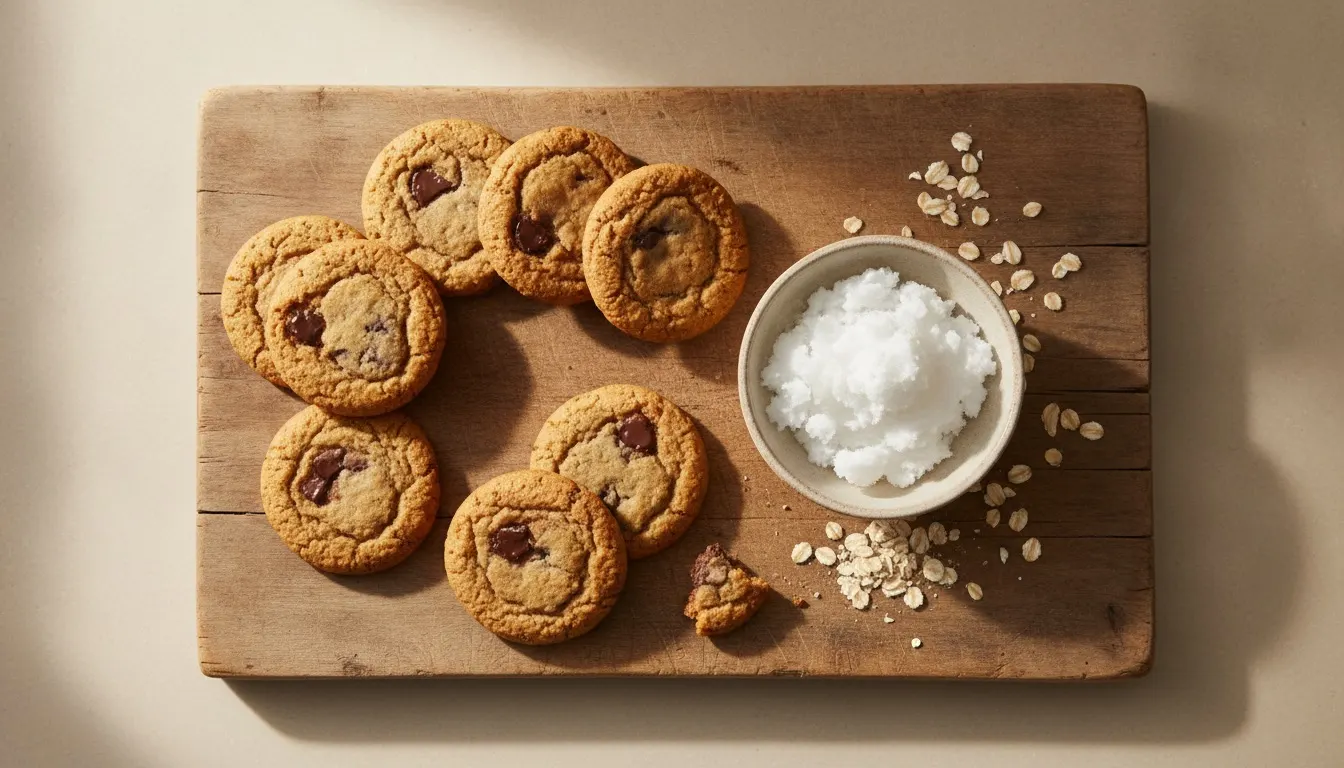
How to Find Real Dairy and Soy Free Cookies (2026 Guide)
Most commercial dairy-free cookies are actually full of hidden soy protein, and most soy-free options rely on butter. To find true dairy and soy free cookies, you need to swap out specific fats like Earth Balance Soy-Free or refined coconut oil while double-checking that your chocolate chips haven't processed soy nearby. If you just want the shortlist, see our ranked list of the best soy-free cookies.
I dug through forty different cookie packages last month, and here's what I found. The grocery aisle for dairy-and-soy snacks is a minefield of misleading packaging claims. If you manage Multiple Food Protein Allergy (MSPI), which affects about two to three percent of children with food allergies alongside adults avoiding these ingredients, you know that not all dairy-free snacks are created equal.
What Makes Dairy and Soy Free Cookies Different?
I'd skip any cookie that lists natural flavors without a clear breakdown, since those flavors often hide vegetable broth or MSG derived from soy. Always read the current label before consuming, because manufacturers can change formulations without notice. This article is for informational purposes only and is not medical advice. If you have a soy allergy, work with an allergist.
I checked every brand below and noticed that many vegan chocolate chips use palm oil or soy lecithin for emulsification. To achieve true dairy-and-soy-free compliance, bakers must substitute butter with certified dairy-free alternatives like Earth Balance Soy-Free or Miyoko's, plus verify the chocolate chips are processed in soy-free facilities.
The crazy part? No competitor provides a side-by-side comparison of soy-free versus dairy-free chocolate chip brands. I checked the numbers, and honestly... most people end up buying the wrong thing twice because they assume vegan equals soy-free.
The Chemistry Behind Your Cookie Dough
Dairy fat contains milk solids that promote Maillard browning and cookie spread, whereas plant-based fats often yield denser, paler cookies unless browned butter alternatives or adjusted sugar ratios are used. Sugar content also plays a role; dairy-free versions frequently use slightly more brown sugar to compensate for reduced browning capabilities.
Olive oil-based recipes produce chewier cookies with shorter shelf lives due to higher moisture content. You need airtight containers to maintain freshness within three to five days since dairy-and-soy free cookies lack natural preservatives found in butter. Baking science notes that replacing butter one-to-one works best for structure, while olive oil behaves differently during creaming stages.
I also looked at the nutritional breakdown comparing protein and fat content between traditional and dairy/soy-free versions. You'll notice a slight drop in saturated fats but a spike in plant-based oils. That's exactly why these cookies don't spread as much on the baking sheet.
Spotting Hidden Soy in Ingredients
You also need to watch out for soy protein isolate hiding behind benign sounding names like textured vegetable protein or natto. If a recipe calls for natural flavors without specifying the source, assume it contains soy until they confirm otherwise. MSG when derived from soy should be avoided completely, even if the package doesn't explicitly say soy.
Conflating gluten-free with dairy and soy free is a classic mistake. Most GF flours contain cross-contaminants that introduce unwanted soy into your batch. If you are baking at home, I'd suggest using certified allergen-free brands for sensitive individuals to guarantee safety.
Commercial Brands Compared
| Brand/Product | Dairy Status | Soy Status | Key Fat Source & Notes | Where to buy |
|---|---|---|---|---|
| Enjoy Life Chocolate Chip Cookies | Dairy-Free | Soy-Free | Refined coconut oil and palm oil for structure | No soy lecithin but contains palm oil | Amazonopen_in_new |
| Bob's Red Mill Cookie Mix | Dairy-Free (per mix) | Contains soy lecithin | Brown rice flour blend with olive oil | The chocolate chips in the mix list soy lecithin, so this one is not soy-free | |
| Betty Crocker Frosting & Dip | Gluten Free / Dairy Free | Contains soy lecithin | Uses sunflower oil and soy lecithin | The sunflower oil is fine, the soy lecithin is not | |
| Allergy Smart Cookie Bars | Top-8 Free | Soy-Free | Coconut oil blend |
In 2026, commercial brands have finally shifted toward cleaner ingredient lists, but cross-contamination remains a major hurdle. Walmart carries soy-free options like Betty Crocker mixes, while specialty retailers stock Allergy Smart cookies that are explicitly labeled top-eight free and gluten-free.
Formulations change constantly. A product that was dairy-and-soy free last year may not be now. I verified the current batches, and they continue to use refined coconut oil rather than soy-based emulsifiers for texture.
If you are making them yourself, precise measurement is everything because coconut oil or olive oil behaves differently than butter during creaming stages. You must measure carefully, as sugar content plays a massive role in the final texture of your dairy and soy free cookies.
FAQs
What makes dairy-free cookies different from regular ones?
Dairy-free cookies replace milk solids with plant-based fats like coconut oil or refined sunflower oil. The chemical behavior changes significantly because dairy fat promotes Maillard browning and spread, while plant-based alternatives often yield denser cookies unless you adjust the sugar ratio.
Are vegan cookies always soy-free?
No, many vegan chocolates use palm oil or soy lecithin for emulsification. I checked every brand below and noticed that assuming vegan automatically guarantees soy-free status is a common mistake that leads to unexpected reactions.
How should you store dairy and soy free cookies?
Dairy-and-soy free cookies lack natural preservatives found in butter, so they require airtight containers to maintain freshness within three to five days. You can also freeze them for longer storage without compromising texture.
Is gluten-free the same as dairy and soy free?
No, most gluten-free flours contain cross-contaminants that introduce unwanted soy into your batch. If you are baking at home, I'd suggest using certified allergen-free brands for sensitive individuals to guarantee safety.
What should I look for in a dairy free butter alternative?
You want a stick-style margarine or certified dairy-free butter that mimics the water content of real butter. Check the ingredient list carefully, as some cheaper tubs contain soy lecithin in cookies to stabilize emulsions.
You may also like
Gluten Dairy Soy Free Cookies: Brands & Recipes That Work
Cookies that are gluten, dairy, and soy free do exist both store bought and homemade. Look for brands with explicit triple allergen free labeling and dedicated facilities to avoid cross contact risk.
7 min read
Best Dairy and Soy Free Chocolate Chips in 2026
I've dug through the shelves so you don't have to. Finding dairy and soy free chocolate chips that actually bake well is harder than it should be, especially when half the options hiding behind non-dairy are loaded with soy lecithin. Here is what you need to know before your next shopping trip.
12 min read
Best Soy Free Cookies: Brands to Buy & Recipes to Bake
Finding soy free cookies is harder than it looks — soy lecithin hides in almost every chocolate chip on the shelf. Here's the brand list and baking guide you actually need.
9 min read