
Best Soy Free Granola Bars: Brands + DIY Options
By SoyFreeSnacks Editorial Team
Allergy-aware writers, researchers, and home cooks · Updated June 23, 2026 · 8 min read
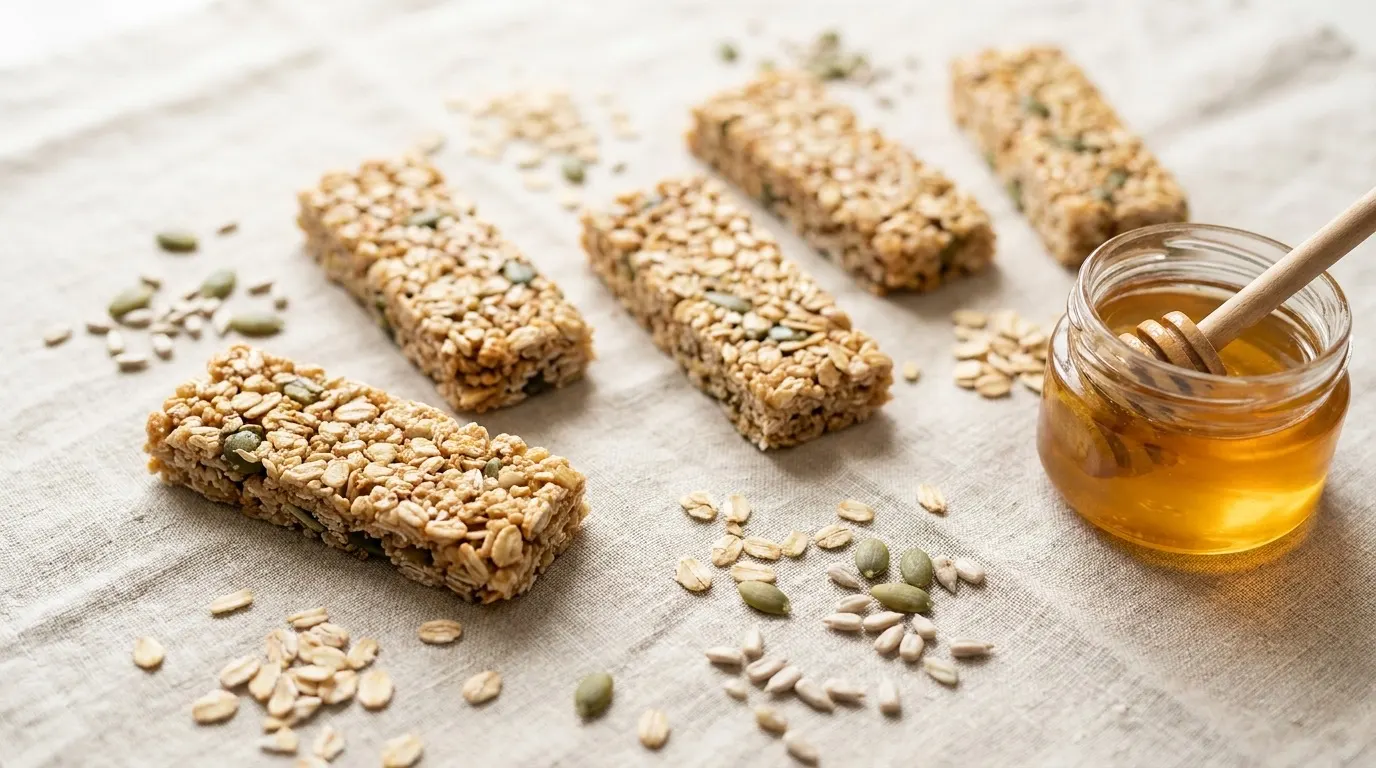
TL;DR: Several granola bars are made without soy, including 88 Acres seed-and-oat bars, Purely Elizabeth ancient grain bars, and Annie's Gluten Free Double Chocolate Chip bars. Always read the current label before buying, formulations change. If you have a severe soy allergy, contact the manufacturer directly about cross-contact risk before purchasing.
This article is for informational purposes only and is not medical advice. If you have a soy allergy, work with an allergist.
I'll be honest: hunting for soy free granola bars in a regular grocery store feels like defusing a bomb. You flip one over, see "soy lecithin" in the fine print, put it back. Flip the next one. "Soy protein isolate." Back on the shelf. It is exhausting, especially when you are a parent trying to pack a school snack in under four minutes. This article pulls together the verified store-bought picks, a quick no-bake recipe, and a plain-English label guide so you can stop squinting at ingredient panels and start snacking. If you want the best soy free granola bars without the guesswork, you are in the right place. If you just want the shortlist, see the best soy-free granola we've tested.
What Makes a Granola Bar Soy-Free (and Why It Is Trickier Than You Think)
A granola bar is soy-free when it contains zero soy-derived ingredients and, ideally, is produced in a facility that does not process soy. That second part matters a lot for anyone with a serious soy allergy.
The tricky part? Soy hides under a lot of names. The FDA requires soy to be declared on US food labels under the Food Allergen Labeling and Consumer Protection Act (FALCPA), which helps. But the declaration can appear buried in the ingredient list or in a "contains" statement, and it does not always flag cross-contact risk from shared equipment.
Hidden soy names to scan for on every label:
- Soy lecithin, an emulsifier used in coatings, chocolate chips, and binders. Very common in granola bars. Avoid it.
- Soy protein isolate, a protein booster found in many "high protein" bars. Avoid.
- Textured vegetable protein (TVP), almost always soy-based. Avoid.
- Hydrolyzed soy protein, a flavor enhancer. Avoid.
- Natural flavors, not always soy-derived, but they can be. Verify with the manufacturer if you need to be sure, and if you have a severe allergy, assume soy until confirmed otherwise.
- Vegetable broth or vegetable oil (unspecified), could include soy. Flag it and verify directly with the brand.
The crazy part? The FDA does allow refined soybean oil to be exempt from allergen labeling because the refining process removes most protein. But if you have a soy allergy, avoid refined soybean oil anyway. The exemption exists for regulatory purposes, not for your immune system.
Also worth knowing: there is a real difference between a bar labeled "soy-free" and one labeled "no soy added." Soy-free means the manufacturer is claiming no soy in the product. "No soy added" just means they did not add it intentionally, cross-contact from shared lines could still be a factor. Always look for "soy-free" explicitly, and contact the brand if cross-contact is a concern.
Best Store-Bought Soy Free Granola Bars Right Now
These are the brands with the strongest soy-free track records as of 2026. That said, formulations change without notice, so always read the current label before consuming, every single time. These are the soy free granola bars I would reach for first.
88 Acres Seed and Oat Bars
This is the gold standard for allergy-conscious snacking. 88 Acres produces their bars in an allergen-free facility, which means no soy, no nuts, no dairy in the building. They are school-safe, non-GMO, and clock in at around 5 grams of protein per bar, the highest of the store-bought picks here. They are available on Amazon and the 88 Acres website. If you are buying for a child with a severe soy allergy and need a school-safe bar, start here. Soy-free per the current label, but verify before every purchase.
Purely Elizabeth Ancient Grain Bars
Soy-free per the Spoonful app database and manufacturer allergen information. Gluten-free, made with ancient grains like quinoa and amaranth, and about 3 grams of protein per bar. You will find them at Target and Amazon. Verify the current label, Purely Elizabeth has expanded their product line and not every SKU carries the same allergen profile.
Annie's Homegrown Gluten Free Double Chocolate Chip Bars
A solid pick for kids who want something that tastes like a treat. Soy-free per Spoonful data, gluten-free, and widely available at Target and Amazon. Protein is lower at around 2 grams, but for a snack bar aimed at kids, that is typical. Check the label per box, Annie's has a broad product range and not every bar in the lineup is soy-free.
Cooper Street Granola Bakes
Nut-free, soy-free, and dairy-free per the Walmart product listing. These come in a bulk 48-count box, which is genuinely useful if you are packing school lunches five days a week. About 2 grams of protein per bar. Verify current label at point of purchase.
Kate's Real Food Organic Bars
Listed as soy-free at Walmart. Organic ingredients, whole-food focus. Worth checking out if you want a cleaner ingredient panel. As always, verify the current label before buying.
Are Nature Valley and Aloha Bars Soy Free?
These two come up constantly in searches, so let me answer them directly.
Nature Valley: Many Nature Valley bars contain soy protein or soy lecithin. General Mills, the parent company, lists allergen information by product on their website, but it varies by SKU and flavor. Do not assume any Nature Valley bar is soy-free. Check the General Mills allergen page for the specific flavor you are considering, and then verify the physical label in your hand, because formulations change. Until you have confirmed a specific bar is soy-free per the current label, avoid it.
Aloha Bars: Aloha bars use pea protein as their primary protein source in most flavors, which is soy-free. But protein source and ingredient lists vary by flavor, and some flavors may include ingredients that carry soy risk. Check the current label and the Aloha brand allergen page for the specific flavor before buying. Verify directly with the brand if you have a severe soy allergy, and assume it contains soy until they confirm otherwise.
Soy Free Granola Bar Comparison (2026)
Here is a quick side-by-side of the top soy free granola bars so you can make a fast call at the store or online.
| Brand / Bar | Key Allergen Claims | Protein (per bar) | Where to Buy | Notes |
|---|---|---|---|---|
| 88 Acres Seed and Oat Bar | Soy-free, nut-free, gluten-free, vegan | ~5g | Amazonopen_in_new Amazon, brand site | Allergen-free facility; school-safe. Verify current label. |
| Purely Elizabeth Ancient Grain Bar | Soy-free, gluten-free | ~3g | Amazon, Target | Verify current label; not all SKUs match. |
| Annie's GF Double Chocolate Chip | Soy-free, gluten-free | ~2g | Target, Amazon | Kid-friendly flavor. Verify current label. |
| Cooper Street Granola Bakes | Soy-free, nut-free, dairy-free | ~2g | Walmart | Bulk 48-ct available. Verify current label. |
| Kate's Real Food Organic Bar | Soy-free (per Walmart listing) | Varies | Walmart | Organic ingredients. Verify current label. |
| Homemade No-Bake (seed butter base) | Soy-free if all ingredients verified | Varies by recipe | DIY | Full ingredient control. Check each component. |
Always read the current label before purchasing. Manufacturer formulations change, and this table reflects information available in 2026. When in doubt, contact the brand directly.
Quick No-Bake Soy Free Granola Bars You Can Make at Home
Making your own soy free granola bars is genuinely easier than it sounds, and the cost difference is real: homemade bars run roughly $0.50 to $1.00 each once you have the base ingredients, versus $1.50 to $2.50 per bar at retail. If you are making them weekly for a family, that adds up fast.
Core ingredients (verify each one is soy-free at point of purchase):
- 2 cups rolled oats (certified gluten-free if needed)
- 1/2 cup sunflower seed butter or pumpkin seed butter (check label for soy additives)
- 1/3 cup honey or pure maple syrup
- 1/4 cup pumpkin seeds or sunflower seeds
- Soy-free mix-ins: dried cranberries, dairy-free chocolate chips (verify no soy lecithin), shredded coconut
5-step no-bake method:
- Verify your ingredients. Before you start, read the label on every single item. Seed butters, chocolate chips, and even oats can carry soy from shared facilities.
- Warm the binder. Gently heat the seed butter and honey (or maple syrup) in a small saucepan over low heat until smooth and combined. Do not boil.
- Mix everything together. Pour the warm binder over the oats, seeds, and mix-ins in a large bowl. Stir until everything is evenly coated.
- Press into a pan. Line an 8x8 inch baking pan with parchment paper. Press the mixture in firmly and evenly, the firmer you press, the better they hold together.
- Chill and cut. Refrigerate for at least 2 hours. Lift out the parchment, cut into bars, and store in an airtight container in the fridge for up to one week.
Yield: about 10-12 bars. Prep time: 15 minutes active, 2 hours chilling. For full recipe inspiration, check out Oh She Glows and Go Dairy Free, both have excellent multi-allergen-free bar recipes worth bookmarking.
Store-Bought vs. DIY: Cost and Convenience Breakdown
Here is the honest trade-off. Store-bought soy free snack bars like 88 Acres cost roughly $2.00 to $2.50 per bar. A batch of 12 homemade no-bake bars might cost $8 to $10 in ingredients, landing you at under $1.00 each. Over a month of daily snacking, that is a meaningful difference.
But DIY has its own overhead. You need to source and verify every ingredient separately, which takes time upfront. If your schedule is slammed, a verified store-bought bar from 88 Acres is worth every cent of the premium. If you have a Sunday afternoon and a kid with a severe soy allergy who needs school-safe snacks five days a week, the homemade route gives you control that no retail label can fully match.
And get this: the DIY route also lets you dial up the protein. Add hemp seeds or extra pumpkin seeds to push the protein content toward 6 to 8 grams per bar, which most store-bought allergen free granola bars cannot match.
Tips for Parents Buying Soy Free Bars for Kids
If you are buying for a child with a soy allergy, the stakes are higher and the due diligence needs to match. A few things I would not skip:
- Look for "allergen-free facility" labeling. "Soy-free" on the label is good. "Produced in a dedicated allergen-free facility" is better. 88 Acres explicitly markets this, which is why it tops most soy-free lists for school use.
- Call or email the manufacturer if your child has anaphylactic history. Seriously. A 10-minute email to a brand's allergen team is worth it. Ask specifically about cross-contact risk on their production lines.
- Check school policies. Many schools have nut-free requirements. Some also have broader allergen policies. A bar that is soy-free but made in a nut facility may still be flagged.
- Rotate and re-verify. Formulations change. A bar that was soy-free per the label last school year may not be now. Build a habit of checking the label on every new box, not just the first time you buy a product.
- Always verify with your child's allergist before introducing any new packaged food into their regular rotation.
Reminder: ingredient formulations change. Always verify the current label before consuming, and contact the brand directly if your child has a severe or anaphylactic soy allergy. Cross-contact risk varies by manufacturer and facility.
FAQs
Are there any protein bars that do not have soy?
Yes. Soy is a common protein source in bars, but it is not the only one. 88 Acres Seed and Oat Bars use seed-based protein and deliver around 5 grams per bar with no soy. When shopping for no soy protein bars, scan the ingredient list for soy protein isolate and soy protein concentrate specifically, these are the most common culprits in "high protein" bar formulations. Pea protein, hemp protein, and seed-based proteins are the cleanest soy-free alternatives.
Are Nature Valley bars soy free?
Many Nature Valley bars contain soy lecithin or soy protein. The specific allergen profile varies by SKU and flavor. Check the General Mills allergen information page for the exact product you are considering, and then verify the physical label on the box in your hand. Do not assume any Nature Valley bar is soy-free without checking the current label for that specific flavor.
Do Aloha bars have soy in them?
It depends on the flavor. Most Aloha bars use pea protein, which is soy-free per current labeling, but ingredient lists vary across their product line. Check the current label and the Aloha brand allergen documentation for the specific flavor before buying. Verify directly with the brand if you have a severe soy allergy, and assume it contains soy until they confirm otherwise.
What snacks do not have soy in them?
Plenty of whole-food snacks are naturally soy-free: plain nuts and seeds (sunflower, pumpkin), fresh fruit, plain rice cakes, most plain vegetables, and seed-based bars like 88 Acres. For packaged snacks, soy free oat bars, plain popcorn without added flavoring, and verified soy-free dried fruit are solid go-tos. The further you stay from processed foods with long ingredient lists, the easier it is to avoid hidden soy.
What is the healthiest granola bar to eat?
For someone avoiding soy, "healthiest" depends on your goals. If you want high protein, 88 Acres leads the pack at around 5 grams. If you want low sugar and whole ingredients, look for bars with oats, seeds, and honey or maple syrup as the primary sweetener. Shorter ingredient lists generally mean less processing. Purely Elizabeth and Cooper Street Granola Bakes both score well on whole-ingredient formulations. Verify the current label on any bar you choose.
Can I make soy free granola bars at home?
Absolutely, and it is easier than most people expect. The no-bake method in this article takes about 15 minutes of active prep. The key step most people skip: verify the soy-free status of every single ingredient before you start, including the seed butter, oats, and any chocolate chips or mix-ins. Shared-facility cross-contact can sneak into even the most innocent-looking ingredient.
What hidden ingredients contain soy in granola bars?
The most common hidden soy sources in granola bars are soy lecithin (used as an emulsifier, especially in chocolate coatings), soy protein isolate (added for protein content), textured vegetable protein (TVP, used as a filler), and hydrolyzed soy protein (a flavor enhancer). Natural flavors are not always soy-derived, but they can be. Contact the manufacturer to confirm before consuming. If a bar lists "vegetable oil" without specifying the source, flag it and verify directly with the brand. When in doubt, assume it contains soy until they confirm otherwise.
This article is for informational purposes only and is not medical advice. Always read the current label before consuming. Ingredient formulations change, and a product that was soy-free per the label last year may not be now. If you have a soy allergy, work with an allergist before making any dietary changes.
You may also like

Best allergy friendly granola bars (Soy-Free Picks)
We tested dozens of snacks to find genuinely allergy friendly granola bars that skip hidden soy. Here is exactly what to look for on labels and why cross-contact matters.
8 min read
Soy Free White Chocolate: Best Bars, Chips & Brands
Most white chocolate is loaded with soy lecithin — but soy free white chocolate absolutely exists. Here are the bars, chips, and brands worth buying, plus the label-reading tricks that keep you safe.
8 min read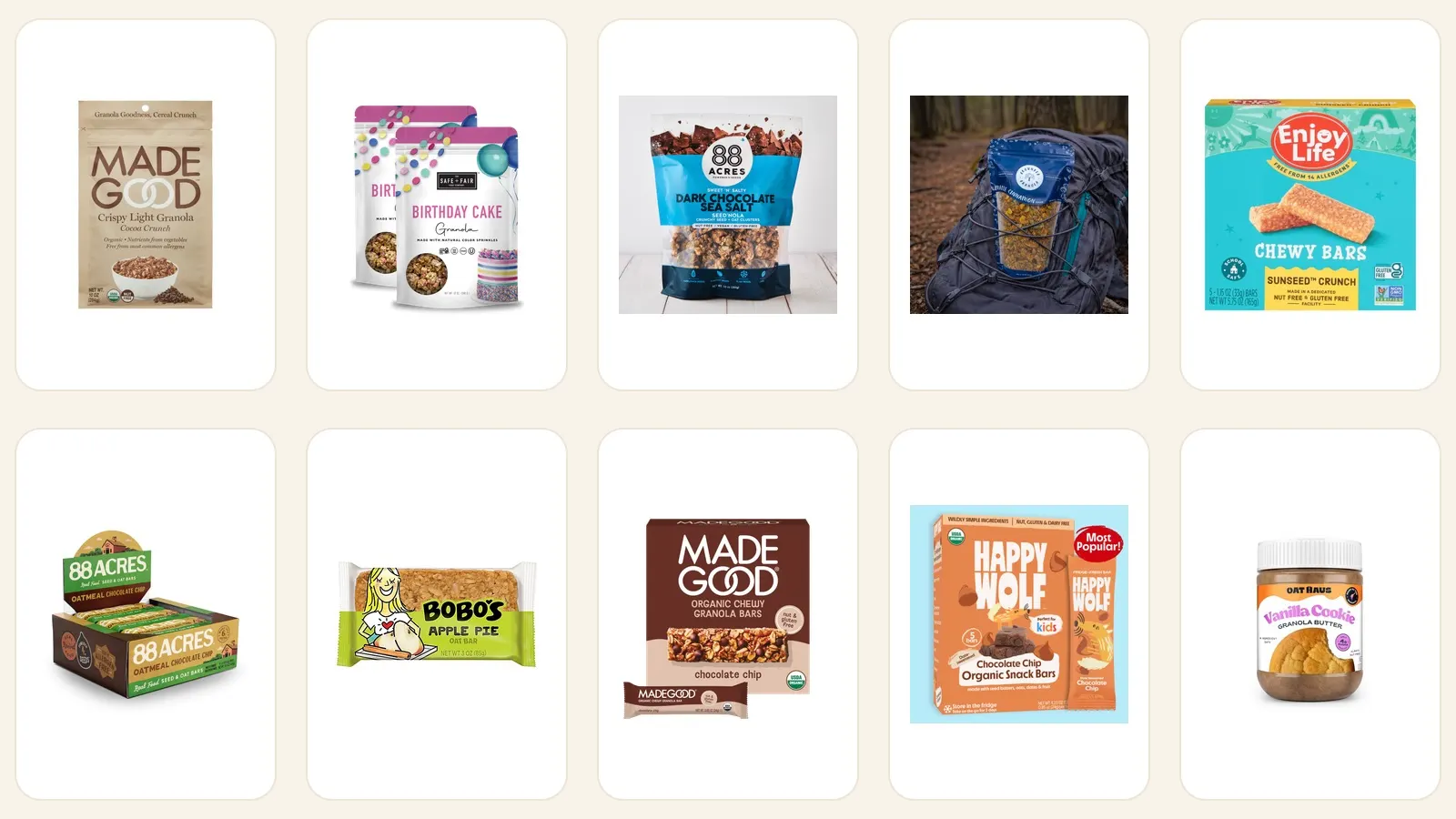
The 10 Best Soy-Free Granola & Granola Bars (2026)
Label-verified soy-free granola and granola bars — no soybean oil, no soy lecithin. Clusters, bars, and even granola butter.
6 min read